

UAE Schools Say Educational Trips Foster Independence and Confidence, While Parents Raise Concerns Over Rising Costs.
For many families in the UAE, overseas school trips offer children valuable opportunities to explore new cultures, develop life skills and gain experiences beyond the classroom. However, for others, these excursions represent another significant financial commitment on top of already substantial education expenses.
With some international school trips costing more than Dh15,000 per student, parents are increasingly questioning whether the educational benefits justify the price.
Private schools across the UAE offer a growing variety of excursions, ranging from skiing holidays and cultural exchange programmes to science-focused tours, community service projects and residential adventure camps.
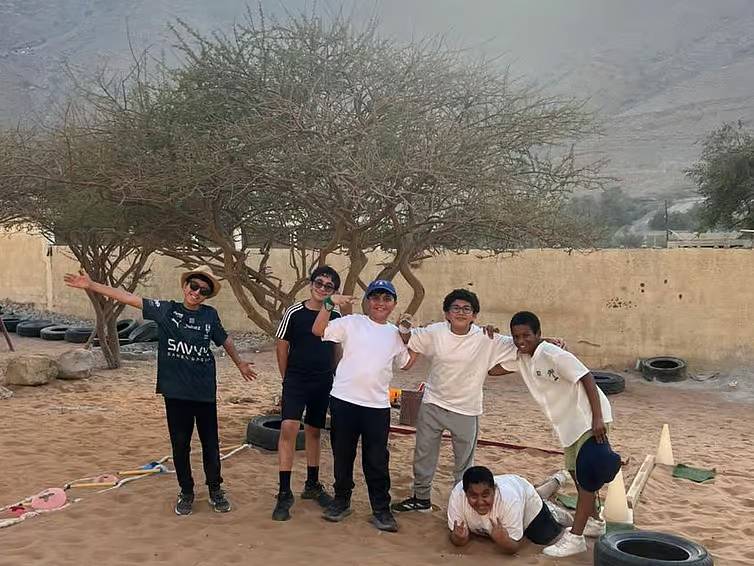
Domestic trips to destinations such as Fujairah, Ras Al Khaimah and Al Ain typically cost between Dh2,000 and Dh2,500 per student for a three-day, two-night programme. These excursions often include activities such as hiking, camping and scuba diving.
Schools maintain that such experiences help students develop confidence, independence, resilience and teamwork — skills that may be difficult to cultivate through classroom learning alone.
However, parents remain divided, with some questioning whether the advantages outweigh the financial burden, especially for households already managing tuition fees and other school-related expenses.
Parents Raise Concerns Over Rising Costs and Peer Pressure
Dubai-based American expatriate Natalia Miranda is among the parents who believe expensive international school trips are not always necessary.
“I’m not in favour of these trips,” she told Khaleej Times, noting that overseas school excursions are generally less common for children below the age of 16 in the United States.
Miranda explained that families already face considerable expenses associated with school fees, extracurricular activities, local excursions and special school events.
Adding costly international travel to these commitments, she believes, can place unnecessary pressure on household budgets.
She also highlighted the emotional impact on children whose families cannot afford such experiences.
When classmates discuss upcoming overseas adventures, children who are unable to participate may feel excluded, leaving parents in the difficult position of explaining their financial decisions.
“Trips involving skiing in Switzerland or community projects in Sri Lanka may be beyond some families’ budgets particularly those with two or three children”, she said, adding that she would prefer to travel with her child to other destinations and contribute to charitable initiatives closer to home.
Miranda also suggested that schools could use these trips as an opportunity to teach students financial responsibility.
Drawing on practices in the United States, she explained that students often participate in fundraising activities to help cover the cost of school excursions.
In the US, she said, “students may organise bake sales or car washes to contribute towards expenses, while parents in the UAE are often expected to cover the entire cost.”
She believes involving children in fundraising could encourage them to understand budgeting, appreciate the value of money and take greater responsibility for their experiences.
Another parent, Arijit Nandi, whose son is 10 years old, expressed similar concerns about the financial and social pressures associated with school excursions.
He said children often want to participate simply because their friends are attending, making it difficult for parents to refuse.
“In such situations parents feel compelled to give in. But I don’t see what concrete learning comes out of a two-night stay in Ras Al Khaimah or Al Ain. Moreover, these trips can be expensive, costing around Dh2,500.”
Dh15,000 Japan Trip Helps Student Gain Independence
While some parents question the costs, others believe international school trips can provide life-changing experiences.
Moldovan expatriate Elena Popescu, a mother of one, considers the Dh15,000 she spent on her daughter Inga’s school trip to Japan last year a worthwhile investment.
According to Popescu, the journey helped her daughter become more independent, confident and comfortable handling everyday situations without parental supervision.
“She came back more independent, confident and curious. She and her friend even managed to go grocery shopping on their own. They learned more in a week than they could have in a semester,” Popescu said.
For the family, the greatest benefit was not simply visiting Japan but seeing Inga navigate unfamiliar surroundings, make decisions and manage responsibilities independently.
“My daughter is in secondary school, and she returned with a completely different perspective. As parents, we were proud to see her handle things independently, from managing her time to keeping track of her budget,” she said.
Popescu believes these practical experiences helped her daughter develop skills that traditional classroom lessons might not have provided in the same way.
Schools Say Residential Trips Build Confidence and Life Skills
Educators argue that residential camps and international excursions play an important role in students’ personal development.
Adam Drake, Assistant Head KS4 at Repton Dubai, explained that school trips are designed to encourage independence, build confidence and create memorable learning experiences.
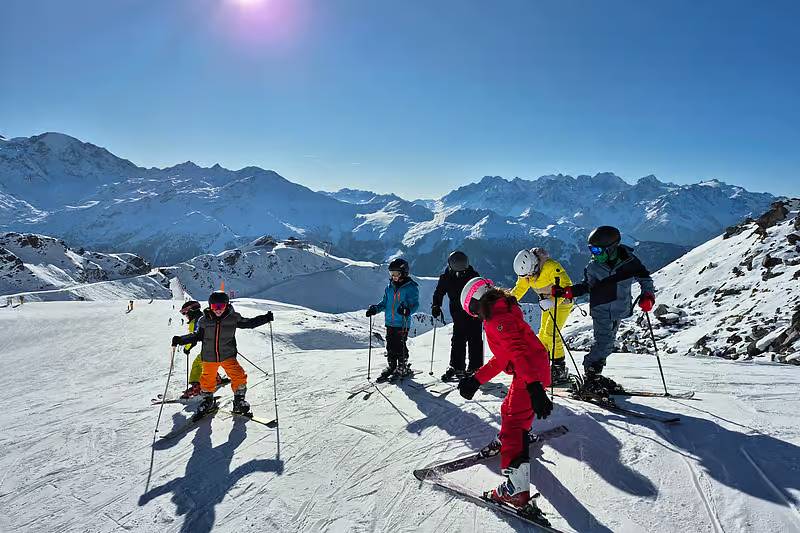
For younger students, spending several nights away from their parents can represent an important developmental milestone.
During these excursions, children must learn to organise their belongings, manage their schedules, make decisions and cooperate with classmates in unfamiliar environments.
“We see residential trips as much more than simply an opportunity to travel. They are an important part of helping children grow in confidence and independence, while giving them experiences and memories that they will carry with them for many years,” Drake said.
From Oman Adventures to European Cultural Tours
Repton Dubai offers students a variety of residential and international programmes tailored to different age groups and interests.
These include a four-day cultural and nature excursion to Oman, alongside overseas experiences focused on sports, science, sustainability, art and community engagement.
International options include football training and cultural activities in Madrid, skiing in Austria, STEM-focused learning experiences in Singapore, and art and architecture tours in Rome and Florence.
Other UAE schools also arrange educational programmes in destinations such as Kenya, Sri Lanka, Bali in Indonesia and Thailand.
Some of these trips involve sustainability initiatives and community service projects, where students work alongside local communities.
Depending on the programme, participants may assist with classroom construction or support educational activities for local children.
Schools say such initiatives are intended to broaden students’ perspectives while encouraging teamwork, empathy and social responsibility.
Schools Aim to Offer Trips for Different Budgets
Recognising that families have varying financial circumstances, Drake said schools should provide a broad selection of educational experiences at different price points.
He explained that not every student has the same interests, and not all parents are comfortable making substantial financial commitments for school travel.
“The breadth of these opportunities is something we are particularly proud of. Not every student wants the same experience, and not every family wants the same level of financial commitment,” he said.
“Our aim is therefore to provide a wide range of experiences, at different ages and different price points, while ensuring that every student has the opportunity to learn, develop independence and create memories with their friends.”
How Do Schools Measure the Benefits of Educational Trips?
For schools across the UAE, organising educational trips involves more than providing students with enjoyable experiences outside the classroom. The primary objective is to ensure that children develop practical skills, confidence and independence that continue to benefit them after returning to school.
Educators say the impact of residential camps and international excursions varies depending on each student’s personality, abilities and previous experiences.
Céline Dwyer, Academy Assistant Principal at GEMS Wellington Academy – Silicon Oasis (WSO), explained that schools must consider individual development when evaluating the success of these programmes.
“These outcomes will look different for every child. For one student, staying away from home for the first time may be a significant achievement. For another, the challenge may be stepping into a leadership role or learning to trust others within a team. Understanding each student’s starting point is therefore essential when measuring growth,” said Dwyer.
Schools typically assess these outcomes through teacher observations, student reflections and changes in behaviour following the trip.
“During residential experiences, staff observe how students respond to challenges, support their peers and manage their own responsibilities. After the trip, students reflect on their experiences and identify moments where they demonstrated resilience, teamwork or leadership.”
Teachers may notice students becoming more confident, participating more actively in classroom discussions or demonstrating stronger teamwork skills.
Feedback from parents also plays an important role in identifying whether improvements in independence and responsibility continue at home.
More Than 200 Students Join Duke of Edinburgh’s Award Programme
At GEMS Wellington Academy – Silicon Oasis, more than 200 students have registered for the Duke of Edinburgh’s Award programme this year.
The internationally recognised programme encourages secondary school students to develop independence, resilience and teamwork through activities such as hiking, camping and expeditions.
Participants can progress through Bronze, Silver and Gold levels, with each stage offering opportunities to build practical skills and take on greater personal responsibility.
Schools view these experiences as a way to encourage students to overcome challenges, collaborate with peers and become more self-reliant.
Field Trips Help Students Apply Classroom Knowledge
Nicholas Radbourne, Deputy Head at Royal Grammar School Guildford Dubai, highlighted the importance of connecting educational excursions with academic learning.
He explained that field trips can give students opportunities to apply theoretical knowledge in real-world situations, particularly in subjects such as Physical Education and Geography.
“Field trips that complement PE and Geography coursework allow students to apply and showcase their learning both inside and outside the classroom,” he said.
The school’s programme includes residential experiences within the UAE, skiing trips to Switzerland and Austria for junior and senior students, and educational visits to Bali, Italy, France and Greece.
Students can also participate in the Duke of Edinburgh’s Award programme, which focuses on personal development through practical challenges and outdoor activities.
Radbourne explained that schools assess the effectiveness of these experiences by examining student engagement, practical application of knowledge and post-trip reflections.
“We assess the impact of these experiences through students’ participation, their ability to apply knowledge and skills in practical situations, and reflection on their experiences once they return to school.”
He emphasised that the ultimate aim is to ensure that the educational value of these trips extends beyond the journey itself, contributing to students’ academic progress and personal growth.
Residential Camps Encourage Independence and Leadership
At Swiss International Scientific School Dubai, students can participate in residential experiences at destinations including Kalba, Sir Bani Yas Island, Oman and Longbeach.
The programmes are designed for different age groups, with activities tailored to students’ developmental needs and abilities.
Alysha Clements, Assistant Head of Secondary (Student Experience), explained that even short residential trips can help children become noticeably more independent.
“One of the biggest benefits of residential trips is seeing how much students grow in just a few days. We want our students to become more independent, whether that is managing their own belongings, being responsible for getting themselves ready on time, or making decisions without always relying on a member of school staff,” she said.
According to Clements, these experiences encourage students to take responsibility for everyday tasks that they might normally depend on parents or teachers to manage.
Group activities also help pupils develop communication, cooperation and problem-solving skills by working alongside classmates they may not regularly interact with.
After returning to school, teachers assess whether students demonstrate greater confidence, establish new friendships or show increased willingness to accept leadership responsibilities.
These observations help schools determine whether residential experiences have contributed to meaningful personal development.
Why Outdoor Learning Can Make a Difference
For many students, some of the most meaningful learning experiences take place beyond the classroom, where they can apply their knowledge in unfamiliar environments and tackle real-world challenges.
Michelle Thomas, Principal and CEO of GEMS Al Barsha National School, highlighted the importance of residential camps in helping children develop practical skills, confidence and problem-solving abilities.
She explained that outdoor activities allow students to put classroom lessons into practice while learning to make decisions, work collaboratively and take responsibility for their actions.
“The camp also gives children a safe way to apply their skills in real situations. Reading a map, solving a problem as a group or making a decision with real consequences means far more on a mountainside than on a worksheet,” she said.
According to Thomas, the school deliberately organises its residential camp at the beginning of the academic year to help students establish friendships, build mutual trust and develop stronger relationships with their classmates.
These early experiences encourage cooperation and create a sense of belonging that can positively influence students throughout the school year.
“The trust and sense of teamwork built at camp carries through the whole year, including when it comes to resilience during exams,” she said.
Thomas emphasised that the benefits of residential camps extend beyond outdoor adventures, helping students develop resilience, strengthen social connections and approach academic challenges with greater confidence

