

Abu Dhabi residents share smart budgeting tips, from prepaid cards to combining discounts, to enjoy life while spending less.
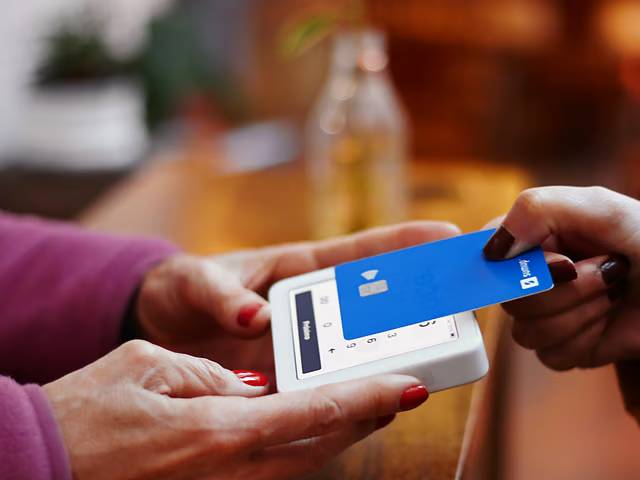
Keeping your spending under control in Abu Dhabi can sometimes feel like visiting a lavish Friday brunch and ordering nothing but a salad. It’s possible, of course, but it takes serious willpower, and hardly anyone believes you actually did it.
Money has a way of disappearing faster than expected (and this writer can certainly relate, sigh). What begins as a quick visit to Dalma Mall or Abu Dhabi Mall can easily turn into a three-hour shopping adventure, ending with an oversized Lego set, a handful of adorable Miniso collectibles for your niece, and perhaps a few little treats for yourself.
Then come the school holidays, bringing expensive activity camps and entertainment plans. And let’s not forget those innocent-sounding words, “Just one more food delivery,” which have probably ruined more monthly budgets than anyone would care to admit.
Yet, speak to Abu Dhabi residents who have mastered the art of managing their finances, and a different story emerges. They’re still enjoying restaurant outings, planning holidays and indulging in occasional shopping sprees, all while managing to put money aside at the end of each month.
Their secret isn’t necessarily earning more or giving up everything they enjoy. It’s about building smart spending habits, making thoughtful choices and following budgeting strategies that actually work.
So, how exactly are they making it happen?

Don’t build your budget around your highest-earning month
For Ellaine Fatima, juggling multiple professional roles is part of everyday life. She works as a content creator, makeup artist and branding consultant at Creative Media Authority, but her income isn’t always predictable.
Her biggest piece of financial advice? Never plan your expenses around your most profitable month, particularly if you’re self-employed.
“Just because you’ve had a fantastic month financially doesn’t mean the next month will look the same,” she says.
Having spent 37 years in Abu Dhabi, Ellaine has witnessed how living expenses have evolved. As a freelancer, she has also experienced the highs and lows of seasonal income. Those experiences have taught her an important lesson: Avoid taking on long-term financial obligations based on short-term earnings.
One expense she refuses to compromise on is her health.
“As someone who’s self-employed, I don’t have the luxury of paid sick leave,” she explains.
For that reason, healthcare appointments, medicines and activities that help her stay physically fit take priority in her monthly spending.
“There’s no point working so hard if you’re constantly compromising your health. Sometimes taking care of yourself is the best investment you can make.”
Running her own business also comes with unavoidable expenses, including equipment, software subscriptions, licensing fees and savings to cover slower periods.
To stay financially organised, Ellaine carefully monitors her income and expenses, paying particular attention to recurring charges and subscriptions that can quietly accumulate over time.
When it comes to leisure, she generally earmarks around Dh2,000 each month for entertainment and social activities. However, because her earnings vary, she treats this amount as a flexible target rather than a fixed allowance.
Once essential expenses are covered, she uses the remaining money to enjoy restaurant outings and spend time with friends.
“You don’t necessarily have to spend a fortune to enjoy Abu Dhabi,” she says. “Sometimes it’s about finding the right places or hidden gems.”
One of her most effective money-saving changes has been cutting back on impulse shopping.
She hasn’t stopped treating herself entirely. Instead, she focuses on purchases that genuinely improve her life or bring lasting satisfaction.
“It’s funny,” she says, “because sometimes spending less actually makes you appreciate what you already have a lot more.”
One card, better control over family spending
For Dior Ezdine, founder and consultant at The Signature Room and a mother of two children aged five and seven, managing household expenses comes down to one simple tool: a dedicated digital payment card.
Every month, her family of four transfers a fixed amount onto a separate card to cover everyday expenses, including groceries, petrol, food deliveries, entertainment and restaurant visits. Once the allocated balance is exhausted, discretionary spending stops.
“We can actually see what we spend when the amount is separated in a different card,” she explains. “And we quickly assess where it is worth spending our budget every week.”
Beyond encouraging financial discipline, the system gives the family a clearer understanding of where their money goes each month and which expenses are taking up the largest share.
This becomes particularly useful when spending patterns change throughout the year.
During a typical month, the family spends approximately Dh800 on entertainment. However, during school holidays, when activity camps and day passes enter the picture, that amount can rise to Dh2,000.
When it comes to shopping, Dior follows a straightforward household policy she calls the “Double S” rule: Second-hand or Sales.
The rule applies to everyone in the family, including the parents. Rather than paying full price, they take advantage of Abu Dhabi’s seasonal promotions to purchase clothing, household appliances and back-to-school essentials.
Education is another major expense. After rent, school fees account for one of the family’s largest financial commitments.
Dior points out that the overall cost depends on the school chosen and whether additional services, such as school transport, are required.
Her approach is to settle each trimester’s fees upfront, preventing education expenses from affecting the family’s regular monthly budget.
Another important part of her savings strategy is a discount application that costs Dh600 annually and provides offers of up to approximately 50%.
The family uses it to book restaurant meals, beauty services and hotel stays, generating savings of more than Dh5,000 each year. That money is then put towards family holidays.
For Dior, the decision often comes down to one question: “Do I really need to spend full price money for this?”
More often than not, her answer is no.
Make room for enjoyment, then maximise the discounts
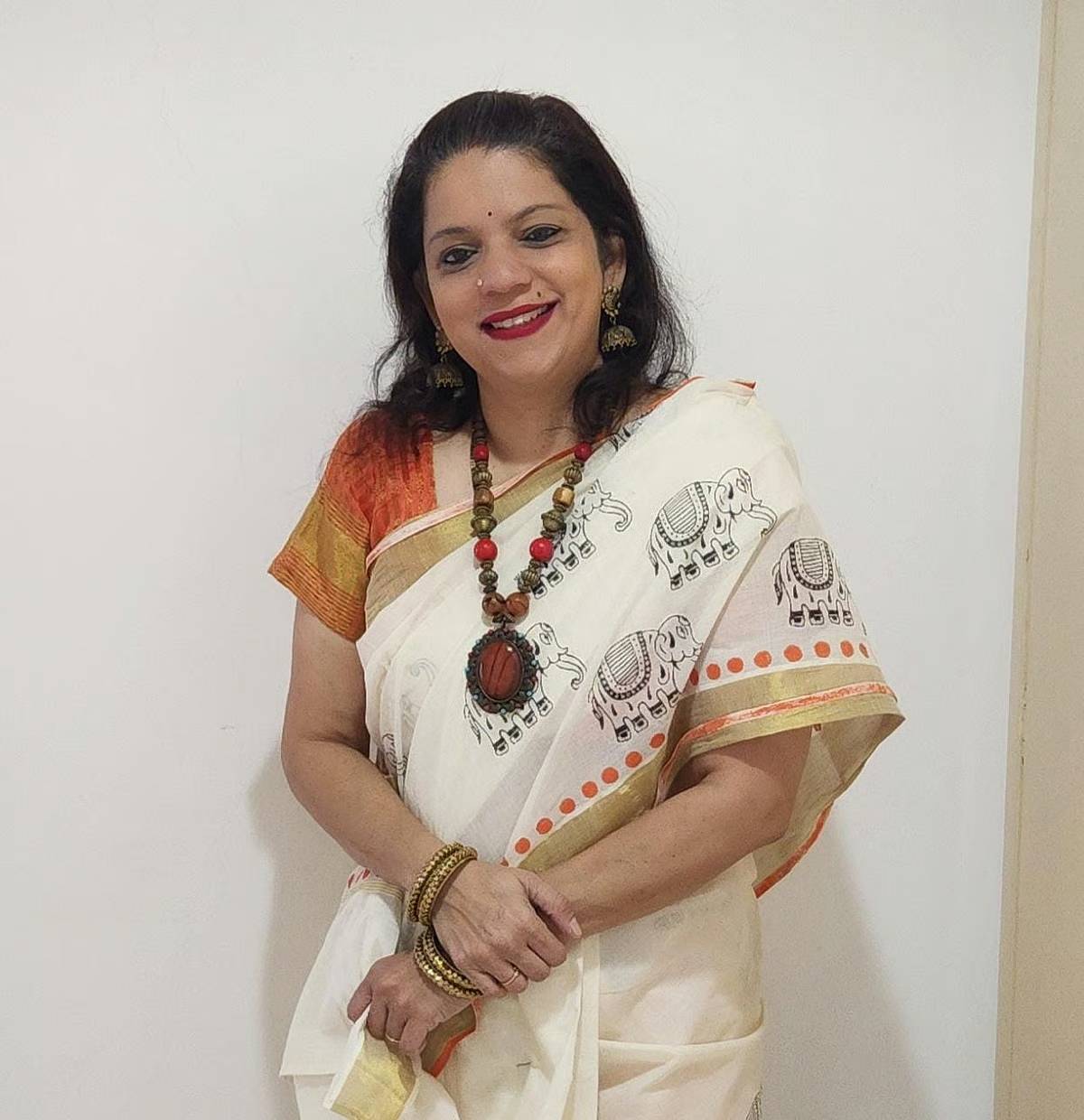
“We have no pressure to keep up with the Joneses,” says Abu Dhabi resident Urmila Santosh.
Unlike conventional budgeting strategies that focus heavily on cutting non-essential expenses, Urmila believes in setting aside money for the activities her family genuinely enjoys.
Dining out is one of those priorities. Her household regularly visits casual restaurants, so eating out is included as a planned expense rather than treated as an occasional financial indulgence.
“Since costs can add up quickly, we budget for that and plan accordingly,” she explains.
Another advantage is that impulse buying is not a common habit in her household.
The family’s total discretionary spending, covering everything from restaurant meals to leisure activities, remains below Dh1,000 per month.
Urmila considers even that amount relatively generous, describing it as “on the higher side.”
After rent, groceries and household essentials account for the largest share of Urmila’s expenses. To keep these costs under control, she follows two different shopping strategies.
She purchases non-perishable products in bulk to take advantage of better prices, while fresh groceries, including vegetables, baked goods and dairy products, are bought from whichever retailer offers the most attractive deals that week.
But Urmila’s biggest money-saving trick is combining multiple discounts and rewards rather than depending on just one loyalty programme.
She regularly switches between Fazaa, The Entertainer and dining promotions available through Talabat and Careem, making the most of offers available throughout the year.
To stretch her savings further, she also earns credit card reward points and participates in retail loyalty programmes, allowing her to benefit from additional discounts and incentives on everyday purchases.
Save first, spend later
For Abishek Hemraj, a finance professional with more than 15 years of experience who is currently developing his own luxury brand, financial security begins with a simple principle: Pay yourself before paying anyone else.
Instead of waiting until the end of the month to save whatever remains, Abishek transfers money into savings and investments as soon as his salary arrives, even when his monthly budget is tight.
“I’m building a cushion for my future, and I’ve seen how hard life gets for people who start saving late,” he explains. “It gives me options.”
For him, financial stability means having the freedom to explore new opportunities and enjoy meaningful time with his toddler without constantly worrying about future expenses.
It’s a lesson he strongly encourages younger people to adopt early in their working lives.
His budgeting strategy follows the widely used 50/30/20 rule, which divides take-home income into three categories:
- 50% for essential expenses: Housing, groceries, utilities, transport and other necessities.
- 30% for personal spending: Restaurant outings, holidays, hobbies, entertainment and subscriptions.
- 20% for savings and investments: Money set aside to build long-term financial security.
“It’s simple enough for a 20-year-old to start with and flexible enough to adjust as life changes,” he says.
Abishek believes budgeting should not mean eliminating everything enjoyable from life. Instead, allocating a fixed amount for leisure allows people to spend confidently while staying within their financial limits.
“A set limit means you can spend without guilt, and that’s how budgeting sticks.”
For essential expenses, he takes a longer-term approach. Rather than evaluating grocery bills, utility payments, transport and insurance costs solely on a monthly basis, he sets an annual spending target.
If expenses exceed the planned amount in one month, he adjusts spending in subsequent months to keep the overall yearly budget balanced.
Having grown up in the UAE, Abishek understands how easily the country’s dining and entertainment options can encourage unnecessary spending.
“There are endless choices, and Friday dinner out was almost automatic,” he recalls, particularly when discount vouchers made restaurant visits seem more affordable.
Today, his family follows a dedicated dining-out budget and makes a conscious effort to stay within it.
Special celebrations are still part of their lifestyle, but they are treated as occasional expenses rather than regular spending habits.
The real luxury is staying in control of your finances
Four households, four different approaches to managing money. There’s the freelancer who bases her budget on quieter months rather than peak earnings, the family that keeps everyday spending in check with a dedicated prepaid card, the savvy shopper who combines discounts to avoid paying full price, and the finance professional who prioritises savings before anything else.
Despite their different strategies, they share one important philosophy: Living well isn’t about spending more, but about making smarter financial choices.
Ellaine, who has witnessed Abu Dhabi’s transformation over nearly four decades, sums it up perfectly.
“You can enjoy a really good quality of life here without constantly keeping up with everyone else’s lifestyle,” she says. “It’s about understanding what you can afford, knowing your priorities, and finding a balance that works for you.”
After all, Abu Dhabi’s tempting brunches, seasonal sales, discount offers and exciting new restaurant openings aren’t going anywhere.
The real secret is enjoying what the city has to offer without allowing those experiences to drain your bank account. Because ultimately, the best luxury is having the freedom to enjoy today while remaining financially secure for tomorrow.

