

Exploring timeless art, cultural heritage and peaceful surroundings at Louvre Abu Dhabi.
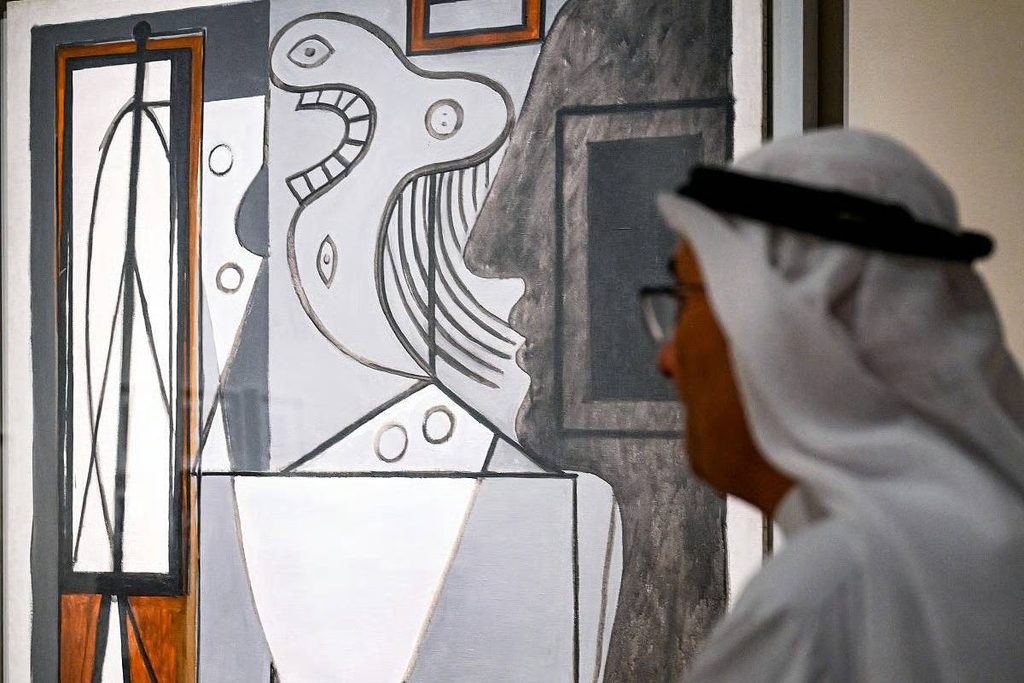
Abu Dhabi: Ahmed Jamal Omar Alyafai had only planned to take a five-minute break. After spending hours exploring the museum with a friend, his feet were aching. He spotted a bench in a peaceful gallery, surrounded by large paintings that seemed to have escaped the attention of other visitors.
He decided to sit for a while.
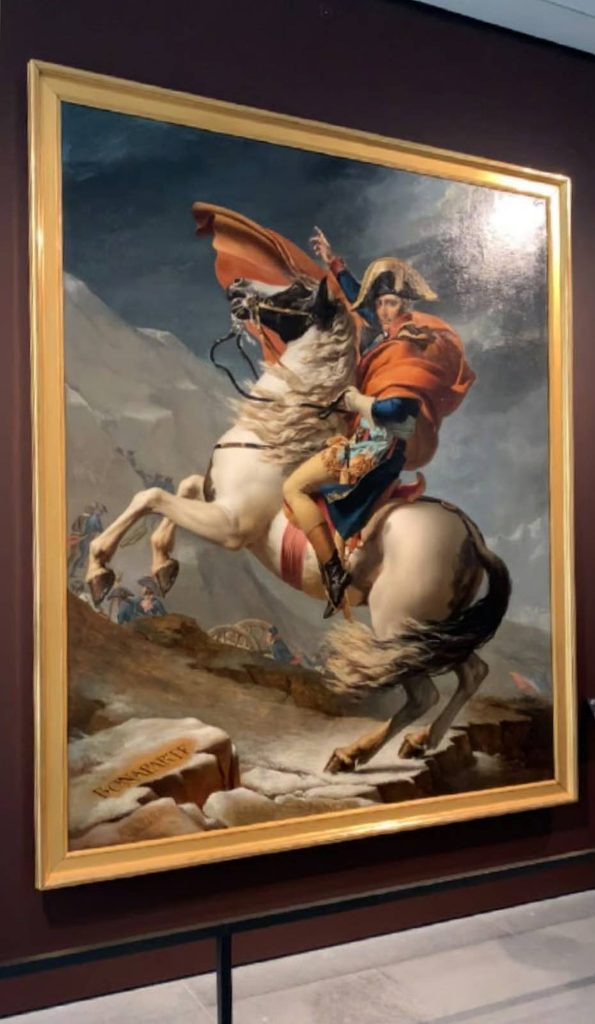
But five minutes soon turned into 25. Captivated by a single painting, he found himself examining every detail, almost imagining the world from the artist’s perspective.
At 23, Ahmed is a motorcycle enthusiast who readily admits that museums aren’t usually his favourite places to visit.
Yet something about Louvre Abu Dhabi continues to draw him back. He returns roughly once a year, intrigued by the changing artworks and exhibitions that make each visit feel like a new experience.
Returning to where the journey began
The story of Louvre Abu Dhabi began on March 6, 2007, when France and the United Arab Emirates signed a landmark intergovernmental agreement to establish the Arab world’s first universal museum.
The ambitious partnership brought one of the world’s most recognisable museum names to the UAE, with a vision to showcase artworks from across the globe, spanning ancient civilisations to contemporary times. Each piece would be selected for its historical, cultural and social significance.
Bringing this vision to life required extensive international collaboration. Thirteen French public cultural institutions joined forces under Agence France-Muséums, including the Louvre, Centre Pompidou, Palace of Versailles, Musée d’Orsay, Musée Rodin and Bibliothèque Nationale de France.
The next challenge was creating a home worthy of such an extraordinary collection.
Renowned French architect and Pritzker Prize winner Jean Nouvel found his inspiration in the natural surroundings of Saadiyat Island, where the desert landscape meets the sea.
Rather than drawing inspiration from conventional museum architecture, Nouvel envisioned a space shaped by the island’s unique relationship between water, sand, sunlight and shade.
What visitors can discover inside
Stepping into Louvre Abu Dhabi offers a different way of experiencing art and history.
Instead of organising exhibits according to geography or nationality, the museum takes visitors on a journey through time, bringing together artworks from different cultures and civilisations around shared historical periods and universal themes.
This approach encourages visitors to discover unexpected connections between societies that might initially appear worlds apart.
The museum’s collection includes approximately 700 artworks and groups of artworks, covering human history from prehistoric times to the modern era.
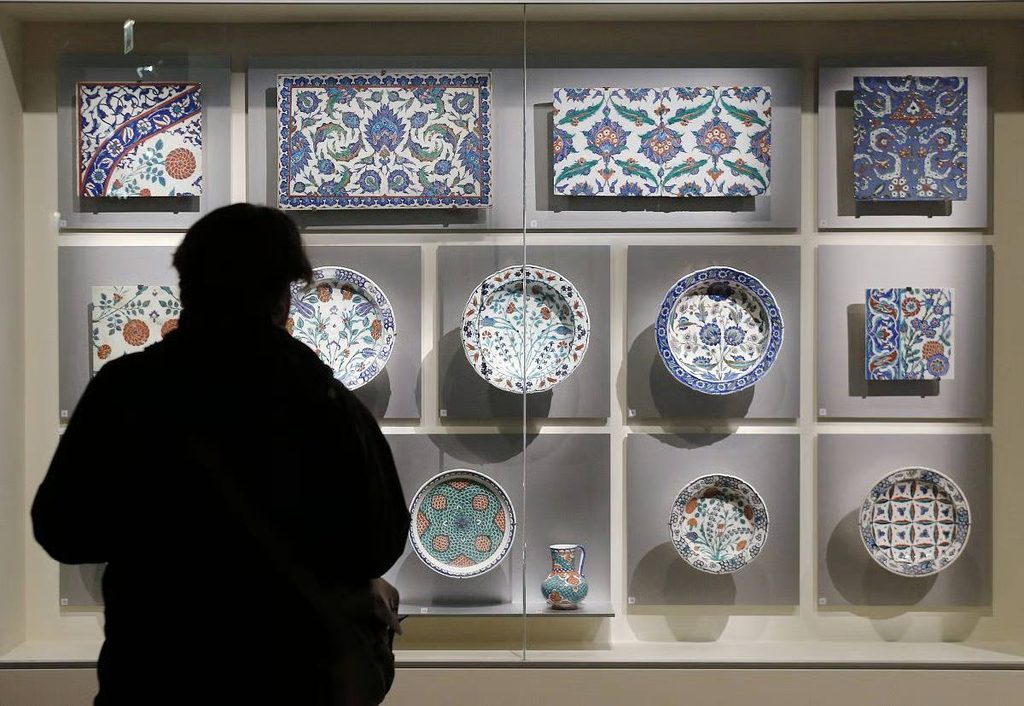
Around 300 additional works are borrowed from French partner institutions, while the Louvre contributes 100 different masterpieces each year.
With exhibitions and displays regularly changing, visitors can encounter something new each time they return.
For Ahmed Jamal Omar Alyafai, that sense of discovery is one of the reasons he continues visiting.
“It is not the same art every time you go,” says the 23-year-old, who first visited the museum at around 15 years old, in 2018 or 2019, and has returned approximately five times since.
Despite his appreciation for the museum, Ahmed doesn’t consider himself a traditional art enthusiast.
“I am more of an outdoorsy person: motorcycles, bikes, racing.”
What appeals to him most is the calm atmosphere, offering a welcome break from his otherwise active lifestyle.

“Sometimes I just need some quiet, and that place generally gave me the peace I was looking for.”
During his most recent visit, Ahmed was introducing a friend to the museum for the first time.
After spending hours exploring the galleries, he came across a solitary bench in a nearly deserted room. Around him were several large paintings that most visitors appeared to pass without much attention.
“I wanted to sit for five minutes. I ended up sitting there for a good 25 minutes, just looking at the same painting,” Ahmed recalls. “I felt like I was experiencing what the painter was experiencing while he was doing it.”
Another aspect that continues to impress him is the museum’s ability to maintain a peaceful atmosphere despite attracting large numbers of visitors.
Although organised tour groups regularly move through the galleries, Ahmed believes the museum manages visitor flow exceptionally well.
“They always manage it perfectly,” he says, explaining that those looking for a quiet moment can usually enjoy the artworks without interruption.
For him, walking through the galleries feels like travelling across different periods of history. Some exhibition spaces focus on a single significant artefact, allowing visitors to appreciate its story and importance.
He is particularly drawn to the Islamic manuscripts and the diverse artworks brought to Abu Dhabi from international collections, including masterpieces from the Louvre in Paris.
A museum that holds a special place in her heart
For 25-year-old Nabaa Al Ahmad, Louvre Abu Dhabi represents more than an opportunity to explore world-class art. It is closely connected to her earliest memories of living in the UAE.
Nabaa moved to the country in early 2024, and the museum was among the first attractions she explored after arriving.
“It has a special place in my heart,” she says. “It was one of the first things I did here, and it was a wild experience.”
What left a lasting impression was the way the museum’s remarkable collection blended with Abu Dhabi’s cultural identity and surroundings.
“To be able to connect this kind of art with Abu Dhabi, it shows how much the country and the city care about showing that there is an incredible atmosphere for culture and for cultures,” she explains.
For Nabaa, the museum reflects the UAE’s commitment to celebrating artistic expression and bringing different cultural traditions together in one place.
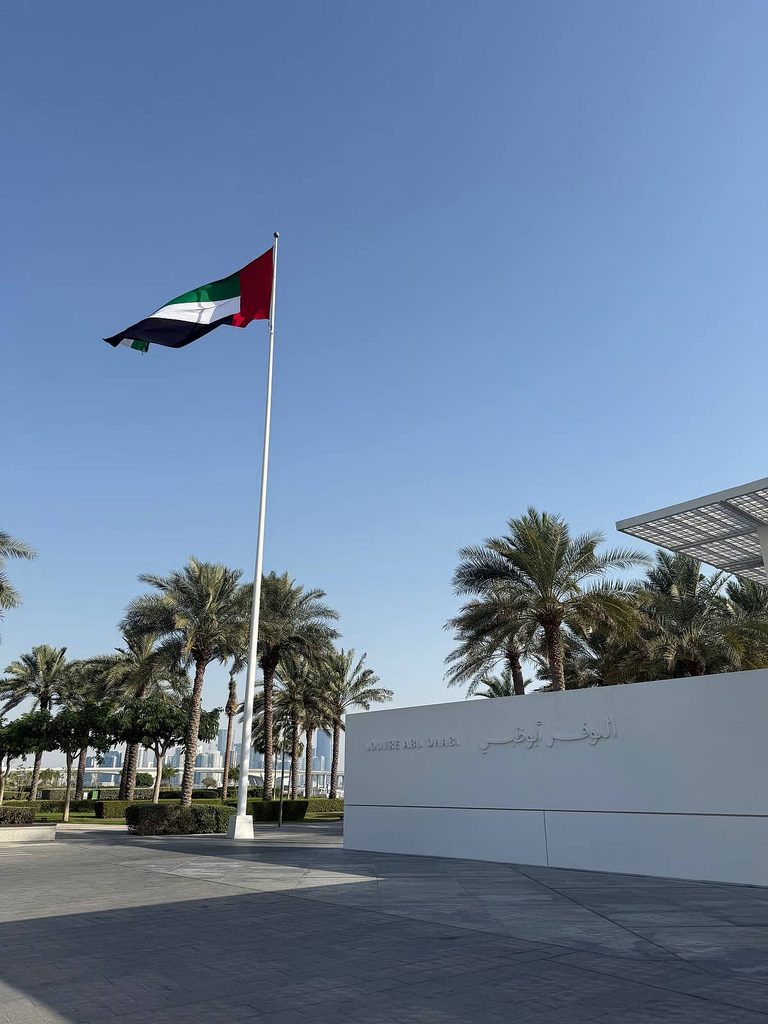
“There is art in every possible form, for people of every taste.”
The floating dome: An architectural masterpiece
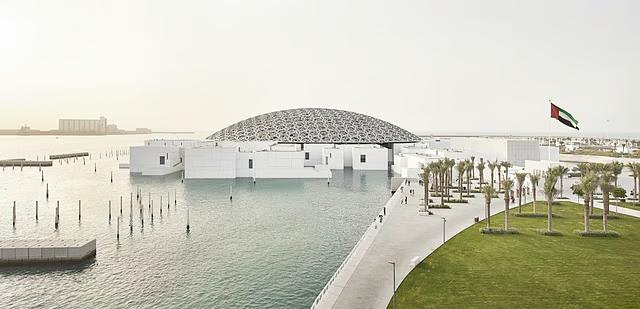
One of Louvre Abu Dhabi’s most striking features is its magnificent dome, which appears to hover effortlessly above the museum complex.
Visible to visitors approaching from both land and sea, the enormous silver structure creates the illusion of floating over a collection of buildings resembling a small city.
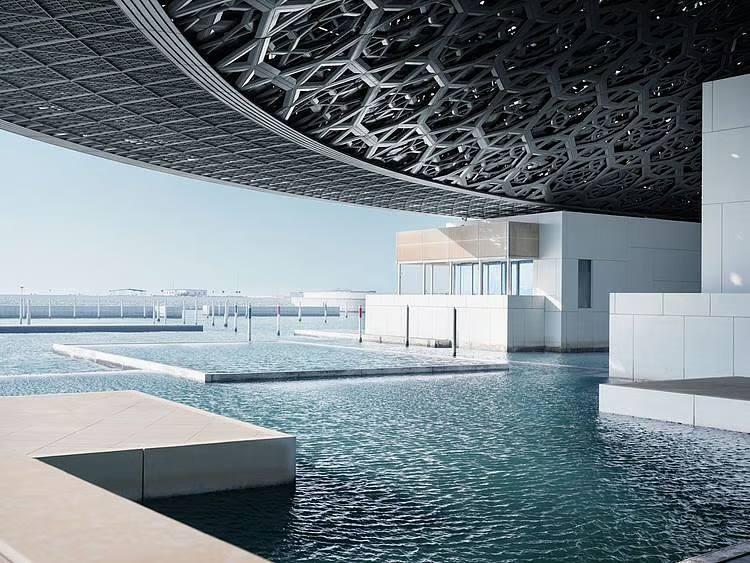
But the real magic unfolds beneath it, where sunlight filters through the intricate roof in a remarkable display of moving patterns.
Rather than entering as a continuous stream, sunlight passes through carefully arranged openings, creating scattered beams that dance across the museum’s white walls, walkways and surrounding water.
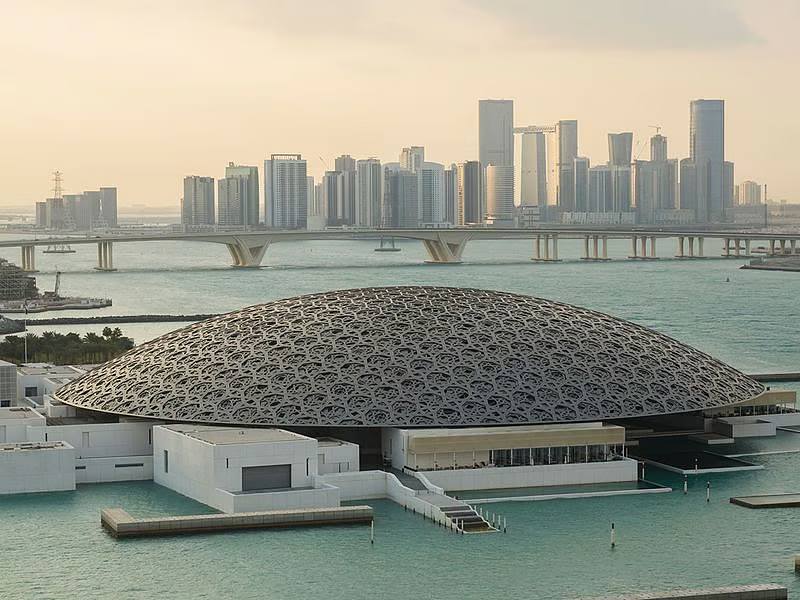
The dome’s complex geometric design features 7,850 star-shaped patterns, arranged in varying sizes and orientations across eight overlapping layers.
Four exterior layers are covered in stainless steel, while four interior layers are made of aluminium. These are supported by a steel framework measuring five metres in height.
As sunlight travels through the different layers, it creates constantly changing patterns of illumination that appear and disappear throughout the day.
Architect Jean Nouvel describes this captivating effect as a “rain of light”, one of the museum’s most recognisable architectural features.
Measuring 180 metres in diameter, the dome is supported by just four piers positioned 110 metres apart, giving the vast structure its seemingly weightless appearance.
Rising 36 metres above ground level, the roof draws inspiration from the traditional cupola, a prominent element of Arabic architecture.
Its intricate patterns also pay tribute to Abu Dhabi’s palm trees, echoing the interplay of sunlight and shade beneath their leaves.
Beyond its visual appeal, the dome serves an important environmental purpose. By providing shade to the buildings and outdoor spaces below, it helps create a cooler, more comfortable atmosphere.
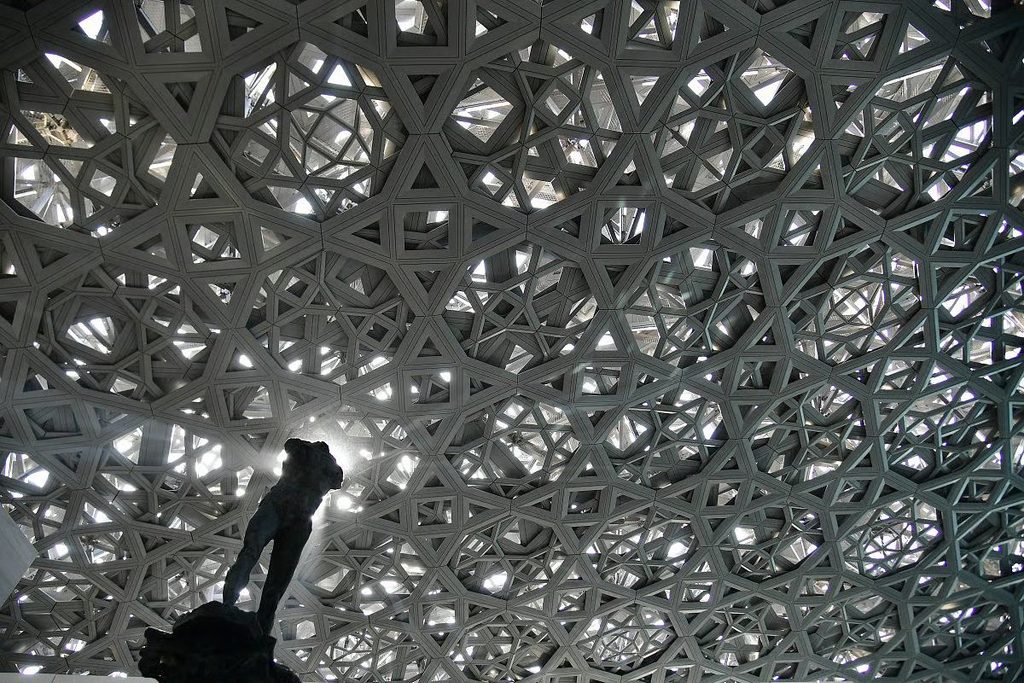
Nouvel has described this architectural approach as creating a microclimate, combining traditional regional design principles with modern engineering.
The result is a structure that is not only visually spectacular but also thoughtfully adapted to Abu Dhabi’s climate.

