

Dr Ali Rashid Al Nuaimi says the UAE worked to maintain normal life, keeping malls, restaurants and beaches open while safeguarding residents against security threats.
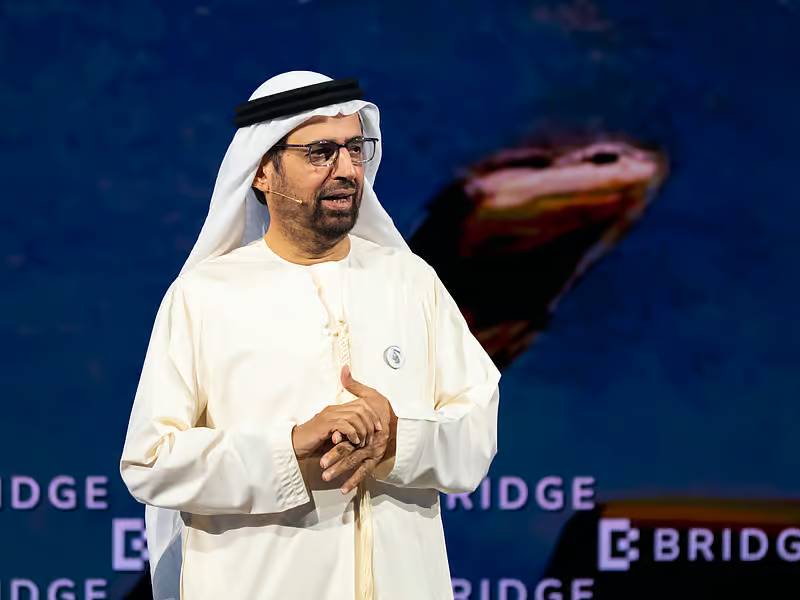
The UAE worked to preserve a sense of normalcy during Iranian missile and drone attacks earlier this year, allowing shopping malls, restaurants and beaches to remain open while addressing potential security risks, a senior Emirati official said on Thursday.
Speaking at the UAE Correspondents’ Majlis in Dubai, Dr Ali Rashid Al Nuaimi, Chairman of the Defence, Interior and Foreign Affairs Committee of the Federal National Council (FNC), outlined the country’s efforts to protect residents while minimising disruptions to daily life.
He explained that the security challenges extended beyond defending against incoming missiles and drones.
According to Al Nuaimi, authorities also had to contend with suspected sleeper cells that he said were assisting Iranian forces by providing information to help direct their attacks.
He highlighted the difficulties involved in detecting potential threats, particularly near strategically important locations, while ensuring that heightened security precautions did not interfere unnecessarily with people’s everyday activities.
Several Gulf and Arab nations have previously raised concerns about alleged destabilising operations involving sleeper cells believed to have connections with Iran and Hezbollah-linked organisations.
Authorities across the Gulf have also reported uncovering and dismantling suspected espionage and sabotage networks.
In Bahrain, officials accused suspects of sharing information about sensitive sites with Iranian operatives, while authorities in Qatar reported identifying alleged networks gathering intelligence on military installations and critical infrastructure.
The UAE similarly announced arrests involving individuals suspected of participating in Iran-linked networks allegedly planning activities that could threaten national security.
Daily life continued despite emergency alerts
As Iranian missile and drone attacks began on February 28, residents across the UAE received emergency notifications on their mobile phones warning them about possible security threats.
The alerts advised people to move to secure locations, remain inside buildings and avoid windows and exposed outdoor spaces. Once the immediate threat had subsided, authorities sent additional messages confirming that residents could safely return to their regular activities.
The National Emergency Crisis and Disaster Management Authority (NCEMA) explained that the UAE’s early warning system was designed to issue location-specific notifications, ensuring that people in potentially affected areas received timely instructions to protect themselves.
Despite the security situation, shopping malls, tourist destinations and other public venues continued operating. Essential infrastructure and services, including electricity, water supplies, telecommunications and healthcare facilities, also remained operational.
Air travel experienced temporary disruptions, with some flights suspended or restricted. Authorities responded by establishing emergency air corridors and implementing contingency measures to support the gradual restoration of flight operations.
Throughout the period, residents continued participating in Ramadan prayers, visiting shopping centres, exercising and spending time with friends, while complying with official safety guidance whenever emergency alerts were issued.
Dr Ali Rashid Al Nuaimi shared an experience from the conflict that, he said, demonstrated how the UAE had managed to maintain everyday life despite the attacks.
He recalled speaking over a video call with an Israeli acquaintance who was surprised to discover that Al Nuaimi was at Galleria Mall in Abu Dhabi while missile and drone threats were ongoing.
The acquaintance, who was sheltering at the time, commented that the UAE was facing a greater number of missiles and drones than Israel.
Al Nuaimi said he then entered a restaurant and showed the caller that the establishment was filled with diners, illustrating how normal activities were continuing despite the security concerns.
One million Israeli tourists visited the UAE in 2025
Turning to the UAE’s international reputation and its efforts to encourage peaceful coexistence, Dr Al Nuaimi said approximately one million Israelis visited the Emirates in 2025.
He emphasised the value of direct interactions between people from different backgrounds in breaking down stereotypes and reshaping perceptions, particularly among communities whose relationships have historically been influenced by conflict.
According to Al Nuaimi, some Israeli visitors arrived in the UAE carrying longstanding misconceptions about Arabs, but their experiences in the country helped challenge those assumptions.
He explained that visitors had opportunities to engage not only with Emirati citizens but also with residents representing different Arab communities, including Palestinians.
Such encounters, he suggested, allowed visitors to gain a more personal understanding of people and cultures they might previously have viewed through the perspective of political tensions.
The UAE and Israel formally established diplomatic ties through the Abraham Accords in 2020, paving the way for direct air connections, expanding tourism and stronger business relationships.
Dr Al Nuaimi also disclosed that he had met with two separate delegations the previous day, one representing Israelis and the other Palestinians, as part of his ongoing efforts to promote communication and mutual understanding.
He said both groups acknowledged the importance of working towards a future in which Israelis and Palestinians could coexist peacefully instead of remaining trapped in a cycle of conflict.
Al Nuaimi stressed that disagreements and historical differences should not stand in the way of dialogue or efforts to identify shared interests.
He emphasised the need to build a future in which younger generations would have the opportunity to live without experiencing the continuing conflicts that have affected their communities.

