

UAE Residents Face Higher Fuel Prices and Flight Disruptions Amid US-Iran Tensions.
Airports and ports across the UAE continue to operate, although the broader Gulf conflict is placing sustained pressure on transport and logistics networks. Airlines are adjusting some regional services, shipping costs are climbing, and households are beginning to feel the impact of higher expenses.
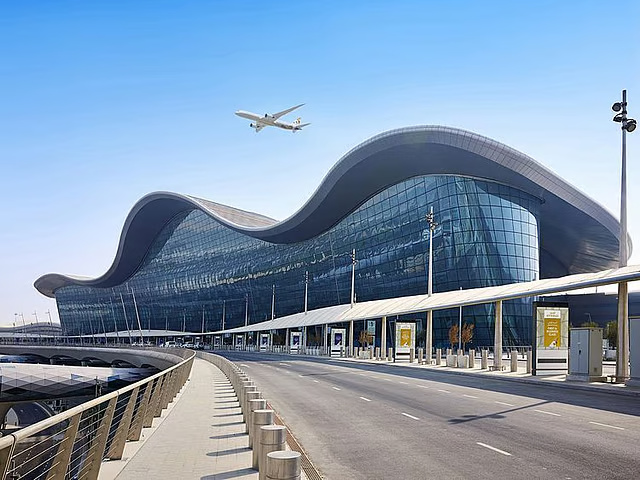
The UAE’s main aviation hubs — Dubai International Airport, Al Maktoum International Airport and Zayed International Airport in Abu Dhabi — are operating at close to normal capacity. However, regional flight schedules remain susceptible to delays, cancellations and last-minute rerouting as the situation continues to evolve.
Flights operated by Iranian airlines between Iran and the UAE remain suspended until further notice, according to the UAE General Civil Aviation Authority.
Meanwhile, freight rates for shipments entering the Gulf have climbed as much as five-fold amid maritime disruptions. UAE petrol and diesel prices also increased for a third consecutive month in October, adding pressure to transport and retail costs. Households are facing additional expenses as electricity tariffs include a new fuel surcharge of 6 fils per kilowatt-hour.
Here are the latest developments:
Aviation
- Airports remain open as airlines adjust networks: Dubai International (DXB), Al Maktoum International (DWC) and Zayed International Airport (AUH) continue to operate, although some passengers are facing delays and cancellations.
- Dubai and Abu Dhabi hubs remain operational: Emirates, Etihad Airways, flydubai and Air Arabia continue to modify schedules in response to airspace and security concerns, with disruptions affecting some connecting and long-haul services.
- Beirut, Iraq and Jordan among the most affected: Emirates and Etihad have cancelled or suspended some services to Beirut through at least October 8, while flights to Baghdad, Basra and Amman have also faced suspensions through October 5–6. Disruptions have also had knock-on effects on some services to destinations including London, Bangkok, Delhi and Karachi.
- International airlines remain cautious: Several foreign carriers have extended flight suspensions or reduced schedules into October. Emirates and Etihad continue to operate most of their long-haul networks but are advising passengers to regularly check the latest flight information before travelling.
- Capacity compared with pre-conflict levels: Emirates is operating services to around 140 destinations across 72 countries, representing approximately 98% of its pre-conflict network and about 93% of its previous weekly flight frequencies. Further adjustments remain possible as regional conditions evolve.
Shipping and Strait of Hormuz
- Strait remains restricted: As of October 6, 2026, the Strait of Hormuz is classified as “Restricted”, with live tracking estimates indicating oil and petroleum-product flows of approximately 13.1 million barrels per day, compared with about 17.1 million bpd before the conflict.
- Tankers face lengthy delays: More than 100 supertankers have at times gathered off Oman, with some vessels reportedly waiting as long as 10 days to load cargo or transit the region amid tighter security, insurance restrictions and routing challenges.
- Freight costs surge: Shipping and related costs for cargo entering the Gulf have reportedly risen to around 300% to 500% of previous levels. The increase has been driven by war-risk premiums, emergency surcharges, higher fuel expenses and more complicated shipping routes involving ports including Fujairah, Khor Fakkan and facilities in Oman.
- Energy exports face pressure: UAE and other GCC energy producers continue moving crude through the Strait of Hormuz under heightened security measures. Some shipments have been rerouted or delayed, contributing to elevated crude and refined-product prices across the region.
Retail prices and cost of living
- Inflationary pressure increases: Food and beverages continue to contribute to inflation in Dubai, with food-basket costs reported to have increased by around 4% to 9.6%, depending on the measure used. Higher freight, fuel and import expenses are increasingly filtering through to consumer prices.
- Higher logistics costs reach businesses: The sharp increase in shipping expenses, combined with higher diesel prices, is adding costs for importers, distributors and retailers. Food, consumer products and construction materials are among the categories particularly exposed to higher transportation expenses.
- Household expenses rise: Residents are facing higher petrol, diesel, electricity and imported-goods costs at the same time. Medium- and high-consumption households could see a more noticeable increase in monthly utility expenses under the new fuel surcharge and existing consumption slabs. Rising fuel costs could also put pressure on retailers and delivery companies that currently offer free home delivery.
- Regional tensions remain elevated: The US-Iran confrontation and associated military strikes continue to keep the Gulf region on heightened alert.
- Hormuz oil flows remain below previous levels: Despite its restricted status, the Strait of Hormuz remains physically open. However, energy flows remain lower and more volatile than before the conflict, with estimates placing volumes at roughly 75% to 80% of pre-conflict levels depending on the period and data source.
Yemen conflict adds pressure near Bab Al Mandab
Saudi-backed Yemeni forces advanced on Tuesday towards the Bab Al Mandab, the strategically important waterway connecting the Red Sea with the Gulf of Aden, pushing Iran-backed Houthi forces from territory near the strait.
The Houthis have responded by claiming attacks on Saudi infrastructure, including airports and a refinery. Some of those claims have not been independently verified.
Meanwhile, Turkey and Pakistan have pledged a “rapid deployment” of forces to Saudi Arabia under a new mutual defence alliance, according to a joint statement issued by the three countries on Monday. The announcement comes as Saudi Arabia faces an escalation in attacks claimed by Yemen’s Houthis.
Situation remains highly fluid
There are currently no indications of an imminent shutdown of UAE airports or a halt to Gulf energy supplies. However, regional conditions remain highly fluid and could change quickly.
For the UAE, developments around both the Strait of Hormuz and Bab Al Mandab are particularly significant, as the two strategic waterways play a crucial role in Gulf energy exports and global trade.
Key developments to monitor include:
- Security incidents involving tankers in the Strait of Hormuz
- Further escalation in Yemen
- Movements in global oil prices
- New airline advisories, cancellations and schedule changes
The key concern is not simply whether the Strait of Hormuz remains technically open. What also matters is whether shipping companies, insurers and energy operators remain willing and able to move vessels through a waterway facing heightened military and security risks.

