

UAE kidney care evolves through precision medicine, policy insight and patient advocacy.
The kidneys carry out vital functions largely out of sight, filtering waste from the blood, regulating blood pressure and maintaining the body’s delicate chemical balance. But this lack of obvious symptoms can also make kidney disease difficult to detect, allowing damage to progress for years while people continue to feel healthy.
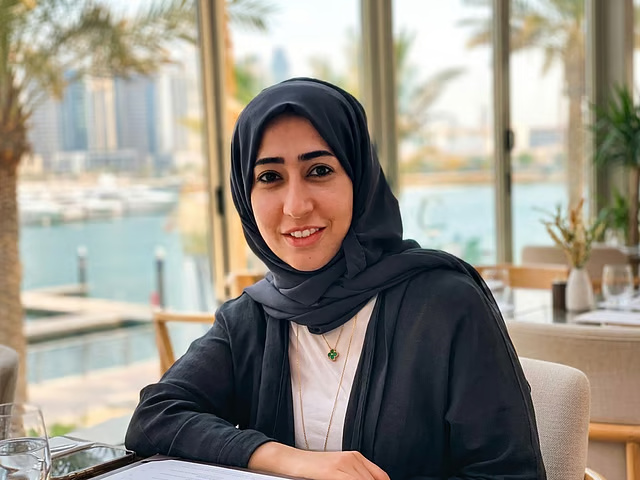
Dr Hassa Obaid Khalifa Al-Zaabi, a nephrologist at OMICS Precision Health in Dubai, has built her career around identifying these hidden risks, protecting kidney function and helping strengthen the healthcare systems that support patients.
Al-Zaabi was drawn to nephrology after recognising the need for greater local expertise in kidney care. At the time, few Emirati doctors had specialised in the field, motivating her to pursue a career where she could help address that gap.
“It made me want to contribute in an area where I felt we needed more local expertise,” she says.
In 2005, she travelled to Sheffield in the UK to undertake specialist training in nephrology.
Nephrology continues to interest her because kidney health is closely connected to the wider functioning of the body. Blood pressure, cardiovascular and metabolic conditions, diabetes and autoimmune diseases can all affect kidney function.
“As a nephrologist, you have to understand what is happening across the body as well as in the kidneys,” she explains.
Reading the risks
Prevention remains at the heart of her work because kidney disease often develops without obvious warning signs.
“A person can feel perfectly well while kidney damage is developing, particularly in the early stages,” she says.
Women should be aware of their individual risk factors, particularly if they have diabetes, high blood pressure, obesity, cardiovascular disease, an autoimmune condition or a family history of kidney disease.
Early screening is relatively simple. A blood test can assess how well the kidneys are filtering waste, while a urine test can detect albumin, which may be an early sign of kidney damage.
Al-Zaabi advises maintaining healthy blood pressure and blood glucose levels, staying physically active, avoiding smoking and limiting excess salt and ultra-processed foods. She also recommends being cautious about frequent or unsupervised use of anti-inflammatory medicines, including ibuprofen and diclofenac.
Diabetes and hypertension are among the leading causes of chronic kidney disease. Persistently high blood glucose can gradually damage the kidneys’ small blood vessels, while uncontrolled blood pressure can impair their filtering system. Kidney disease can, in turn, make blood pressure more difficult to control, creating a cycle that can accelerate further damage.
This issue is particularly relevant in the UAE, where cardiometabolic conditions remain a significant health concern. Regular monitoring can help doctors identify changes at an early stage and take steps to preserve remaining kidney function.
Care beyond the consultation
Al-Zaabi’s Diploma in Government Excellence Model has broadened her role beyond clinical care to include healthcare quality and institutional leadership. Her experience as a clinician has shown her that better patient outcomes depend not only on medical treatment, but also on coordinated care, consistent standards and healthcare systems that can learn from and address their shortcomings.
“Doctors are in a useful position because we experience healthcare systems through our patients every day,” she says. From this perspective, physicians can identify gaps in care and contribute to improvements that extend well beyond an individual consultation.
Al-Zaabi views the UAE’s strong support for women’s education and professional development as an important factor in her career. Her biggest challenges have stemmed from the demands of specialist medicine, including pursuing training overseas, entering a field with limited Emirati representation and keeping pace with rapidly evolving medical research and treatments.
These experiences have shaped her approach to leadership, which centres on continuous learning, meaningful contribution and measurable improvements in patient care.
Her message to young Emirati women on Emirati Women’s Day is clear: specialised fields should be seen as opportunities for ambition and leadership. Healthcare is rapidly evolving through precision health, genomics, artificial intelligence and advanced diagnostic technologies, areas in which the UAE continues to make significant investments.
“We will always need Emirati women with the expertise to contribute to these fields and lead within them,” Al-Zaabi says.
She encourages young women to pursue the subjects that genuinely interest them, develop deep expertise and use their knowledge to improve the lives of patients and contribute to the country’s progress.
“Doctors are in a useful position because we experience healthcare systems through our patients daily. Our perspective can identify gaps and shape improvements that reach beyond individual consultations.”

