

Experts reveal why many UAE residents continue to favour a steaming cup of karak year-round.
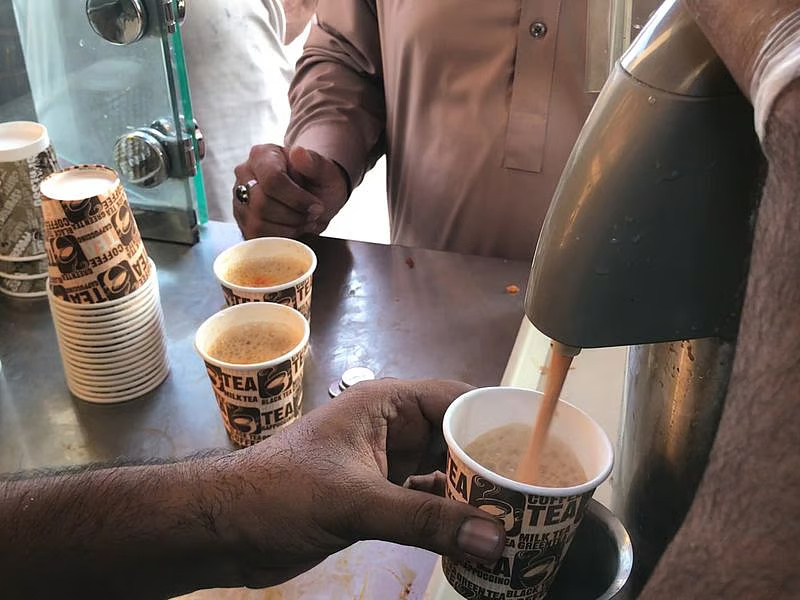
Dubai: Stepping outdoors in the UAE this summer is enough to make anyone reach for an ice-cold drink. Yet inside cafeterias, office pantries, and roadside tea shops, queues still form for steaming cups of karak.
Despite temperatures soaring above 45°C, many residents continue their daily ritual of drinking hot beverages such as karak and Arabic coffee, while others even opt for a warm bowl of soup. For many, these comforting favourites remain part of their routine regardless of the season.
Is it simply a matter of habit? Can a hot drink actually help cool the body? Or is there more behind this enduring preference? According to health experts, the answer lies in a combination of science, psychology, and the lifestyle many people lead in the UAE.
Culture and lifestyle
For Dr Eman Abdul Kader Alabar, Specialist in Internal Medicine at Medcare Royal Speciality Hospital, the enduring popularity of hot beverages has little to do with the weather itself.
“It may seem counterintuitive, but food and beverage preferences are influenced by much more than the weather alone,” Dr Alabar told.
For many people in the UAE, beverages such as karak, tea, and coffee are deeply embedded in daily life. They are an integral part of morning routines, family gatherings, workplace conversations, and moments of relaxation. That sense of comfort and familiarity often takes precedence over the desire for a cold drink, even during the hottest months.

The UAE’s climate and lifestyle have further reinforced these habits. Although outdoor temperatures can be extreme, residents spend much of their day in air-conditioned offices, shopping malls, homes, and vehicles.
“People frequently move between intense outdoor heat and cool indoor environments throughout the day. This contrast can naturally increase the appeal of warm drinks and comforting meals,” Dr Alabar explained.
Dr Alabar added that many people find warm meals more filling or easier to digest. However, she noted that there is limited scientific evidence to suggest that warm foods provide a significant digestive advantage over cold foods in otherwise healthy individuals.
Can a hot drink really cool the body?
Although it may seem counterintuitive, there is a physiological explanation, according to Dr Mohammed Zaquot, Consultant in Internal Medicine at Prime Hospital.
The human body constantly works to maintain a stable core temperature of around 37°C, with sweating serving as one of its most effective cooling mechanisms.
“Drinking a hot beverage can stimulate sweating, and when sweat evaporates, it helps cool the body, particularly in dry conditions,” Dr Zaquot explained.
Dr Zaquot cautioned that this should not be viewed as a practical cooling strategy during the UAE summer. He explained that the effect depends on sweat evaporating efficiently from the skin, which becomes less effective in humid conditions. As a result, staying well hydrated remains the body’s most important defence against extreme heat.

He also advised against consuming beverages at excessively high temperatures, warning that repeated exposure to very hot drinks may damage the lining of the oesophagus over time.
Instead, Dr Zaquot recommends maintaining a balanced summer diet rich in fruits, vegetables, whole grains, and lean proteins, while ensuring adequate water intake throughout the day to stay hydrated.
Why your brain may be craving that cup of karak
While the body has its own reasons, the mind plays an equally important role. According to Nargiza Noimann Zander, Clinical Psychologist and Founder of X-Technology, the desire for hot drinks during summer is often driven more by emotional regulation than by temperature.
“Food and drink are strongly connected to habit, comfort, identity, and emotional regulation,” Zander explained.
For many UAE residents, a cup of karak is more than just a beverage. It marks the beginning of the day, a work break, a conversation with colleagues, or a quiet moment to unwind. Over time, the brain associates these familiar rituals with feelings of comfort, safety, and relaxation.
“A hot drink can signal a pause, comfort, and a mental reset,” she said.

Warm beverages can also provide a soothing sensation in the throat, chest, and stomach, which may encourage the body’s “rest and digest” response. While cold drinks can feel refreshing, they may not always offer the same sense of comfort, particularly after spending extended periods in heavily air-conditioned environments.
Zander emphasised that moderation remains essential. Beverages high in caffeine or sugar can affect sleep, anxiety levels, and energy balance when consumed excessively, particularly during periods of dehydration or fatigue.
“If someone feels dizzy, unusually tired, overheated, thirsty, or unable to cool down, the body is signalling that it needs hydration, rest, and cooling — not another stimulant,” she said.
What you should be eating and drinking this summer
Whether you prefer your beverages hot or cold, nutrition experts say the more important consideration is the overall balance of your diet.
Ruba El Hourani, Head of the Preventive Health and Nutrition Department at RAK Hospital, emphasised that hydration should remain the foundation of any summer nutrition plan.
During the hotter months, the body loses significant amounts of fluid through sweating, making regular water intake essential. People who spend extended periods outdoors or engage in physical activity may also require electrolyte-rich drinks to help replace minerals lost through perspiration.

She recommended building meals around water-rich fruits and vegetables, lean proteins, and other light, balanced foods that provide essential nutrients without leaving the body feeling heavy or sluggish.
At the same time, she advised limiting sugary soft drinks, excessive caffeine intake, and heavy, oily meals, as these can increase thirst, contribute to dehydration, and place additional stress on the body during extreme heat.
“It is important to clarify that there is limited strong clinical evidence showing that hot drinks are superior to cold drinks for digestion in healthy individuals. The key factor for digestive health is maintaining proper hydration, regardless of beverage temperature,” El Hourani said.
For UAE residents who cannot imagine beginning the day without a cup of karak, there is no need to give up the tradition simply because temperatures are rising. Experts agree that a hot drink, enjoyed in moderation alongside adequate water intake and a balanced diet, can remain part of a healthy summer routine.
In a country where temperatures frequently rise above 45°C, the UAE’s beloved hot beverage has become more than just a drink. It is a daily ritual, a source of comfort, and a tradition that even the summer heat has not managed to change.

