

Safety experts emphasise the importance of constant, undivided supervision.
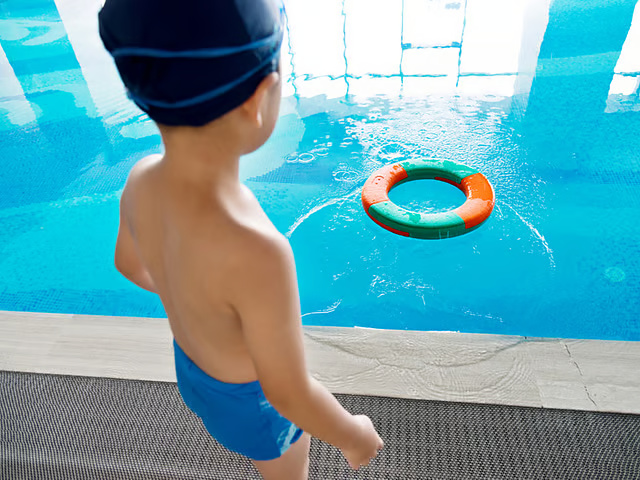
Summer brings more time in the water, but following a few simple safety measures can help prevent accidents.
As families across the UAE head to pools, beaches and residential swimming areas during the warmer months, experts are urging parents and caregivers to take a closer look at what effective water safety involves.
Water safety is not simply about whether a child can swim or whether a lifeguard is present — and experts warn that inflatable armbands and floats should never be seen as substitutes for supervision.
While swimming ability is an important skill, experts stress that true water safety involves much more: recognising potential hazards, understanding the surroundings, making responsible decisions and knowing how to respond in an emergency.
Why swimming ability alone is not enough
For Laurence Arca Bathe, founder and Managing Director of Urban Swim Academy, one of the biggest dangers is the false sense of safety created by flotation devices and pool toys.
“One of the biggest misconceptions is that inflatable armbands, swim rings or other flotation toys make children safe in the water. They do not,” Bathe said. “These products are toys, not life-saving devices, and they should never replace active adult supervision.”
Experts stress that supervision must be direct, focused and uninterrupted. Bathe notes that many people have an inaccurate image of drowning as a loud and dramatic event involving obvious distress.
“Many people imagine drowning as loud, dramatic and obvious, with lots of splashing and shouting. In reality, drowning is often silent and can happen in a matter of seconds,” she said. “A person who is drowning is usually focused entirely on trying to breathe, not calling for help.”
The warning signs are not always easy to spot. A child may not cry out or make noticeable movements, and simply being near a pool does not mean a child is being watched. “You need to be fully engaged and constantly watching your child,” Bathe said.
The challenge can be greater in private homes, where responsibility for supervision is sometimes handed to caregivers who may not have received formal water safety training.
“The biggest risk I see is not the water itself, but the gap in training among those responsible for supervising children around it,” said Lynsay Kilbane, Founder of The Private Standard. “Many nannies working in private households here have never received formal water safety training, and a significant number cannot swim.”
During the summer months, when families spend more time at pools and beaches, this gap can become more concerning — particularly in locations where no lifeguard is present.
“Households often assume a nanny’s presence automatically means a child is being supervised, when in reality it depends entirely on that person’s training, awareness and ability to respond in an emergency,” Kilbane said.
Experts also warn against relying solely on lifeguards for a child’s safety. While lifeguards play a crucial role in monitoring pools and beaches, their responsibility extends to the entire area rather than one individual child.
Parents and caregivers remain the first line of defence, with active supervision, awareness and basic water safety knowledge playing a critical role in preventing accidents.
The warning signs of drowning parents need to know
One of the key messages from water safety experts is that drowning often does not look the way many parents expect.
“It is usually silent rather than dramatic, with no shouting or splashing, which is why constant, direct observation matters far more than simply being nearby,” Kilbane said.

A child or adult in distress may be unable to call for help or wave for attention because their focus is on trying to breathe and stay above water. Parents and caregivers should watch closely for signs such as sudden distress, difficulty staying afloat or an inability to regain control in the water.
Bathe also cautioned against assuming a child is safe simply because the water is shallow, stressing that close supervision is essential in all water environments.
Drowning can happen in shallow water
Experts warn that drowning is not limited to deep water and can occur in only a few centimetres of water — enough to cover a person’s mouth and nose.
“Finally, drowning doesn’t only happen in deep water. It can occur in just a few centimetres of water, enough to cover a person’s mouth and nose. That’s why water safety is important wherever water is present,” Bathe said.
Kilbane added that the belief that shallow water, such as bathtubs or children’s paddling pools, is automatically safe is a dangerous misconception.
“The second is the belief that shallow water, such as a bathtub or a kiddie pool, is inherently safe simply because it is shallow. Both are false, and both have contributed to serious incidents,” she said.
She also warned parents about breath-holding games, which can carry hidden risks.
“I would also flag breath-holding games, which are often treated as harmless fun but can lead to shallow water blackout with very little warning,” Kilbane said.
The message from experts is clear: parents should not wait for obvious signs of danger. If something appears wrong, immediate action is essential.
Warning signs someone may be in trouble
- No shouting or splashing: Drowning is often silent rather than dramatic.
- Unable to call for help: A person in trouble is usually focused on trying to breathe rather than calling out.
- Unable to stay afloat: Even confident swimmers can struggle due to exhaustion, panic or a medical emergency.
- Panic or difficulty staying calm: Children should be taught how to respond calmly if they find themselves in difficulty.
- Difficulty reaching safety: Children should learn how to orient themselves and move towards safety if they fall into water unexpectedly.
- Shallow-water incidents: Drowning can occur in very small amounts of water, including areas deep enough to cover the mouth and nose.
What active supervision really looks like
Active supervision means giving children your complete attention whenever they are in or around water.
“That means putting your phone away, leaving the book aside and keeping your eyes on the children at all times,” Bathe said. “Ideally, younger children should be within arm’s reach, and parents should be in the water with them whenever appropriate.”
She added that when supervising multiple children, adults should carry out regular headcounts and never assume someone else is watching.
Kilbane also warned against relying on a single caregiver to supervise several children in the water.
“That is unsafe regardless of how experienced the caregiver is, because a young child can go under in seconds while attention is elsewhere,” she said.
Experts stress that one caregiver should not be responsible for multiple children in the water at the same time. If several children are swimming, there should be enough responsible adults to ensure continuous supervision.
Bathe added that supervision should never be left unclear when an adult needs to step away.
“If you need to step away, even briefly, make sure another responsible adult knows they are taking over supervision,” she said.
UAE summer adds another layer of risk
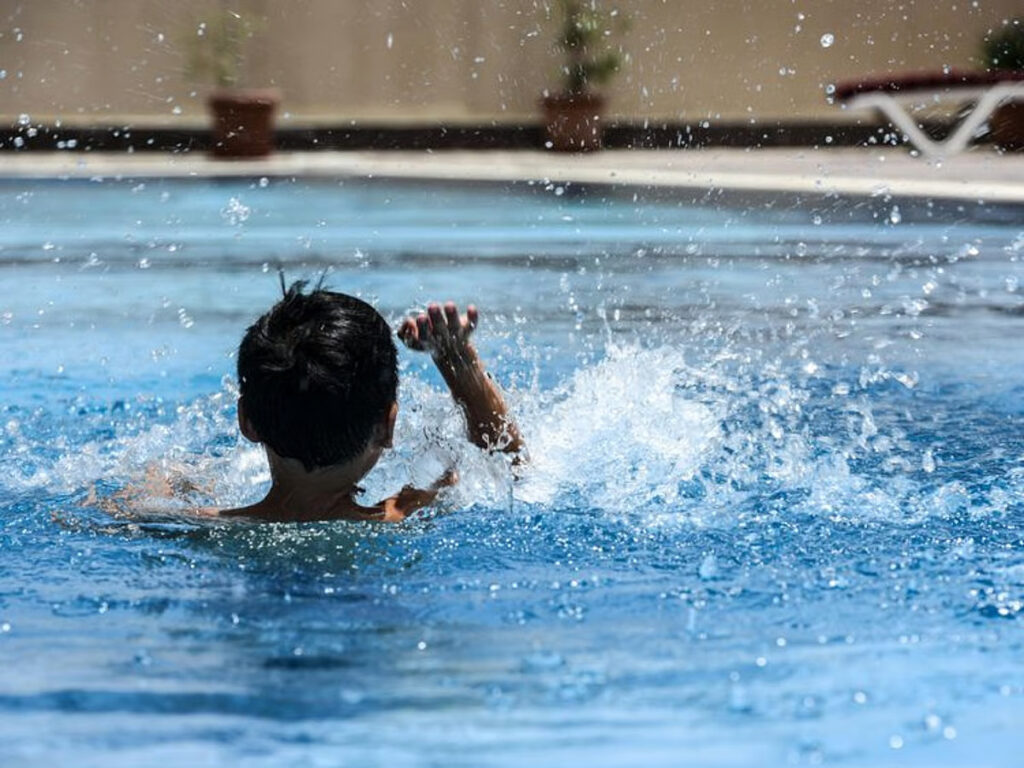
The UAE’s intense summer heat can create additional risks for children in and around water. High temperatures can contribute to dehydration and fatigue, causing children to tire more quickly while swimming and making it harder for them to recognise their limits.
Experts warn that this can be particularly dangerous when children overestimate their abilities or continue swimming despite becoming exhausted.
Older children may also become overconfident after learning basic swimming skills at school, leading them to attempt risky behaviour such as deeper dives, jumps or swimming beyond their comfort level, Bathe explained.
Families should schedule regular breaks, ensure children drink enough water and watch for signs of tiredness or overheating.
Beaches, pools and risks families may overlook
“Choose beaches with lifeguards whenever possible, and always check the local safety flags and sea conditions before entering the water,” Bathe said.
Paul Stokes, Founder of Ocean Warriors Surf Lifesaving Club, encourages families to understand beach flag systems and learn about local conditions, including currents and tides, before swimming. Knowing how to interpret warnings and assess the environment can help families make safer decisions.
At home, however, families often do not have the added protection of a lifeguard. Bathe highlighted private residential pools as another area of concern, as many do not have professional supervision in place.
Without a lifeguard present, parents and caregivers must take greater responsibility for monitoring children and setting clear safety rules before they enter the water.
“This means no running near the pool edge, and no games that involve pretending to drown, which can delay a genuine response if something does go wrong,” Kilbane said.
She also recommends using high-visibility swimwear to make children easier to spot in the water.
“I recommend high-visibility swimwear in colours other than blue, which blends into the water and can make a child harder to spot quickly, along with suitable footwear for hot surfaces around pools and beaches,” Kilbane said.
Experts also advise families to prepare children in advance for situations where they become separated from their group, particularly at busy beaches.
“Talk to children beforehand about what to do if they become separated from the group, especially out at sea, so there is a plan in place rather than confusion in the moment,” Kilbane said.
She also warned against breath-holding games, which may appear harmless but can lead to shallow-water blackout with little warning.
When it comes to recognising distress, experts stress that drowning often does not look the way people expect. It is typically silent rather than dramatic, with no shouting or splashing — making constant, direct observation far more important than simply being nearby.
The survival skills every child should learn
Swimming is an important skill, but experts stress that it is only one part of staying safe around water.
“Every child should learn how to roll onto their back, float confidently and remain calm,” Bathe said.
Floating does not need to be perfect. The key is being able to keep the airway above the water while resting, breathing and regaining control. From this position, a person can call for help, identify the nearest safe exit and make better decisions in an emergency.
Kilbane said children should also learn how to float, understand their surroundings and reach safety if they unexpectedly fall into water.
“Swimming ability alone is not enough. Children benefit from learning how to float, how to orient themselves and reach safety if they unexpectedly fall in, and what to do if they get into difficulty rather than panic,” she said.
She also stressed that water safety education should extend to the adults responsible for children.
“I believe water safety training should be mandatory for the caregivers around them, not just the children,” Kilbane said.
Stokes said water safety should be viewed as a fundamental life skill.
“Children should learn how to recognise danger, respond in an emergency and respect the water, just as they learn road safety or fire safety,” he said.
Five ways families can stay safer around water
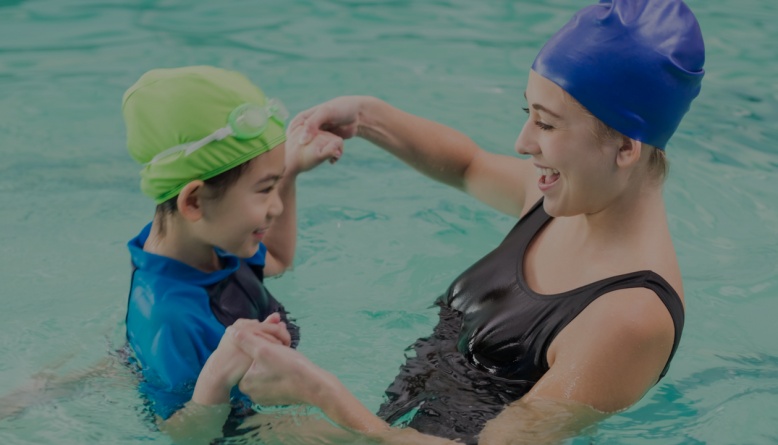
Stokes recommends:
- Never rely on swimming ability alone: Even strong swimmers can become exhausted, caught in currents or panic unexpectedly.
- Stay focused on children: Avoid distractions such as mobile phones and never assume someone else is supervising.
- Swim where lifeguards are present: Choose beaches and pools with professional lifeguards and encourage children to use designated swimming areas.
- Understand beach flags: Learning local flag systems, currents and tides helps families make safer decisions.
- Treat water safety as a life skill: Children should learn how to identify danger, respond in emergencies and respect the water.
What parents can do before the next swim
Before heading to a pool or beach this summer, families should:
- Assign one adult to take responsibility for active supervision and ensure they are watching rather than using a phone or assuming someone else is in charge.
- Keep younger children within arm’s reach and stay in the water with them whenever appropriate.
- Never use flotation toys as a replacement for supervision.
- Ensure caregivers supervising children have basic water safety knowledge and confidence.
- Avoid having one caregiver supervise several children in the water at once.
- Set clear pool and beach rules before children enter the water.
- Check beach flags and sea conditions before swimming.
- Schedule breaks and keep children hydrated during the UAE heat.
- Teach children how to float, stay calm and find a safe exit if they get into difficulty.
- Use high-visibility swimwear where possible and discuss what children should do if they become separated from their group.

