

US-Iran conflict update: How new attacks, shipping disruptions and rising oil prices could affect the UAE.
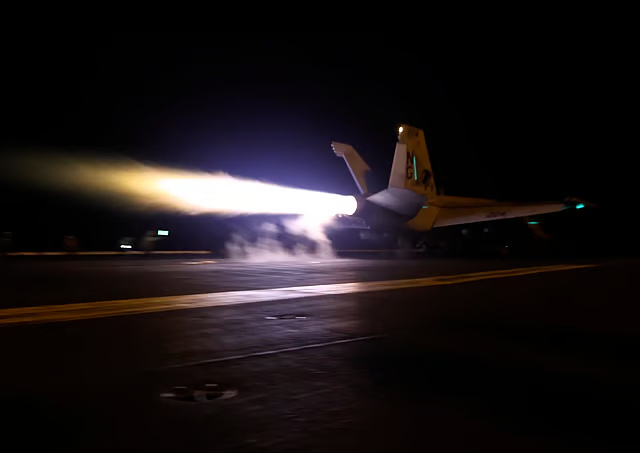
The US-Iran conflict entered a new stage overnight on Thursday (July 16, 2026), as fresh US airstrikes, an expanded naval blockade and Iranian retaliatory actions against Gulf states heightened concerns over shipping disruptions, oil market volatility and regional security.
US expands strikes on Iran
The US launched a fresh wave of airstrikes targeting Iranian military facilities after accusing Tehran of posing threats to commercial shipping and American forces operating in and around the Strait of Hormuz. Explosions were reported near Tehran and other strategic military locations, as President Donald Trump warned that Washington could broaden its campaign if Iran continued its attacks.
US blockade enters a tougher phase
The US Navy stepped up enforcement of its naval blockade targeting Iranian ports, with tensions rising over maritime movements in the region. In one of the most notable incidents, US forces disabled a Curacao-flagged tanker after it allegedly ignored multiple warnings while attempting to head towards Iran. Two other commercial vessels reportedly changed course after being contacted by coalition forces before entering Iranian waters.
The blockade aims to prevent ships from conducting trade with Iranian ports while keeping regular international shipping routes through the Strait of Hormuz open.
Why the Strait of Hormuz remains critical
The Strait of Hormuz continues to be one of the world’s most vital energy transit routes.
Before the conflict, around one-fifth of global oil consumption and a similar share of LNG shipments moved through the narrow passage connecting the Gulf with the Arabian Sea. Any disruption along the route can quickly impact energy prices, shipping insurance rates and freight costs. A prolonged period of instability could further pressure regional trade and logistics networks.
Gulf states remain on heightened alert
Security measures across the region have increased after Iran launched missiles and drones towards Bahrain and Kuwait following the renewed US offensive, triggering air raid alerts and air defence responses. Gulf countries are continuing to closely track developments as tensions remain elevated.
Air travel largely unaffected
Despite the escalation in military tensions, UAE airports continue to operate normally. Airlines, however, are making route adjustments where necessary to avoid conflict areas around Iran and surrounding airspace. Passengers are advised to confirm flight details with their airlines before travelling, especially for routes to Europe, Central Asia and parts of the Middle East. No major disruptions at UAE airports were reported as of Thursday morning.
Oil prices rise amid conflict concerns
Global markets responded swiftly to the latest developments, with oil prices continuing their upward trend.
Brent crude traded near $85 per barrel, extending gains for a fourth straight session as traders assessed the potential impact of further disruptions to Gulf energy supplies. Continued oil price increases could eventually affect fuel prices, airline operating costs and broader inflation if tensions persist.
Diplomatic efforts remain uncertain
President Trump has continued to call on Iran to return to negotiations but has not imposed a deadline for talks, while US military operations continue to expand. Iranian officials, meanwhile, have vowed to respond to what they describe as American aggression.
Analysts warn that the risk of miscalculation remains elevated as both sides increase pressure through military actions while keeping the possibility of dialogue open.
Key developments to watch today
- Any further Iranian missile or drone attacks targeting Gulf states.
- Additional US naval operations in the Strait of Hormuz.
- Updates from airlines on flight diversions, delays or route changes.
- Oil price movements and their impact on regional economies.
- Possible diplomatic developments that could help ease tensions.
Authorities across the region continue to monitor the situation closely, while airlines, shipping operators and energy markets remain on alert as the US-Iran conflict moves into another uncertain phase.

