

S&P: Abu Dhabi’s PPP pipeline marks a significant change in infrastructure funding.
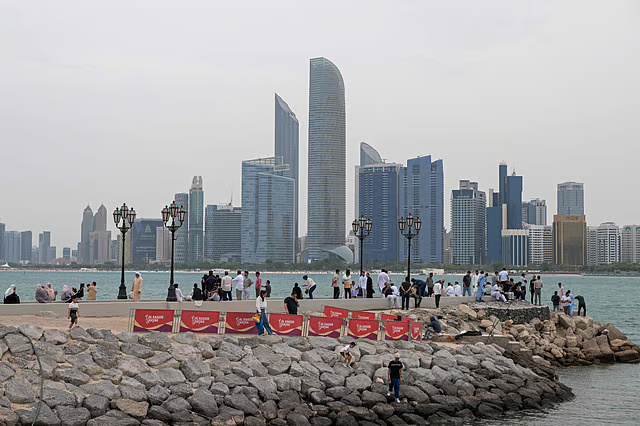
Abu Dhabi’s Dh55 billion public-private partnership pipeline represents a major expansion of private-sector involvement in infrastructure delivery, moving beyond its traditional focus on power and water projects, according to S&P Global Ratings.
In its latest report, titled “Abu Dhabi’s Dh55 billion Pipeline Marks Major Public-Private Funding Expansion,” the ratings agency said the programme reflects a broader strategy to channel private, institutional and sovereign capital into infrastructure alongside public funding.
Announced in May 2026, the pipeline spans 24 projects set for procurement between 2026 and 2027 across transport, core infrastructure and social infrastructure, including roads, flood-control systems, schools, healthcare facilities and sports assets. S&P said it represents one of the Gulf’s largest planned expansions of private-sector involvement in infrastructure delivery, with the strategic shift seen as more significant than the headline value.
Funding model expands beyond utilities
Abu Dhabi has relied on PPP structures for more than two decades, primarily through independent power and water projects procured by the Emirates Water and Electricity Company.
Why it matters for Abu Dhabi
The shift could enable Abu Dhabi to speed up infrastructure delivery while reducing reliance on direct public spending during construction phases.
Global investors remain interested
Abu Dhabi’s PPP pipeline comes alongside the development of other infrastructure investment channels, including a planned $30 billion partnership involving L’IMAD, ADNOC, BlackRock’s Global Infrastructure Partners and Temasek.
S&P said investor confidence is underpinned by Abu Dhabi’s strong credit profile, established procurement track record, government-backed counterparties, and the UAE dirham’s peg to the US dollar, which helps minimise foreign-exchange risk for dollar-based investors.
Lender appetite, financing costs and project bankability will depend on how Abu Dhabi allocates construction, operating and demand risks across different asset classes.
Bank financing is expected to remain the primary funding source during construction, particularly in the early phases. S&P said some social infrastructure and lower-risk operational assets may access capital markets earlier than utility projects, gradually widening the funding base over time.

