

It is driven by a fundamental change in how the nervous system sends signals to the muscles.
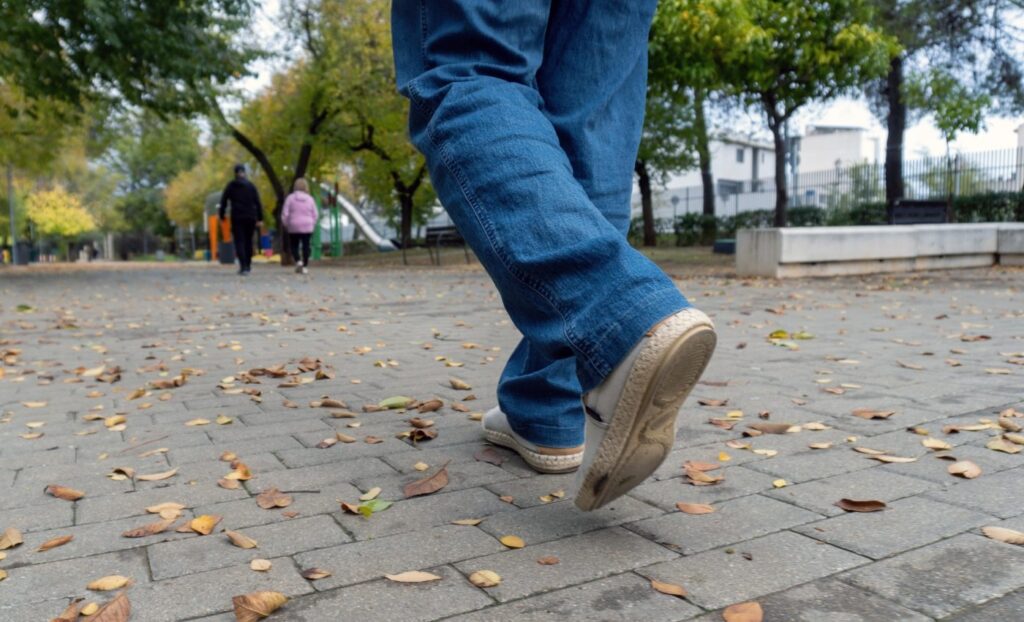
Ever noticed how a routine walk to the grocery store can start to feel like a hike as the years go by? You may find yourself feeling slightly unsteady on uneven pavements or slowing your pace without quite knowing why.
While it’s easy to attribute this to general ageing, scientists now point to a more specific and surprising reason: a major shift in how the nervous system controls the muscles around the ankles.
A recent study published in the journal Gait & Posture, titled “Ageing alters ankle mechanics and muscle co-contraction patterns across the gait cycle,” suggests that the body naturally adopts a “safety-first” strategy with age. Conducted by researchers at Flinders University and the University of Canberra, the study shows that physiology increasingly prioritises fall prevention over smooth, efficient movement. While this adaptation helps maintain stability, it also comes at the cost of higher energy use and reduced walking speed.
How the nervous system prioritises stability
To reduce the risk of falls, the nervous system appears to favour stability over optimal performance. According to study co-author Associate Professor Maarten Immink, this “safety-first” shift fundamentally changes our natural gait pattern.
It is a biological trade-off: speed and fluid movement are sacrificed in favour of a significantly reduced risk of falling. While this protective strategy is effective, it helps explain why older adults may feel more fatigued after walking and find longer distances more challenging.
“As we get older, the body starts to favour stability over efficiency,” says Dr Lindsay of the Flinders Caring Futures Institute.
The real-world risk of falling
This change in ankle mechanics also helps explain why older adults often find it harder to quickly regain balance after a sudden slip or trip.
To explore these findings, researchers carried out a secondary analysis of 107 healthy participants aged between 26 and 86. Each participant walked at a self-selected comfortable pace while their movements were recorded using 3D motion capture, force platforms, and electromyography sensors to measure muscle activity.
Practical steps to stay steady
The study, led by Dr Cody Lindsay of Flinders University, suggests that the body can be trained to adapt to these changes through targeted movement and exercise.
“Staying active is one of the most important things people can do, and small, consistent exercises can help you stay confident, mobile, and independent for longer.”
If you want to maintain mobility, standard strength training alone may not be enough. Fitness routines for older adults should also include balance drills, coordination exercises, and movements that replicate the natural, synchronised way muscles activate with each step.
Why walking is good for you
It is no surprise that walking is often recommended by doctors, as it offers a wide range of health benefits. As osteopath Mathilde Valade of Dubai’s Wellth Clinic has previously explained, a daily brisk walk can significantly improve cardiovascular health, lower blood pressure, and reduce the risk of heart disease, helping to prevent chronic illness. It also supports weight management by burning calories, depending on intensity and duration.
Walking is a “powerful and free” way to improve overall health. Just 30 minutes a day can reduce the risk of heart disease by 19%, boost mood, build muscle strength, and sharpen cognitive function.
It also supports overall bodily repair by improving circulation and oxygen delivery to muscles. As experts have noted, walking is a low-impact exercise that is gentle on the joints, with each step helping to enhance blood flow throughout the body.
It helps clear away lactic acid that can build up in the muscles and contribute to soreness. It also activates cells and encourages the body to use fat as a source of energy for burning calories. The more consistently you walk, the stronger your muscle memory becomes, and the more efficiently your body is able to burn fat.
Furthermore, as Valentina Tura, osteopath and partner at Osteopathic Perfect Balance Medical Center in Abu Dhabi, explains, walking is particularly important for women in the perimenopausal and menopausal stages. It can help support hormonal regulation and stimulate the bones, encouraging them to remain active and stronger over time.

