

Some employees in the UAE and region plan to sacrifice sleep, delay work, or take sick leave to watch FIFA World Cup matches in June and July.
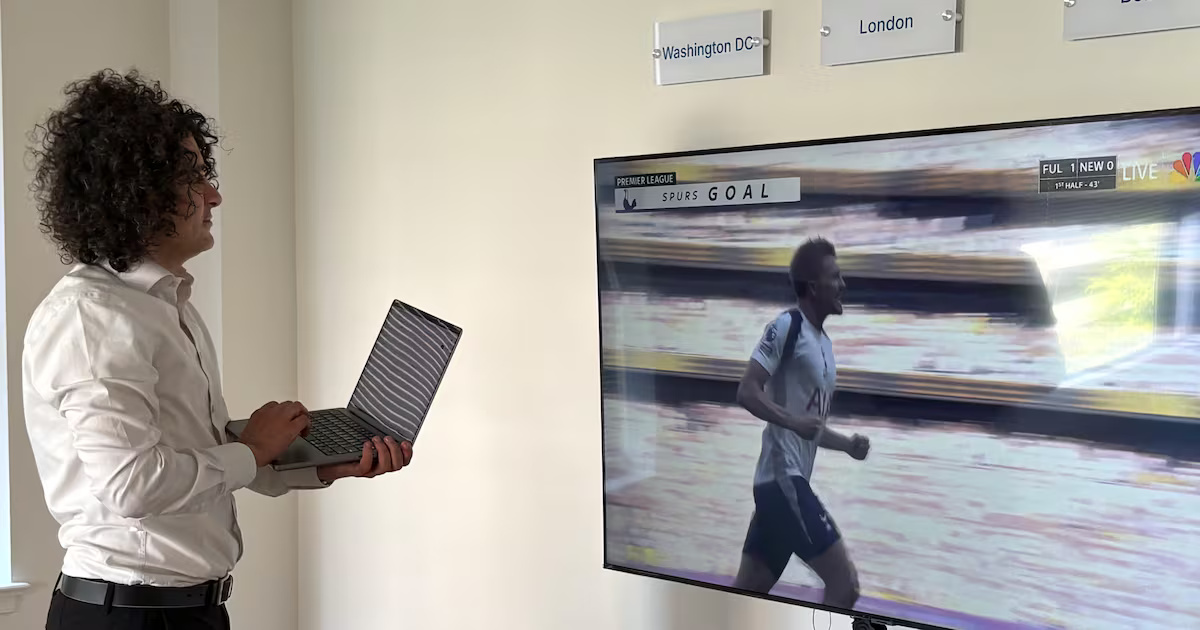
Some companies in the UAE and across the region are offering hybrid work arrangements, flexible schedules and remote working options, as productivity is expected to decline during June and July due to the football World Cup.
According to recruitment and HR consultants, it is common for football fans in the UAE and Gulf region to take annual leave to support their favourite teams.
The ongoing FIFA World Cup, taking place from June 11 to July 19 across the United States, Mexico and Canada, will feature matches scheduled between 8pm and 8am UAE time, depending on the venue.
Major sporting events such as the FIFA World Cup can have a noticeable impact on workplace behaviour, employee engagement, and attendance patterns across the UAE and wider GCC, especially given the region’s strong football culture and diverse international workforce.
The tournament features eight Arab nations, including Saudi Arabia, Qatar, Egypt, Jordan, Morocco, Tunisia, Algeria and Iraq.
Drop in productivity
According to a survey conducted by GulfTalent, companies across the Middle East are expected to experience a significant decline in employee productivity during June and July due to the 2026 FIFA World Cup.
The survey found that 84% of professionals in the region plan to watch at least some matches. Interest is high across both genders, with 87% of men and 74% of women expressing intent to follow the tournament.
Among those planning to watch, nearly half said they would stay up late to follow matches overnight, while a similar proportion expect to watch evening games before midnight. A smaller group said they would catch up through replays the following day.
The remaining respondents who expect an impact on work reported various adjustments, including 30% who anticipate reduced sleep and tiredness at work, 8% who plan to start work late, 8% who intend to take annual leave, 6% who will work remotely, and 2% who may call in sick.
Taking annual leave
Pedro Lacerda, Senior Vice President at TASC Outsourcing, said many organisations today operate with greater flexibility compared to previous tournaments, particularly after the widespread adoption of hybrid and flexible working models.
“Businesses are increasingly adopting more flexible approaches to workforce management, with a stronger focus on productivity, employee experience, and operational continuity. Some employers may offer flexible scheduling, adjusted working hours, remote working arrangements, or team viewing activities depending on the nature of their operations,” he said.
He added that it is common for employees to request annual leave, flexible hours, or schedule adjustments around major sporting events, especially high-profile matches involving their home countries or favourite teams.
“The widespread adoption of hybrid and flexible working models has given employees greater ability to accommodate these events while continuing to meet their professional responsibilities,” Lacerda said, noting that such flexibility can help firms support staff without disrupting day-to-day operations.
He also said organisations that plan ahead and communicate clearly are generally better positioned to maintain operational continuity while supporting employee engagement.

