

Federal court overturns hefty H-1B visa fee, offering relief to employers and global talent.
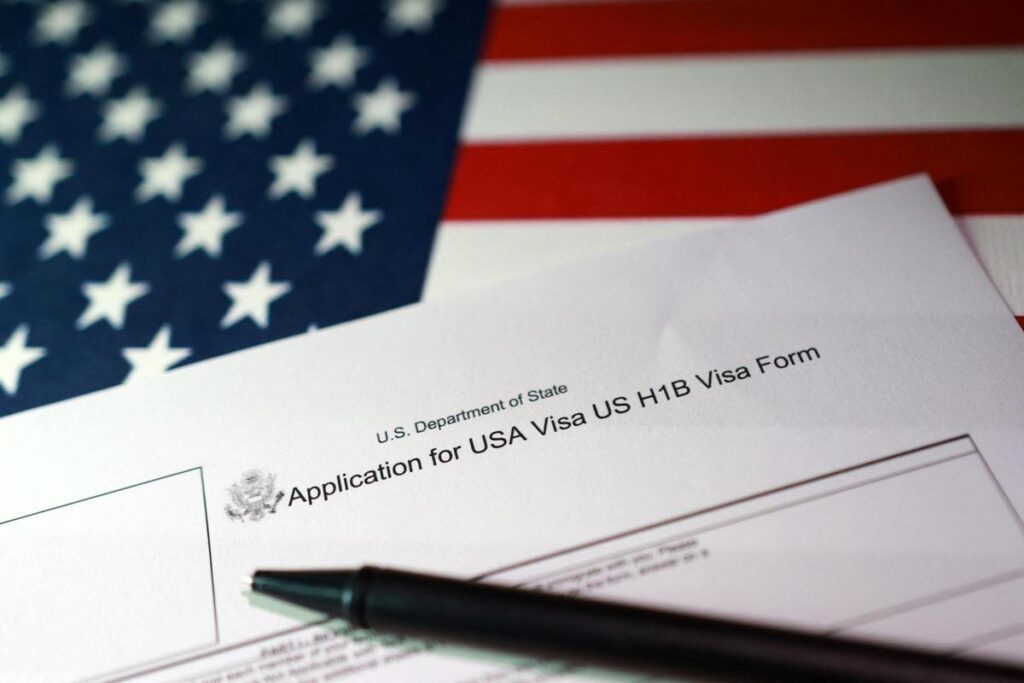
A US federal court has struck down the Trump administration’s $100,000 fee on H-1B visa applications, ruling the measure unlawful and potentially easing hiring costs for employers that depend on skilled foreign workers.
The decision nullifies a policy introduced through a presidential proclamation that had sharply increased expenses for companies seeking to sponsor international talent.
Court rejects fee as unauthorised tax
According to a Reuters report, US District Judge Leo Sorokin ruled that the Trump administration’s $100,000 H-1B visa fee effectively amounted to a tax that had not been authorised by Congress, making it unconstitutional and in violation of federal administrative law. The court found that the executive branch lacked the legal authority to impose such a charge without legislative approval.
The ruling effectively nullifies the fee, removing a significant cost burden on employers seeking to recruit skilled foreign professionals from abroad.
The decision came after several state attorneys general challenged the policy in court, arguing that the administration had overstepped its authority by imposing the fee without congressional approval.
H-1B visa: Key facts you need to know
The H-1B visa programme enables US employers to hire foreign professionals for specialised roles that typically require advanced knowledge and expertise, particularly in fields such as technology, engineering, science, healthcare and finance.
- Eligibility: Applicants generally must hold at least a bachelor’s degree or an equivalent qualification relevant to the position.
- Specialised occupations: The visa is intended for jobs that require specialised skills and theoretical or technical expertise.
- Validity period: An H-1B visa is usually granted for up to three years and can be extended for a maximum total stay of six years in most cases.
- Employer sponsorship: Workers cannot apply independently; a US employer must sponsor the visa petition.
- Annual cap: Most H-1B visas are subject to an annual lottery because demand regularly exceeds the number of visas available.
- Pathway to long-term employment: The programme is often used by employers to retain highly skilled talent and can serve as a stepping stone toward permanent residency for some workers.
- Economic impact: Supporters argue the programme helps US companies fill critical skill gaps, remain globally competitive and drive innovation, while also supporting business growth and job creation.
The programme remains a crucial tool for US employers seeking access to highly skilled international talent, particularly in industries facing persistent workforce shortages.
H-1B visa: Key facts
- Allows US companies to hire highly skilled foreign professionals in fields such as technology, science and engineering.
- Applicants typically need at least a bachelor’s degree or an equivalent qualification.
- The visa is generally valid for three years and can be extended for an additional three years.
- Helps employers address skill shortages and remain competitive in global markets.
- Supports business growth and can contribute to the creation of domestic jobs.
- Serves as an important pathway for long-term skilled employment in the US.
Impact on employers and foreign workers
The now-overturned $100,000 H-1B fee had sparked concerns among employers about significantly higher recruitment costs and potential barriers to accessing international talent. Before the policy was introduced, H-1B-related filing fees generally ranged from about $2,000 to $5,000.
With the fee struck down, employers are expected to benefit from more predictable hiring costs, while skilled foreign professionals may face fewer financial obstacles when pursuing opportunities in the US, particularly in sectors with strong demand for specialised talent.
Key takeaways:
- The $100,000 fee had raised concerns about sharply higher hiring expenses.
- Previous H-1B application fees typically ranged between $2,000 and $5,000.
- The ruling restores greater cost certainty for employers.
- Companies may find it easier to recruit international talent.
- Skilled foreign workers could see improved access to US employment opportunities in high-demand industries.
Legal limits on executive authority
In his ruling, Judge Leo Sorokin rejected the administration’s argument that immigration law granted the president broad authority to impose the $100,000 H-1B fee. He said that while the executive branch has significant discretion in administering immigration policy, Congress had not authorised the president to levy what amounted to a tax through executive action.
The judge concluded that imposing such a fee exceeded the powers delegated by Congress, reinforcing constitutional limits on executive authority.
What happens next?
The Trump administration has indicated that it will appeal the decision, setting the stage for a potentially lengthy legal battle.
The case is expected to remain at the centre of debates over US immigration policy, the role of skilled foreign workers in the economy, and the extent of presidential authority. The outcome of any appeal could have significant implications for employers, foreign professionals and future executive actions related to immigration.

