

Experts say virtual consultations, digital appointment scheduling, and secure document sharing are playing an increasingly important role as patients seek medical treatment abroad.
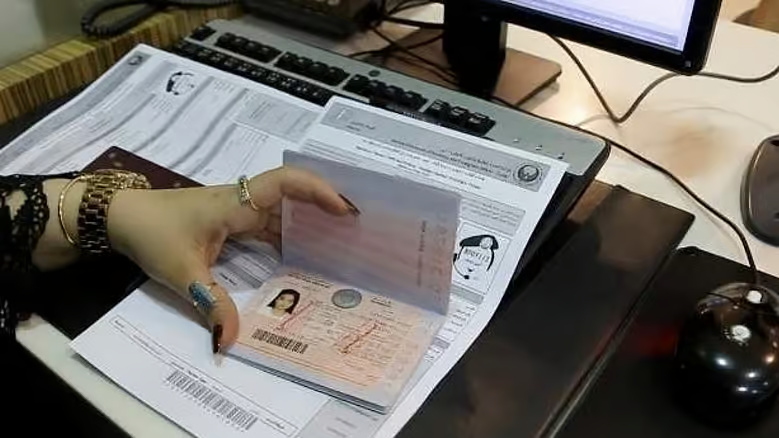
Dubai’s proposed smart medical visa could make it easier and faster for overseas patients to travel to the emirate for treatment, according to healthcare providers.
Hospital leaders told that the initiative could reduce paperwork, improve coordination between hospitals and government authorities, and create a smoother experience for patients seeking specialised care in Dubai
Shanila Laiju said the new visa could eventually function as a single digital gateway for patients, streamlining access to medical services and simplifying the treatment journey for those travelling to the UAE.
Shanila Laiju said a truly smart medical visa platform should prioritise making the patient journey as simple and stress-free as possible.
According to Dr Laiju, patients could use a single platform to manage visa applications, upload medical documents, receive appointment confirmations, and track application progress in real time.
She added that integration with healthcare providers could also allow patients to access treatment plans and estimated timelines before travelling to Dubai.
Dr Laiju noted that international patients increasingly expect the same level of digital convenience they experience in sectors such as banking, travel, and retail. She highlighted that virtual consultations, digital appointment scheduling, secure document sharing, and real-time updates are becoming essential in cross-border healthcare.
She further said she would like to see a fully integrated patient dashboard that consolidates visa status, appointment schedules, treatment milestones, travel details, and communication with healthcare providers in one place.
Convenience and confidence
Mohaymen Abdelghany said Dubai already attracts patients from across the GCC, Africa, Central Asia, South Asia, and parts of Eastern Europe.
He noted that international patients commonly travel to the emirate for specialised care including orthopaedics, oncology, cardiology, fertility treatments, women’s health services, advanced diagnostics, and preventive healthcare programmes.
“Convenience and confidence are major factors when patients choose a destination for treatment,” he said, adding that administrative requirements, travel arrangements, and uncertainty around entry procedures can sometimes delay treatment schedules. He stressed that simplifying these processes allows patients to focus on medical care rather than logistical challenges.
Reducing administrative procedures
Healthcare providers also believe the initiative could ease administrative workloads and improve operational efficiency.
Kishan Pakkal said the UAE already has efficient systems for international patients, including urgent medical visa pathways for time-sensitive cases.
He added that further digital integration could reduce procedural steps, improve coordination among stakeholders, and shorten processing times.
“Most importantly, it allows healthcare professionals to focus more on patient care and less on administrative procedures,” he said.
Dr Pakkal also noted that faster and more seamless visa processes could help patients begin consultations, diagnostics, and treatment sooner—particularly in cases requiring urgent intervention.
He said the initiative reinforces Dubai’s position as a healthcare destination combining advanced medical services with innovative government systems designed to make the patient journey smoother and more efficient.

