

Travellers are opting for shorter trips, regional holidays, and last-minute getaways.
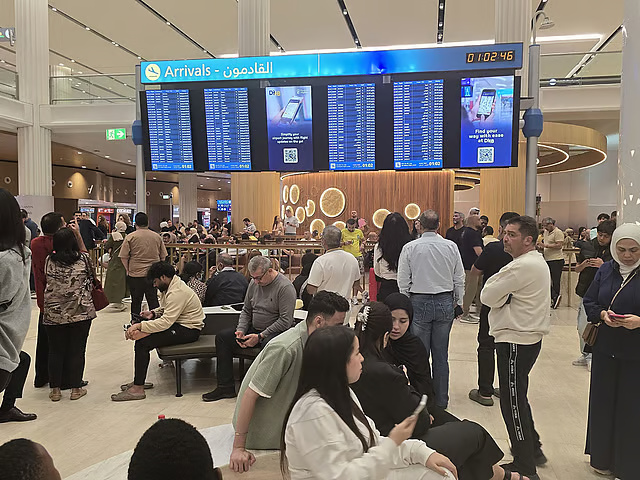
Dubai: With exactly one month remaining before schools across the UAE break for summer, families are entering one of the busiest travel booking periods of the year, but many are planning their 2026 holidays differently.
Across the aviation and travel industry, the sentiment is one of “cautious optimism.” UAE residents continue to travel in large numbers, but rising costs, geopolitical tensions, and visa delays are reshaping how and where people spend their summer holidays.
The trend is reflected globally as well, with international tourist arrivals rising by 2 per cent in the first quarter of 2026, despite disruptions from the Middle East crisis in March, according to the latest data from UN Tourism.
Some 307 million tourists travelled internationally in the first quarter of 2026, around 6 million more than the same period in 2025.
While the start of the year saw sustained travel demand overall, with 2.5 per cent cumulative growth in January and February, the Middle East conflict weighed on performance in March, which saw growth slow to 0.4 per cent.
The conflict is expected to reduce growth in international arrivals by 1 to 2 percentage points below UN Tourism’s initial forecast of 3 to 4 per cent for 2026, depending on the duration and scale of the disruption.
In addition to flight disruptions to, from, and within the Middle East and weakened traveller confidence, rising oil prices and jet fuel shortages in some markets are also pushing up airfares and limiting flight capacity in other regions.
Rising travel costs and uncertainty over air connectivity could shift demand toward closer destinations, while also weighing on overall travel demand.
UN Tourism Secretary-General Shaikha Al Nuwais said the ongoing conflict in the Middle East is disrupting travel patterns well beyond the region, contributing to rising inflation, particularly in transport and accommodation.
She added that this is putting pressure on travellers, businesses, and destinations, while noting that international tourism still showed resilience in the first quarter of 2026, with 307 million people travelling globally, a 2 per cent increase year-on-year despite uncertainty.
She further said that in a period of growing geopolitical and economic pressure, this underscores tourism’s broader role in supporting economies, creating opportunities, and sustaining communities far beyond the sector itself.
Travel shift
Travel companies say families are increasingly opting for shorter trips, nearby destinations, and flexible itineraries instead of costly long-haul holidays.
Global industry data reflects the same trend. Travel platforms including Airbnb and Expedia report that travellers are prioritising affordability, regional destinations, and activity-based holidays this summer, with many choosing to stay closer to home.
According to CNBC, concerns over geopolitical tensions and rising travel costs are also driving more travellers toward domestic and regional travel across Asia-Pacific.
Popular destinations
“Compared to last year, outbound travel demand has remained largely consistent,” Meher Sawlani of Richmond Travels told Gulf News. While there has been no year-on-year growth in passenger demand, she said overall interest in travel is steady and in line with last year’s figures.
She noted that UAE travellers continue to book holidays despite higher airfares and uncertainty in parts of the region.
“People are doing the US, although visa challenges remain. Japan saw strong demand during the cherry blossom season, while Europe, the Maldives, and Kenya are among the popular destinations,” she said.
However, Afi Ahmed, Chairman of Smart Travels, said the summer travel rush has yet to begin. “Travellers haven’t started booking en masse compared to last year’s trend. People are being more cautious about their spending,” he said.
Diaspora travel
Sawlani added that some UAE-based expatriate families are combining trips across multiple countries to maximise value. “Travellers are doing part of their holidays in their home countries and the other part in holiday destinations,” she said.
She noted that travel behaviour is also evolving, with passengers increasingly willing to accept longer transit times if it helps reduce costs or improve availability.
“Earlier, people preferred direct flights, but now they are open to routes with longer layovers if it makes travel more affordable,” she said.

What airlines are doing
Airlines are also preparing for the busy summer travel season.
Etihad Airways said it expects strong demand across its network in the coming months. The Abu Dhabi-based carrier has introduced additional baggage allowances and expanded check-in options to help ease congestion during peak travel periods.
Passengers using Etihad’s city or home check-in services in Abu Dhabi between May 19 and August 16 will receive 1,000 Etihad Guest Miles along with an extra 3kg baggage allowance.
Budget-conscious travellers are also keeping a close eye on airfare promotions ahead of the summer season. Air India Express recently launched a limited-period “Xpress Sale,” offering discounted fares across domestic and international routes, including flights between the UAE and India.
The airline said some tickets were reduced by up to 50 per cent for travel between June 15 and October 10, covering the peak summer travel period.
UAE staycations
At the same time, those who prefer not to travel abroad are finding no shortage of local experiences. Many UAE residents are increasingly opting for domestic luxury staycations instead of international trips.
Travel platform Wego said resorts across Ras Al Khaimah, Abu Dhabi, Dubai, Sharjah, and Umm Al Quwain are witnessing rising interest this summer as families opt for shorter breaks that avoid the stress of international travel.
Desert resorts, beach hotels, and luxury glamping properties are being actively promoted to UAE residents planning staycations.
Mehar said hotels in Ras Al Khaimah saw strong occupancy during Eid Al Adha, with many properties placed on stop-sale or fully booked due to high staycation demand. “Rates were very good during the Eid period, and discounts were mainly restricted to blackout dates,” she said.
She added that demand was not limited to leisure travel alone. “We saw a significant spike in demand. We also handled events, including corporate gatherings, MNC functions, and Eid employee programmes,” she said.
Travel trends
Globally, travel companies say travellers are increasingly prioritising experiences over traditional sightseeing holidays.
Airbnb notes that “playcations” — trips centred around hobbies and recreational activities — are emerging as a major trend this summer, alongside nostalgia-driven travel and shorter regional getaways.
Expedia also reports growing demand for domestic and nearby travel worldwide as travellers seek better value amid rising costs.
“This summer, travel isn’t slowing down — it’s being reshaped,” Expedia Group said in its latest travel trends report.
For UAE families now entering the final countdown to the school holidays, the travel industry’s message is clear: demand remains strong, but travellers are becoming increasingly selective and cautious about how they spend.

