

Driving the country’s net-zero ambitions, the reactors have emerged as a benchmark for transparency in the nuclear sector.
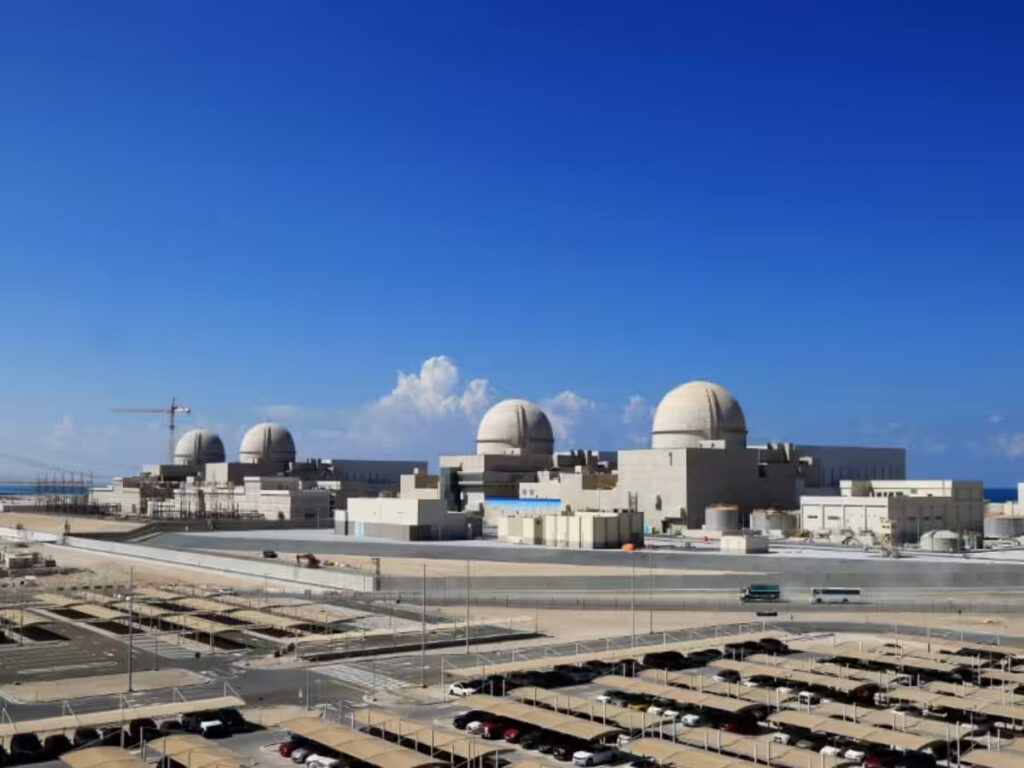
Abu Dhabi: The UAE has maintained its position as the world’s leading producer of clean electricity on a per-capita basis for six consecutive years.
A major contributor to this achievement is the Barakah Nuclear Energy Plant in Abu Dhabi, which generates approximately 75 per cent of the country’s clean electricity.
Located in the Al Dhafra region, the facility produces around 40 terawatt-hours of clean electricity each year, playing a vital role in strengthening the UAE’s energy security and supporting its long-term sustainability goals.
Barakah also supplies about 25 per cent of the nation’s total electricity demand, making it a cornerstone of the UAE’s transition to a low-carbon energy future.
Since all four reactors at the Barakah Nuclear Energy Plant began full commercial operations in September 2024, the facility has emerged as one of the world’s leading clean energy projects.
National policy
The UAE’s peaceful nuclear energy programme is guided by a national policy introduced in 2008, which is anchored in the highest standards of safety, security, transparency, and international cooperation.
In 2009, the UAE established the Federal Authority for Nuclear Regulation (FANR) as its independent nuclear regulatory body, while the Emirates Nuclear Energy Company (ENEC) was formed to oversee the development and operation of the country’s peaceful nuclear power programme.
Barakah also plays a key role in advancing the UAE’s climate goals.
The plant is expected to deliver nearly 24 per cent of the country’s targeted carbon emissions reductions, supporting the UAE’s pathway to achieving net-zero emissions by 2050.
UAE tops per-capita clean energy generation
UAE authorities have reaffirmed that the Barakah Nuclear Energy Plant continues to operate safely and normally, with all safety systems and operational procedures functioning as designed and approved.
Officials also underscored the UAE’s commitment to responsible and transparent cooperation with the International Atomic Energy Agency, including the regular exchange of technical information and adherence to international nuclear safety standards.
Attack on Barakah condemned
The UAE strongly condemned the attack targeting the Barakah Nuclear Energy Plant, describing it as a serious breach of international law and norms, as well as a direct threat to regional security, stability, and the safety of critical civilian infrastructure.
The country stressed that attacks on peaceful nuclear facilities constitute a dangerous escalation with potentially far-reaching consequences for regional and global security, while also posing risks to civilian populations and the environment.
The UAE called for a firm international response to reject and prevent such actions, stressing the need to safeguard critical civilian infrastructure and uphold international law.
The UAE and the International Atomic Energy Agency reaffirmed the importance of protecting peaceful nuclear facilities at all times and ensuring full compliance with international principles and legal frameworks governing their safety and security.
Both sides also emphasized the importance of exchanging expertise and lessons learned to support the continued development of peaceful nuclear energy programmes around the world.

