

Global specialists will now be able to practise in Dubai without establishing permanent clinics, bringing specialised care closer to patients.
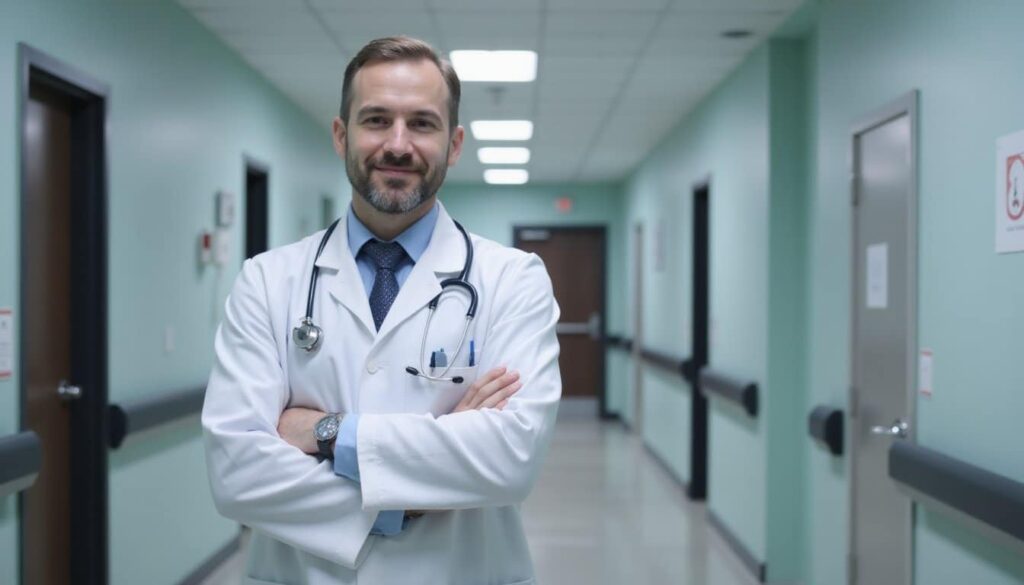
Dubai is witnessing a shift in the delivery of healthcare services, with new flexible clinical models enabling both overseas and UAE-based doctors to consult patients without setting up permanent practices in the city.
At the centre of this transformation is C37, a private medical workspace in Dubai Healthcare City that is redefining how specialist care is accessed across the emirate through its renewed expansion efforts.
Access to C37 is offered through a membership model. Physicians who join can benefit from operational support services, including on-site management guidance, strategic consulting, and assistance with accounting, banking, legal and marketing requirements.
Dr Mohamed Elbaz, Medical Director of C37 at Dubai Healthcare City, said the initiative reflects changing demands in healthcare delivery.
“Healthcare delivery has traditionally been centred around fixed hospitals and clinics, but there is a growing need for more flexible models that can connect patients with specialised expertise more efficiently. C37, the UAE’s first private medical workspace of its kind, fully managed and operated by DHCC, was developed to address this need by providing a convenient model for both patients and practitioners,” he said.
Dr Elbaz explained that the platform allows doctors to practise in a clinical setting without the burden of setting up and managing their own facilities.
“The platform enables visiting and UAE-based doctors to work within a fully managed and regulated clinical environment, without the need to establish a permanent clinic of their own,” he said.
“For patients, this means easier access to a broader range of specialists and services within DHCC, supported by clinical facilities, administrative teams and referral pathways.”
He added that the presence of both local and international doctors at C37 strengthens Dubai’s position as a global healthcare destination.
“The presence of leading local and international doctors at C37 represents a foundational step towards strengthening Dubai’s position as a global destination for advanced healthcare and medical innovation, while bringing world-class expertise closer to the community,” he said.
Dr Elbaz noted that the model is designed to improve patient experience by making specialised care more accessible and easier to navigate within a trusted healthcare ecosystem.
Reducing barriers for international doctors
According to Dr Elbaz, international specialists often face several challenges when entering a new healthcare market.
“For international doctors, entering a new healthcare market often involves licensing requirements, visa procedures, securing clinical space, recruiting support staff, managing bookings and handling day-to-day operations. These steps can be both time-consuming and costly, especially for specialists who wish to consult in Dubai on a flexible or visiting basis,” he said.
He explained that C37 streamlines the process by offering a fully managed environment that includes clinical space, nursing and administrative support, appointment management, billing and collections, IT services, medical malpractice insurance, and assistance with visas and professional licensing.
The platform also offers flexible daily, weekly and monthly arrangements, allowing doctors to practise in Dubai according to their schedules and patient demand while remaining within a regulated healthcare framework.
Bringing global expertise closer to UAE patients
Dr Elbaz said models such as C37 reduce the need for patients to travel abroad for specialised consultations.
“Platforms like C37 help bring international expertise closer to patients in the UAE and the wider region, reducing the need to travel overseas for specialist consultations or medical opinions,” he said.
He added that the system supports continuity of care and provides patients with access to second opinions from global specialists.
“This is particularly relevant for patients seeking highly specialised expertise, second opinions, or continuity of care with doctors who practise across multiple countries. By hosting visiting international specialists alongside UAE-based doctors, C37 supports a more connected model of care.”
The initiative also reinforces Dubai’s role as a regional healthcare hub by making international medical expertise more accessible within the local healthcare ecosystem.
A shift towards ‘on-demand’ healthcare
For doctors already based in the UAE, Dr Elbaz said the platform creates opportunities for part-time consultations and specialist collaborations without the operational burden of running an independent clinic.
“It gives doctors flexibility while still providing patients with care in a professional environment,” he said.
He added that the model also allows healthcare providers to respond more dynamically to fluctuations in patient demand without compromising governance, quality or safety standards.
Complementing traditional healthcare systems
While healthcare differs from industries such as technology because of its strict regulatory requirements and direct impact on patient safety, Dr Elbaz said flexible models can still operate within robust governance frameworks.
“Healthcare can adopt some of the flexibility seen in other industries, provided it is done within a regulated framework. C37 is an example of this approach. It does not replace proper clinical infrastructure, but instead gives doctors more flexible access to it,” he said.
He stressed that the future of healthcare is unlikely to replace hospitals and clinics, but rather to complement them through new care delivery models.
“Flexible medical workspaces can help doctors practise more efficiently, support patient access to specialised care and allow healthcare systems to respond more quickly to changing demand, while maintaining the standards required in a clinical setting,” he added.

