

Experts say shared meals and family gatherings are more than just tradition — they can help rewire the brain for happiness.
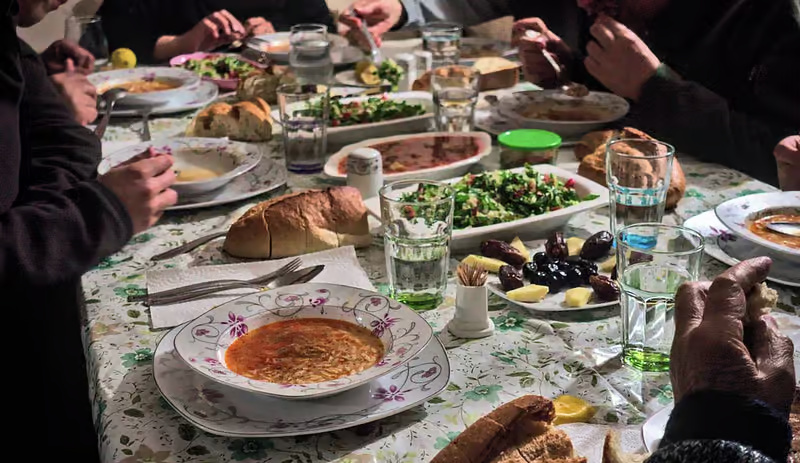
As families and friends across the UAE come together to celebrate Eid Al Adha, neuroscientists say these moments of connection offer more than festive joy — they provide important benefits for the brain.
Dr Eleni Margioti, neuropsychology lead at The Brain and Performance Centre, said spending meaningful time with loved ones can trigger positive neurological responses. “We see the release of oxytocin, often called the bonding hormone, which helps strengthen trust and social connection,” she explained. “At the same time, activity in the amygdala — the part of the brain associated with stress — decreases, while the prefrontal cortex becomes more active, supporting clearer thinking and better emotional regulation.”
In simple terms, human connection helps the brain feel safer, calmer and more focused. Maryam AlBarguthi, clinical psychologist at Sage Clinics, explained it in relatable terms: “When we spend time with people we feel safe with, the body shifts from a state of tension into calm — like going from having ‘100 tabs open’ to just one tab playing soft music.”
Experts say these connections become even more important during periods of uncertainty and stress. Long-term stress can raise cortisol levels, affecting memory, concentration and overall mental wellbeing. However, strong family and social bonds can help counter those effects. “Feeling supported helps regulate the nervous system and allows the brain to maintain balance, even during challenging periods,” said Dr Eleni Margioti.
Maryam also noted that for many expats in the UAE who live far from their loved ones, meaningful friendships can provide the same emotional benefits as family ties. “The brain isn’t overly concerned with titles — it responds to safety and connection,” she said. “For many expats, close friendships become a chosen family. When there is genuine emotional closeness, the brain reduces stress levels and strengthens the sense of belonging. So yes, your ‘work bestie’ may actually be doing more for your mental health than your morning coffee.”
For those spending Eid away from their families, both experts recommend staying intentionally connected through video calls, voice notes or meaningful conversations. “The brain responds to the quality of connection, not just physical proximity,” said Dr Eleni Margioti.
The kind of gathering matters
Experts say consistency is more important than the amount of time spent together. According to Maryam AlBarguthi, even 20 to 30 minutes of genuine connection each day — whether sharing a meal, laughing together or talking without distractions — can make a noticeable difference. “It doesn’t have to be elaborate,” she said. “The brain responds to presence, not perfection. Think of it as your daily emotional recharge — no fancy planning, just fewer phones and more eye contact.”
When it comes to the most beneficial bonding activities, Dr Eleni highlighted those that combine emotional connection with active engagement. “This could include cooking together, walking, playing games, exercising or simply having meaningful conversations,” she said.
She explained that such interactions stimulate both cognitive and emotional functions while strengthening relationships. “Meaningful human connection is not optional,” she added. “It is essential for a healthy, resilient brain.”

