

Prolonged disruption could trigger deeper supply shocks, sharp fuel price increases, and broader economic strain.
International Energy Agency Executive Director Fatih Birol has warned that the global oil market could enter a “red zone” by July or August if disruptions in the Strait of Hormuz persist and supplies do not recover.
The warning comes amid a prolonged disruption following the US-Israeli war with Iran, with the crisis now stretching into its fourth month and placing growing pressure on global energy flows.
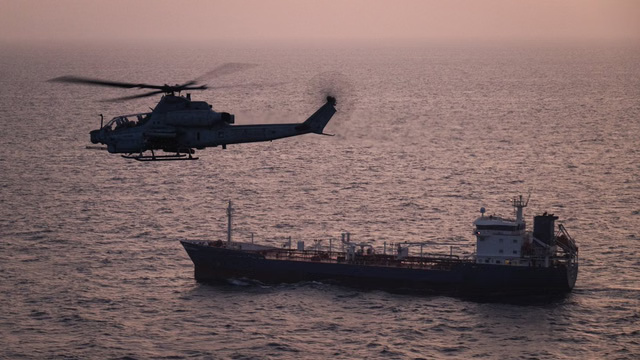
The Strait of Hormuz — a critical maritime chokepoint through which around one-fifth of global seaborne oil and gas passes — has reportedly remained heavily restricted after Iran blocked traffic following joint US-Israeli strikes in late February.
Birol cautioned that continued disruption could drain emergency reserves, tighten supply further, and trigger significant fuel price spikes and wider economic strain across global markets.
Speaking at the Chatham House in London, Fatih Birol of the International Energy Agency said the only viable solution to the crisis is the “full and unconditional” reopening of the Strait of Hormuz, according to multiple media reports.
He also cautioned that even if tensions ease, repairing damaged production and refining infrastructure across West Asia could take several months — and in some cases more than a year — to fully restore.
The “red zone” refers to a high-risk condition in global oil markets where supply buffers become critically thin. In this scenario, emergency reserves are significantly depleted while demand remains high, reducing the system’s ability to absorb any further disruptions.
In practical terms, it signals a market environment where even small supply shocks can trigger sharp price volatility, potential fuel shortages, and wider economic disruption, rather than a straightforward prediction of runaway oil prices.
The International Energy Agency and its member countries have already released around 400 million barrels from strategic petroleum reserves since March in an effort to stabilise global markets—more than double the emergency release during Russia’s invasion of Ukraine in 2022.
However, Fatih Birol warned that the scale of disruption linked to the Strait of Hormuz crisis is significantly larger. He said that around 14 million barrels per day have effectively been removed from global supply due to the conflict, describing it as one of the most severe energy disruptions in modern history.
Brent crude, the global oil benchmark, has climbed above $100 per barrel, up from around $72 before the war.
Analysts warn that prices could surge beyond $120 if fighting resumes or if shipping through the Strait of Hormuz remains heavily restricted into July.
Fuel costs have already risen across Asia, Europe, and Africa, while airlines globally are facing sharply higher jet fuel prices during the peak summer travel season.
In India, aviation turbine fuel prices rose significantly in April and May, prompting authorities in cities such as Delhi and Mumbai to reduce taxes in an effort to cushion travellers from further fare increases.
The impact of rising oil prices has also been felt in the United States, where gasoline prices reportedly reached record highs earlier this year.
US President Donald Trump said on Thursday that Washington has “total control” of the Strait of Hormuz through its naval blockade, adding that Iran would not obtain a nuclear weapon or face “something drastic” if it did.
Meanwhile, reports indicate that Tehran has considered imposing transit fees on vessels passing through the strategic waterway. However, Washington has maintained that the Strait of Hormuz must remain fully open and free of restrictions or charges.
Diplomatic efforts remain stalled despite the April 8 ceasefire, with negotiations showing little progress.
The United States continues to demand that Iran surrender its enriched uranium stockpile and dismantle its nuclear programme, while Tehran is seeking sanctions relief and compensation for war-related damages.
Energy analysts warn that even a limited resumption of hostilities—particularly strikes targeting oil infrastructure, ports, or shipping routes—could trigger further shocks in already strained global energy markets.
They also note that even if the Strait of Hormuz were reopened immediately, it could still take weeks or months for supply chains, insurers, and shipping operators to fully stabilise and return to normal conditions.

