

Rising cargo volumes and the launch of new routes are strengthening Abu Dhabi’s position as a global logistics hub..
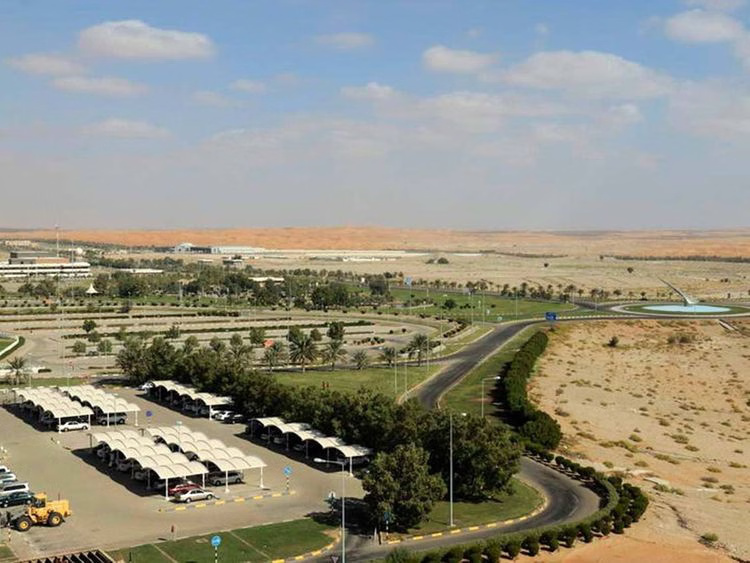
In Abu Dhabi, Abu Dhabi Airports has welcomed Thailand-based all-cargo carrier K-Mile Air to Zayed International Airport, following the start of freighter operations on May 4, 2026.
The airline will operate five weekly flights using a Boeing 767 freighter to Chiang Mai International Airport and Mae Fah Luang Chiang Rai International Airport. This marks the first direct air cargo connection between Abu Dhabi and northern Thailand, expanding Zayed International Airport’s global freighter network to 36 destinations.
K-Mile Air’s new services launched amid strong freight growth at Zayed International Airport.
During the most recent 7-day reporting period (27 April–3 May), cargo traffic at Zayed International Airport increased significantly, rising from 1,878 tonnes per day at the start of the year to 2,216 tonnes per day—an overall growth of 18%.
This surge has been driven largely by strong demand for freighter operations, which have grown 119%, climbing from a baseline of 389 tonnes per day to 851 tonnes per day currently.
At Zayed International Airport, freighter cargo now accounts for 38% of total throughput, rising 21% above baseline levels and accompanied by a 42% increase in daily freighter movements—reflecting the agility and strategic readiness of Abu Dhabi’s aviation infrastructure.
Incoming freighter volumes averaged 612 tonnes per day, marking a growth of around 91% over the period, while outbound volumes reached 239 tonnes per day, surging 251% over the same timeframe.
Wide-body freighter operations have also expanded by approximately 55%, reaching 17 movements per day as the airport continues scaling up to handle larger long-haul cargo shipments.
Ahmed Juma Al Shamisi, CEO of Abu Dhabi Airports, said the organisation is playing a key role in maintaining the flow of goods through Abu Dhabi and expanding the global reach of both Zayed International Airport and Al Ain International Airport, which is increasingly developing into a regional logistics hub.

He noted that despite global market volatility, freighter cargo volumes have more than doubled, reflecting strong operational readiness and the ability to scale quickly in response to demand. He added that this growth highlights the strength of Abu Dhabi’s aviation hubs as reliable gateways for international trade.
In addition to rising volumes, Abu Dhabi Airports continues to expand its global network, with its freighter operations now serving 36 destinations worldwide.
The expansion of the network, alongside the entry of new operators, further strengthens Abu Dhabi’s position as a preferred hub for global logistics integrators.
By offsetting external market fluctuations through increased freighter capacity and recovery in wide-body operations, Abu Dhabi Airports continues to support the UAE’s economic diversification agenda and reinforce its standing as a leading global logistics hub.
The strong growth in dedicated freighter operations is also reflected in full-quarter performance data. Across the network operated by Abu Dhabi Airports, total cargo volumes rose 4.2% year-on-year in Q1 2026, reaching 171,794 tonnes.
At Zayed International Airport, dedicated freighter cargo increased 11.4% over the same period, reaching 58,128 tonnes.
Al Ain International Airport recorded even stronger cargo growth, with tonnage rising 45.9% year-on-year—highlighting its increasing role as a key logistics hub.
Across the broader network operated by Abu Dhabi Airports, the first quarter of 2026 also saw a net addition of eight airlines, bringing the total to 36 carriers serving 127 destinations from Abu Dhabi.

