

Shipping bottlenecks and energy risks disrupt trade flows as Gulf routes come under renewed pressure.
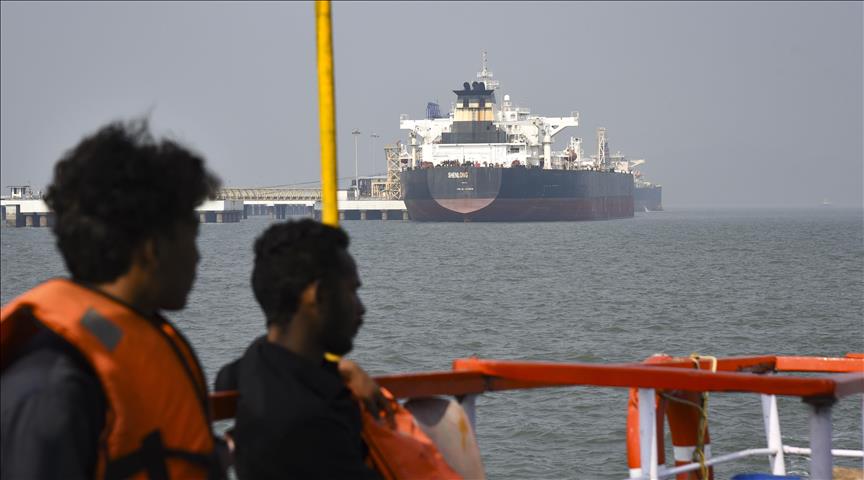
Dubai: Trade flows across the Middle East are coming under growing pressure as geopolitical tensions disrupt key shipping routes, sparking concerns over whether the disruption will permanently alter global commerce or remain short-lived.
A new analysis by PwC highlights how rising risks around the Strait of Hormuz — a vital route for energy and industrial commodities — have exposed deep structural weaknesses in the region’s logistics networks.
Nearly one-fifth of the world’s seaborne jet fuel and natural gas moves through the strait, along with major volumes of ammonia, sulfur and aluminium, reinforcing its position as one of the most critical trade corridors globally.
The latest disruption, triggered by regional escalation and airspace closures, differs from earlier supply-chain shocks in both scale and complexity.
While container cargo can often be rerouted — though at higher costs and longer transit times — liquefied natural gas shipments depend on specialised infrastructure and offer far less flexibility.
As a result, disruptions threaten both immediate supply shortages and longer-term price pressures as buyers compete for alternative sources.
This double impact — supply loss followed by rising costs — is already beginning to ripple through global supply chains.
System under strain
During earlier disruptions in the Red Sea, shipping networks adapted by rerouting millions of containers through alternative corridors. That flexibility came at a cost — longer transit times, higher freight rates and greater operational complexity. The disruption around the Strait of Hormuz presents a far more fundamental challenge.
Access to key gateways itself can be restricted.
Cargo volumes have dropped sharply, with around 0.5 million containers stranded across Gulf logistics networks.
Inland transport and multimodal alternatives are now being pushed to absorb the pressure.
The result is a system that remains operational, but is becoming increasingly strained.
Resilience to reinvention
PwC argues that the region’s response so far reflects “responsive resilience” — the ability to reroute cargo, activate backup corridors and keep operations running under pressure. But the firm says that alone is no longer enough.
“Responsive resilience alone is no longer sufficient,” the report noted, stressing the need for structural change in how trade networks are designed and managed.
The next phase, it suggests, will require:
- Investment in alternative trade corridors
- Greater integration of rail, ports and aviation networks
- Wider adoption of digital supply-chain tools for real-time visibility
- Stronger cross-border coordination across Gulf economies
This shift reflects a broader global move toward “corridor resilience,” where reliability during disruption becomes just as important as speed or cost.
Fragmentation, opportunity
The disruption comes as global trade enters a more fragmented phase, shaped by geopolitical tensions, tariffs and shifting alliances. For the Middle East, that creates both risks and opportunities:
- Some trade flows may not return to pre-crisis patterns
- New routes and partnerships could emerge, reshaping regional trade maps
- Competition between trade corridors is likely to intensify
At the same time, the region’s major investments in ports, rail networks and digital logistics systems could help it capture new trade flows — provided it can deliver both reliability and integration.
Executives in the transport and logistics sector remain cautiously optimistic, with a majority expecting domestic growth to strengthen despite continued short-term volatility, according to survey data from PwC.
Strategic pivot
The longer-term question is whether the current disruption will accelerate a deeper structural shift in global trade. PwC sees this moment as a potential inflection point:
- Moving from a transit hub to an integrated trade ecosystem
- Expanding value-added logistics and industrial capacity
- Reducing reliance on single chokepoints
The stakes are significant. Trade disruptions, climate risks and technological change are already forcing industries across the region to adapt, with hundreds of billions of dollars in economic value at stake.
Whether the latest disruption becomes a lasting turning point will depend on how quickly governments and businesses can turn short-term fixes into long-term strategy. For now, the system continues to adjust — but under growing pressure.

