

The research focused on glioblastoma, one of the most aggressive and deadliest forms of brain cancer.
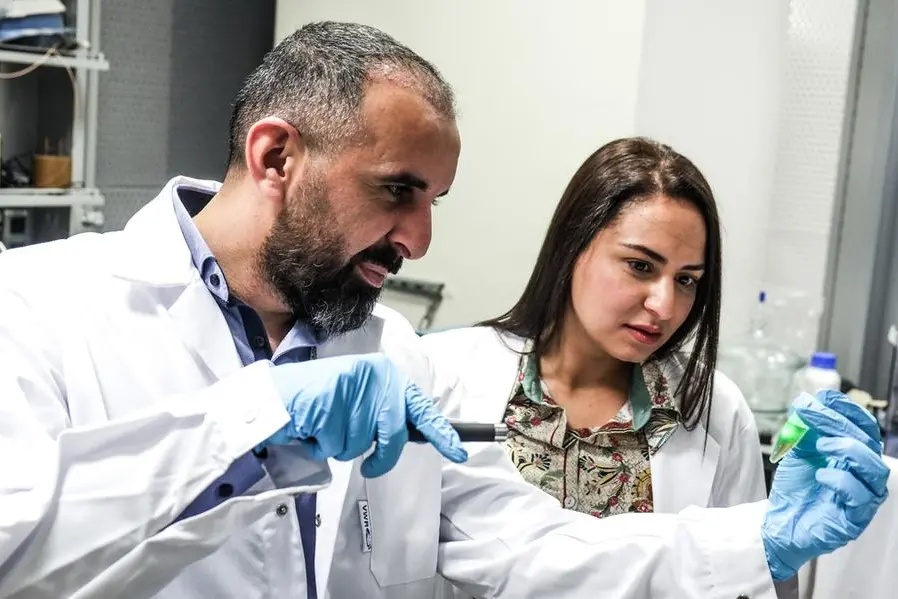
One of the biggest challenges in treating brain cancer is clearly identifying the tumour and ensuring medicine reaches it effectively. Researchers in Abu Dhabi say they may have found a way to tackle both problems at once.
A team at New York University Abu Dhabi has developed smart molecules that made brain tumours visible on MRI scans while also helping destroy cancer cells in laboratory tests and animal studies. The findings were published in the Journal of the American Chemical Society.
The research focused on Glioblastoma, one of the most aggressive forms of brain cancer. It is the most common malignant brain tumour in adults and remains difficult to treat because it grows rapidly and spreads into nearby brain tissue. Despite surgery, radiotherapy, and chemotherapy, survival is often only 12 to 18 months after diagnosis, according to widely cited medical studies.
“Our goal was to create materials that allow doctors to see cancer clearly and treat it at the same time,” lead researcher Farah Benyettou told Khaleej Times. “The ability to image and target brain tumours with high precision is particularly exciting.”
The team said the molecules remain inactive in healthy tissue but switch on once they reach tumours, where the environment is slightly more acidic. Once activated, they release manganese ions that enhance MRI scan contrast, helping doctors detect the tumour more clearly. At the same time, they trigger a therapeutic effect that damages cancer cells.
Another major challenge in brain cancer treatment is the blood-brain barrier — the body’s natural defence system that prevents many drugs from reaching the brain.
The New York University Abu Dhabi team said their molecules were able to cross that barrier and accumulate inside glioblastoma tumours, which could make future treatments more precise.
“What makes these molecules unique is not only that they perform two functions at once, but also how they are built. Unlike traditional drugs, which are usually small and simple in shape, these molecules have unusual interlocked structures that allow them to behave differently inside the body,” Benyettou said.
The work is still in its early stages and is not yet ready for hospital use. More safety testing, dose studies, and larger trials will be needed before any human treatment can begin.
“In our case, these structures showed strong imaging performance along with encouraging safety and clearance in preclinical studies,” Benyettou added.
Still, the findings support the UAE’s growing ambitions in medical research.
Abu Dhabi has increased investment in life sciences, genomics, and advanced healthcare in recent years through institutions such as Department of Health – Abu Dhabi, Cleveland Clinic Abu Dhabi, M42, and several university research centres.
“It is very meaningful to achieve this work from Abu Dhabi,” Benyettou said. “It shows the UAE can contribute at the highest level to solving global health challenges, especially in areas like precision medicine.”
If future trials succeed, doctors may one day be able to detect and treat certain tumours using the same tool.

