

For some residents, the decision ultimately comes down to balancing rent costs with daily travel time.
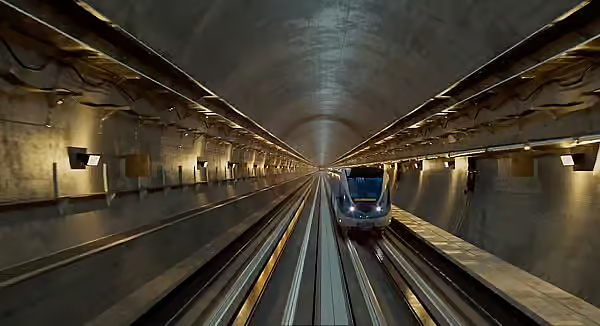
For years, many Dubai residents chose to live closer to central areas to avoid long and unpredictable commutes. But as the Metro network expands, that trend could begin to shift.
The change comes as the emirate rolls out major transport expansion plans, including the upcoming Dubai Metro Gold Line, which is expected to serve 15 areas and benefit around 1.5 million residents.
Improved public transport is making it easier to travel longer distances, bringing areas that once seemed too far within reach. “Ensuring an emerging area is well connected will help sway those decisions in favour of more ‘out of the way’ places,” said Mustafa Aldah, an urban planning expert. He added that residents could benefit from lower housing costs and a different lifestyle.
From location to connectivity
Real estate experts say people are now looking beyond location alone and placing greater importance on how well an area is connected. “It’s no longer just about location in terms of prestige, but about how well-connected a community is to the rest of the city,” said Abdullah Al Shaibani of Alphabeta Properties.
He added that properties near Metro stations often see stronger demand, especially from professionals and young families.
More areas coming into focus
Areas once considered less attractive are now drawing more attention as transport links improve. Experts pointed to a similar trend after the launch of the Red and Green lines, when places like Jumeirah Lakes Towers, Dubai Marina, and parts of Al Barsha saw increased demand as commuting became easier.
“Improved connectivity tends to unlock value in surrounding districts,” said Al Shaibani, adding that such areas often become more established over time.
Residents balancing cost and commute
For some residents, the decision comes down to balancing rent with travel time. Experts said that with more reliable public transport, some may consider moving farther from central areas if it means getting a bigger home or paying lower rent without significantly increasing their daily commute.
“Many are now actively prioritising properties within walking distance or a short commute to a metro station, as it directly impacts their daily lifestyle and cost of living,” said Al Shaibani.
Less dependence on cars
Better connectivity could also reduce the need to rely on cars, allowing some residents to plan their work and home journeys around public transport.
Aldah said expanding Metro access could help some residents move towards a more car-free lifestyle, depending on where they live and work. “It could enable residents who want to live a car-free life to plan their residence and work life around this new ideal,” he said.
Gold Line could speed up the shift
With the upcoming Dubai Metro Gold Line, scheduled to begin operations in 2032, the shift towards newer and more affordable communities could accelerate.
Based on past trends, Al Shaibani said these areas are likely to see rising demand as connectivity improves.

