

Airfare hikes are driven by reduced regional and international flight options, coupled with higher operational costs such as fuel and insurance.
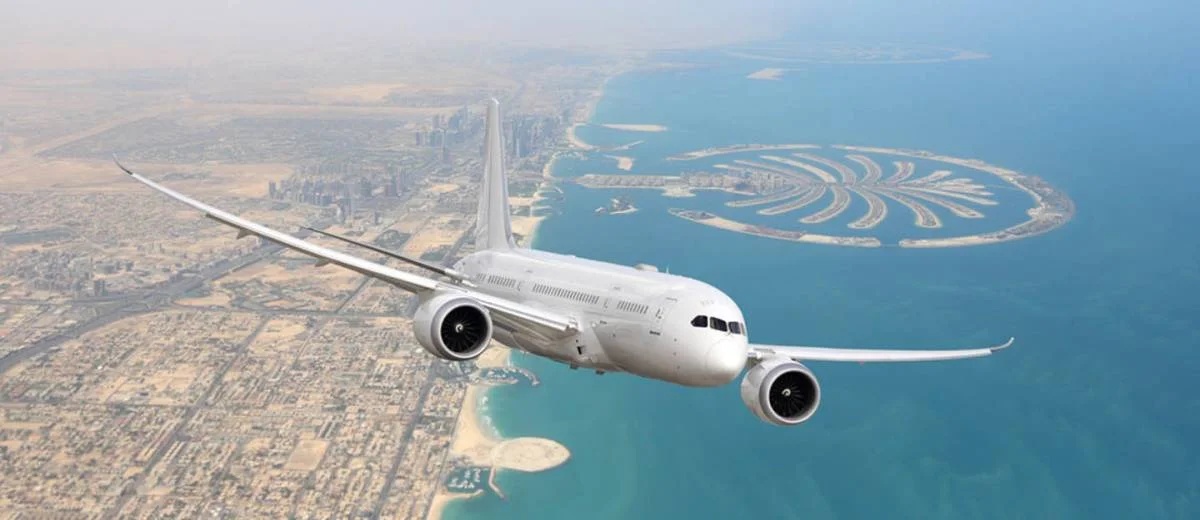
In recent weeks, ticket prices from the UAE have risen sharply, with agencies citing hikes of 15–25 per cent on average.
Airfare hikes are being driven by limited regional flights, decreased international connectivity, and rising operational expenses such as fuel and insurance.
Imtiaz Hussain Nasir, CEO of Pinoy Tourism, noted that while the recent fare increases are noticeable—particularly for families and multi-sector travelers—they have not dampened overall travel demand.
“What we are seeing is a shift in customer behaviour,” he said. “Travellers are comparing prices more carefully, making quicker decisions, and showing greater flexibility with travel dates and routes. Many are also booking earlier to avoid further increases.”
Nasir added that travel delays during recent disruptions have contributed to a surge in demand once flights resumed.
“Many travellers opted to postpone rather than cancel their plans. As operations gradually stabilise, this deferred demand is returning alongside new bookings, which naturally puts pressure on available seat capacity and can push fares higher,” he explained.
Rashida Zahid, Vice President of Operations at musaRino Steephen, Sales Manager and Partner at Azzam Travel and Tourism, attributed the surge in fares to limited competition and broader global pressures.
“Currently, most flights are operated by UAE-based carriers such as Emirates, Etihad, and Air India. With fewer international airlines operating, competition is reduced, which pushes prices higher,” he explained.
Popular destinations from the UAE include India, the Philippines, African countries, Turkey, Thailand, Georgia, Armenia, Malaysia, Singapore, and select European cities such as London, Paris, Milan, and Barcelona.
Steephen noted that flight availability is a key factor influencing fares. “When direct flights are limited, travellers are willing to opt for indirect routes, even if it means longer travel times and higher costs. This flexibility allows passengers to manage budgets while still reaching their preferred destinations,” he said.fir.com, highlighted a growing trend of strategic booking among travellers.
“Most passengers are now booking 8–10 days in advance to secure better fares,” she said.
“Prices typically surge in the final 3–5 days before departure, encouraging early planning. While direct flights remain the preferred choice for convenience, cost-conscious travellers are increasingly considering indirect routes when the savings are substantial,” she added.
Rino Steephen, Sales Manager and Partner at Azzam Travel and Tourism, attributed the surge in fares to limited competition and broader global pressures.
“Currently, most flights are operated by UAE-based carriers such as Emirates, Etihad, and Air India. With fewer international airlines operating, competition is reduced, which pushes prices higher,” he explained.
Popular destinations from the UAE include India, the Philippines, African countries, Turkey, Thailand, Georgia, Armenia, Malaysia, Singapore, and select European cities such as London, Paris, Milan, and Barcelona.
Steephen noted that flight availability is a key factor influencing fares. “When direct flights are limited, travellers are willing to opt for indirect routes, even if it means longer travel times and higher costs. This flexibility allows passengers to manage budgets while still reaching their preferred destinations,” he said.
Experts say rising airfares from the UAE are also being driven by global factors, including higher fuel costs, increased insurance premiums, and operational risks faced by airlines.
Despite the higher fares, booking patterns vary: some travellers with urgent plans continue to book immediately, while others are planning weeks in advance to secure better deals. Airlines are offering more flexible options for date changes and cancellations to help passengers adapt.
Looking ahead, Imtiaz Hussain Nasir noted that travel demand remains strong and is expected to recover steadily as operations stabilise.
“Travel has not disappeared; it has only been delayed. As more seats become available, we expect fares to remain elevated, particularly on high-demand routes with limited capacity,” he said.
Rino Steephen added that while UAE carriers are operating without seat restrictions, the limited presence of international airlines continues to influence pricing dynamics.
“If conditions stabilise in the coming weeks, prices could ease slightly, but much depends on how the situation evolves,” he concluded.

