

Specialists advise on monitoring blood glucose safely and recognizing warning signs during Ramadan fasting.
Fasting during Ramadan can be safe for many people living with diabetes, provided it is approached with careful planning, medical supervision, and mindful dietary choices.
Dr Ihab Eltayeb, Consultant Endocrinologist at Prime Hospital, Dubai, emphasises the importance of personalised guidance to prevent dangerous blood sugar fluctuations during the holy month. “Fasting with diabetes requires planning, awareness, and medical supervision,” Dr Eltayeb told Gulf News.
“With the right precautions, balanced nutrition, appropriate medication adjustments, and regular blood sugar monitoring, many people with stable diabetes can safely observe Ramadan.”
Other alternatives:
- “By taking proper precautions, maintaining balanced nutrition, adjusting medications, and monitoring blood glucose regularly, individuals with stable diabetes can fast safely during Ramadan.”
- “For those with stable diabetes, careful planning, diet management, medication tweaks, and consistent monitoring make fasting during Ramadan achievable and safe.”
1. Schedule a Pre-Ramadan Medical Assessment
Patients with diabetes should consult their physician before Ramadan. Reviewing blood sugar control, medications, insulin doses, and overall health helps determine whether fasting is safe and allows for any necessary adjustments in advance.
2. Adjust Medications Under Medical Supervision
Timing or dosage of insulin and oral diabetes medications may need to be modified to prevent hypoglycemia (low blood sugar) or hyperglycemia (high blood sugar). Any adjustments should be made only under a doctor’s guidance.
3. Know When Not to Fast
People with poorly controlled diabetes, frequent hypoglycemia, advanced complications, pregnancy, or severe illness may be advised not to fast. Consulting a healthcare professional beforehand is essential to assess individual risks.

4. Monitor Blood Sugar Regularly
Checking blood glucose levels during fasting does not break the fast. Regular monitoring—especially mid-morning, mid-afternoon, and two hours after Iftar—helps detect dangerous highs or lows early, allowing timely intervention.
5. Recognise Warning Signs
Be alert to symptoms such as dizziness, sweating, confusion, excessive thirst, blurred vision, or palpitations, which may indicate a blood sugar imbalance. If glucose levels fall too low or rise excessively, the fast should be broken immediately to prevent serious complications.
6. Choose Balanced, Low-Glycemic Foods
Opt for complex carbohydrates like whole grains and oats, along with lean proteins, healthy fats, and fiber-rich foods. These provide sustained energy and help prevent sudden drops in blood sugar. Avoid sugary and heavily processed foods to reduce the risk of sharp spikes and crashes during the day.
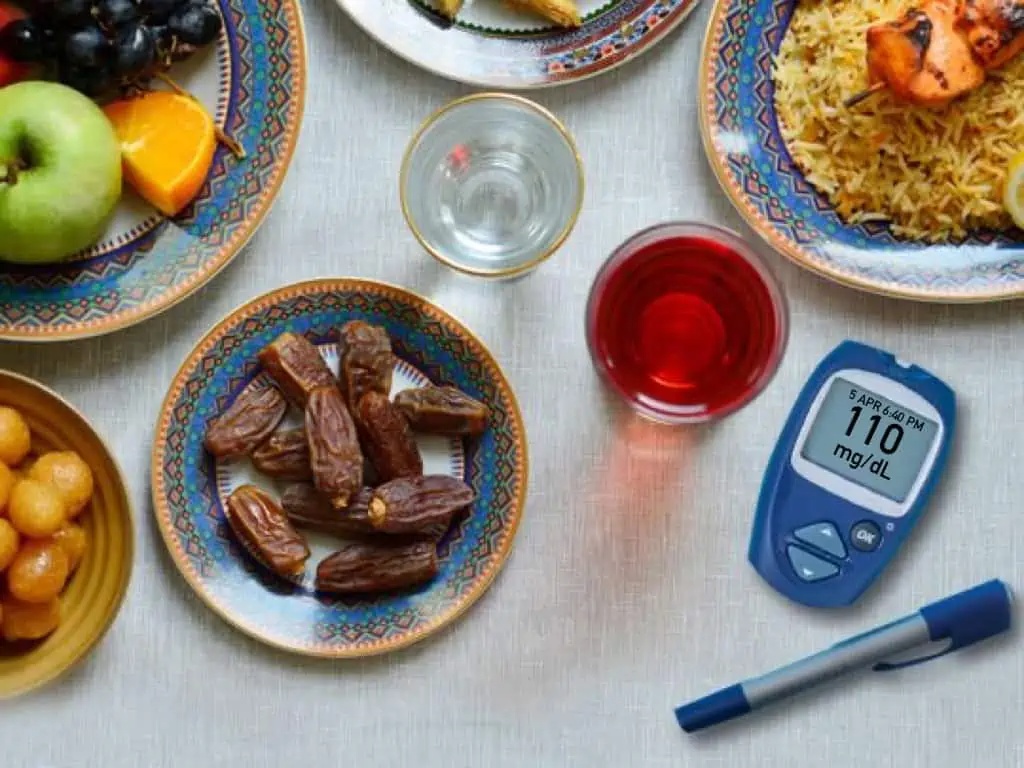
7. Break the Fast Wisely and Stay Hydrated
At Iftar, start with moderate portions including vegetables, lean protein, and whole grains. Limit fried foods, sweets, and sugary drinks. Maintaining adequate hydration between Iftar and Suhoor is essential to support overall health and stable blood sugar levels.
Dr Ihab Eltayeb emphasised that fasting decisions should always be personalised:
“Patients are encouraged to seek personalised advice from their healthcare provider to ensure a safe and healthy Ramadan,” he said.

