

Dubai’s Pricing Regulations Require Transparency: What Food Delivery Apps Must Reveal Before Checkout.
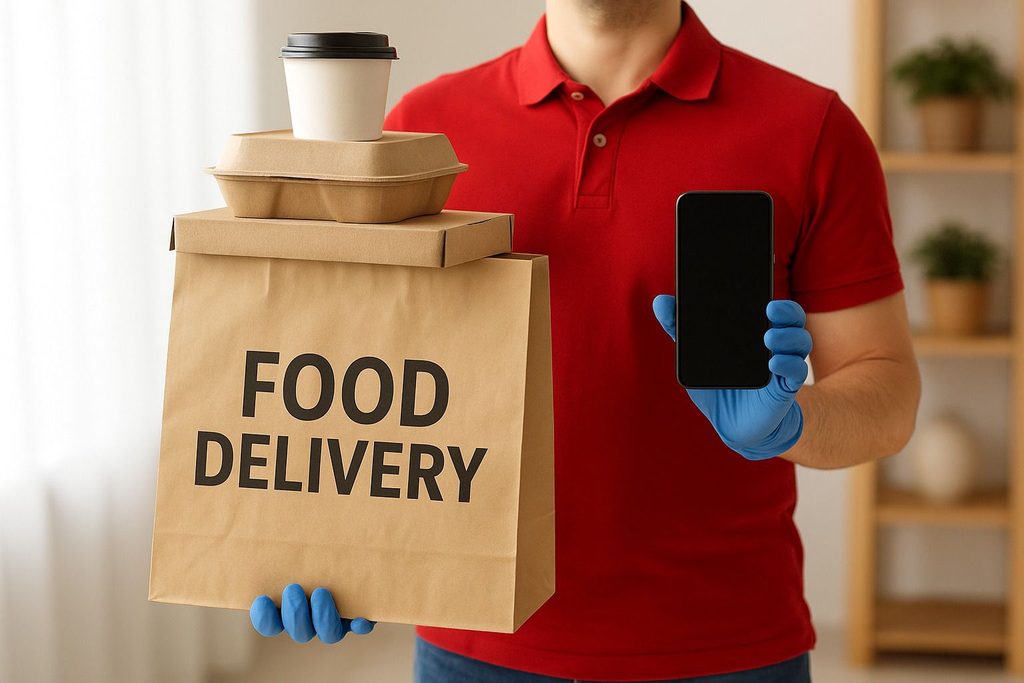
Dubai: You browse a food delivery app, select your favourite dishes and add them to your cart, expecting to pay the amount displayed on the menu. However, when you proceed to checkout, you may discover that the final bill is noticeably higher than anticipated.
Whether you are ordering lunch during a busy workday or enjoying dinner at home, additional costs such as delivery charges, platform fees and other surcharges can increase the overall price. Even promotions offering discounted meals or free delivery may include conditions that result in extra expenses.
So, why does your food delivery bill increase, what do these charges cover, and what regulations must delivery platforms follow in Dubai?
Why is your food delivery bill higher than expected?
When placing orders through platforms such as Deliveroo, Keeta, noon Food and other delivery applications, customers may encounter several charges beyond the advertised menu prices.
1. Delivery charges
Delivery fees cover the cost of transporting your food from the restaurant to your location. The amount can vary depending on the distance, delivery address and whether your order meets the requirements for complimentary delivery.
2. Platform service and convenience fees
Certain food delivery applications apply additional service or convenience charges separately from the cost of meals and delivery. These fees are generally associated with operating the platform and facilitating customer orders.
3. Small-order surcharges
Customers placing smaller orders may face an additional charge when their basket value falls below the minimum spending requirement established by the restaurant or delivery service.
This fee, often described as a small-order surcharge, can make purchasing a single meal or inexpensive item more costly.
4. Differences in restaurant menu prices
The price displayed for a dish on a delivery platform may not always match the amount charged when ordering directly from the restaurant.
Some restaurants adjust their prices on third-party applications to account for platform commissions and operational expenses.
As a result, customers may already be paying more for their meals before delivery and service charges are included.
5. Voluntary tips for delivery riders
Many food delivery platforms provide an option to leave a gratuity for the delivery rider.
Unlike compulsory delivery or platform charges, tipping is optional and should be clearly distinguished from other fees included in the final bill.
What regulations govern food delivery charges in Dubai?
In 2025, the Dubai Corporation for Consumer Protection and Fair Trade (DCCPFT) introduced guidelines aimed at improving transparency and fairness across online food delivery services.
Issued under Circular No. 2 of 2025, in accordance with Dubai Law No. 5 of 2023, the regulations seek to strengthen consumer protection while encouraging fair business practices between restaurants and delivery platforms.
The framework places particular emphasis on ensuring that customers understand the full cost of their orders before making payments.
What charges must delivery apps disclose before payment?
Under Dubai’s guidelines, food delivery platforms are expected to display a clear, itemised summary of all applicable costs before customers confirm their purchases.
This breakdown should include:
- Meal prices: The cost of food and beverages as determined by the restaurant.
- Delivery charges: The amount payable for delivery, including any variations based on location or other relevant factors.
- Service and convenience fees: Additional charges imposed by the platform, along with information explaining their purpose.
- Applicable taxes: Any taxes included in the transaction, such as value-added tax (VAT).
The regulations also require platforms to communicate additional fees, surcharges and pricing adjustments before an order is finalised.
Delivery applications cannot introduce previously undisclosed charges after a customer has completed payment.
Are discounts and free delivery promotions really free?
Promotional deals must also follow transparency requirements to ensure customers understand the terms before placing an order.
For instance, cashback promotions or discounts that can only be redeemed on subsequent purchases should clearly state their eligibility conditions, redemption requirements and expiry dates.
Similarly, offers advertising complimentary or reduced delivery charges should explain any applicable restrictions.
The guidelines also prevent delivery platforms from unfairly transferring the financial burden of customer subscription benefits, including discounted or free delivery programmes, to participating restaurants.
Do delivery riders receive all customer tips?
Dubai’s food delivery guidelines require that 100% of tips provided by customers must go to delivery personnel.
This means gratuities intended for riders must be passed on in full rather than being retained or deducted by the delivery platform.
What should customers do if they discover unexpected charges?
Customers who encounter unexplained fees, misleading prices or charges that were not disclosed before payment can submit a complaint directly to the food delivery platform.
Such complaints may involve unexpected delivery fees, unexplained service charges or additional costs linked to subscription programmes.
Under the guidelines, delivery platforms are expected to follow specific timelines when handling consumer complaints:
- Within three working days: The platform should acknowledge receipt of the customer’s complaint.
- Within seven working days: The complaint should be resolved, including issuing a refund when appropriate.
These requirements are intended to improve accountability and ensure customers have access to timely assistance when disputes arise over food delivery charges.
Tips to save money on your next food delivery order
Avoiding unnecessary charges on food delivery apps can be easier with a few simple precautions. Before placing your next order, consider these practical tips to keep your spending under control.
- Review the final bill carefully: Instead of focusing solely on the menu price or advertised discounts, check the total amount at checkout, including delivery charges, service fees and taxes.
- Look out for minimum-order limits: Some platforms impose additional fees when your order falls below a specified amount. Checking these requirements beforehand can help you avoid small-order surcharges.
- Understand promotional offers: Discounts and free delivery deals may come with conditions. Read the terms carefully, as complimentary delivery does not always eliminate service or convenience fees.
- Compare prices before ordering: Menu prices may differ between delivery applications and restaurants. Checking the restaurant’s own ordering platform could help you find a more affordable option.
- Check optional charges: Before completing payment, review your basket for additional selections, including rider tips or other optional extras, and make sure you are comfortable with the final amount.
The bottom line: The best way to avoid unexpected food delivery expenses is to examine the complete breakdown of charges before confirming your purchase. Paying attention to the final checkout amount, rather than just the advertised meal price, can help you make informed choices and manage your food delivery spending more effectively.

