

Holographic Displays, Sleek White Interiors and Emirati Heritage Unite at Saadiyat Island.
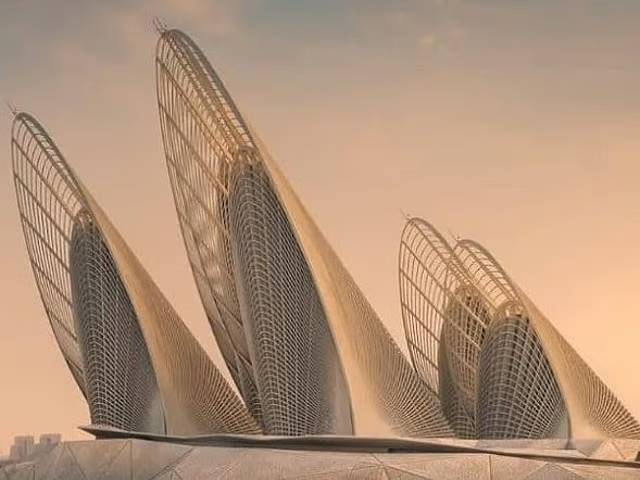
Abu Dhabi: Rising gracefully from a landscaped green mound on Saadiyat Island, the Zayed National Museum immediately captures attention with its five striking white structures stretching towards the sky.
Resembling the wings of a falcon preparing to take flight, the curved steel towers appear suspended in motion, reflecting the bird’s quiet strength, patience and elegance. Much like a falcon spreading its wings and waiting for the perfect breeze, the museum’s architectural design captures a sense of anticipation and movement.
The building also draws inspiration from the Gulf’s traditional approach to natural cooling. For generations, communities across the region relied on wind towers, locally known as barjeel, to capture cooler air from above and channel it into buildings, helping regulate indoor temperatures without modern cooling systems.
The Zayed National Museum brings this centuries-old cooling concept into contemporary architecture. Designed by internationally renowned architecture firm Foster + Partners, the museum features five aerodynamic towers inspired by falcon wings, incorporating principles of the traditional barjeel wind tower system.
Two visitors, two unique perspectives
As visitors approach the museum, its soaring structures create the impression of a falcon spreading its wings in flight. Rising between 83 and 123 metres, the five towers stand as striking symbols of strength, elegance and national pride.
For Mohammed Ajmal, a digital marketing manager visiting the museum, the building’s distinctive architecture offered countless opportunities to appreciate its design from different angles.
“I found myself wanting to pause and capture the details from different perspectives, because the building offers so many interesting compositions,” Ajmal said.
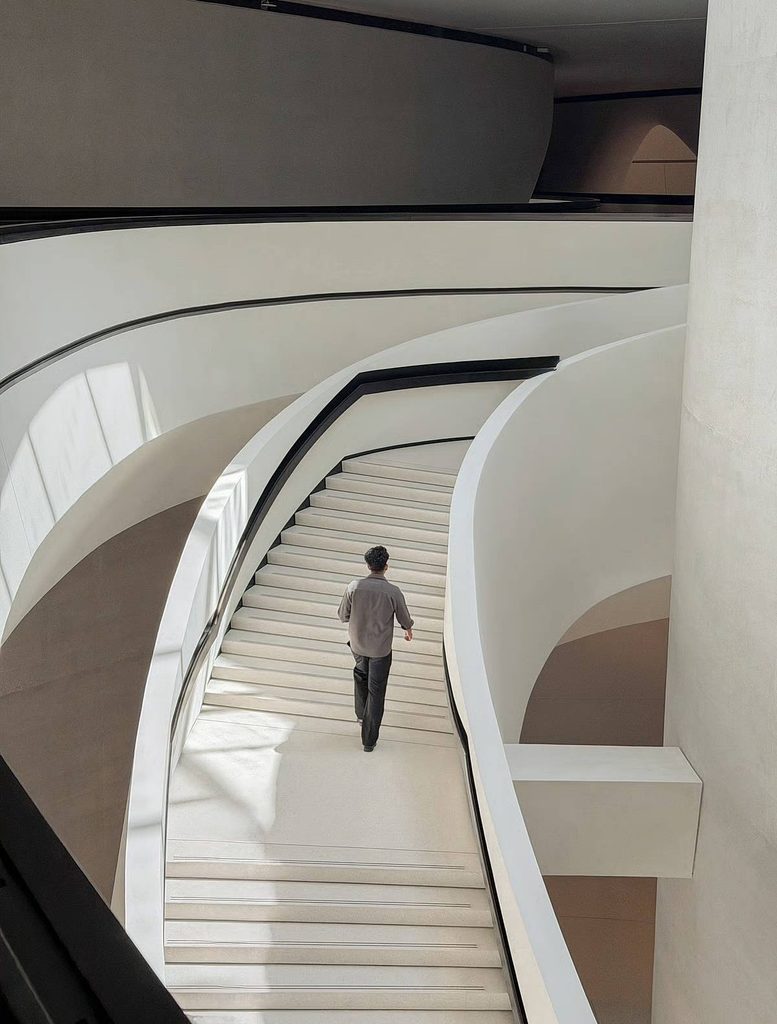
The museum’s original concept was sketched by renowned architect Norman Foster. Following approximately 15 years of construction, the landmark officially welcomed visitors on December 3, 2025, one day after the UAE’s National Day.
Ajmal described the museum as more than an architectural landmark, explaining that its carefully planned spaces, natural lighting, choice of materials and intricate design elements create an experience that goes beyond simply admiring a building.
Another visitor, Advait Bal, an Abu Dhabi-based solutions consultant, shared a similarly memorable experience while photographing the museum.
“Being inside the museum gives me a sense of calmness, admiration, and pride,” he said.
Inside the museum: Where light, space and design meet
Stepping inside the Zayed National Museum reveals an interior where modern architectural design combines with carefully considered lighting and expansive spaces.
According to Ajmal, the interaction between natural light and shadows adds character and depth to the museum’s interiors, turning a simple walk through the building into a visually engaging experience.
“As you move through the museum, the changing perspectives encourage you to slow down and appreciate your surroundings,” he explained.
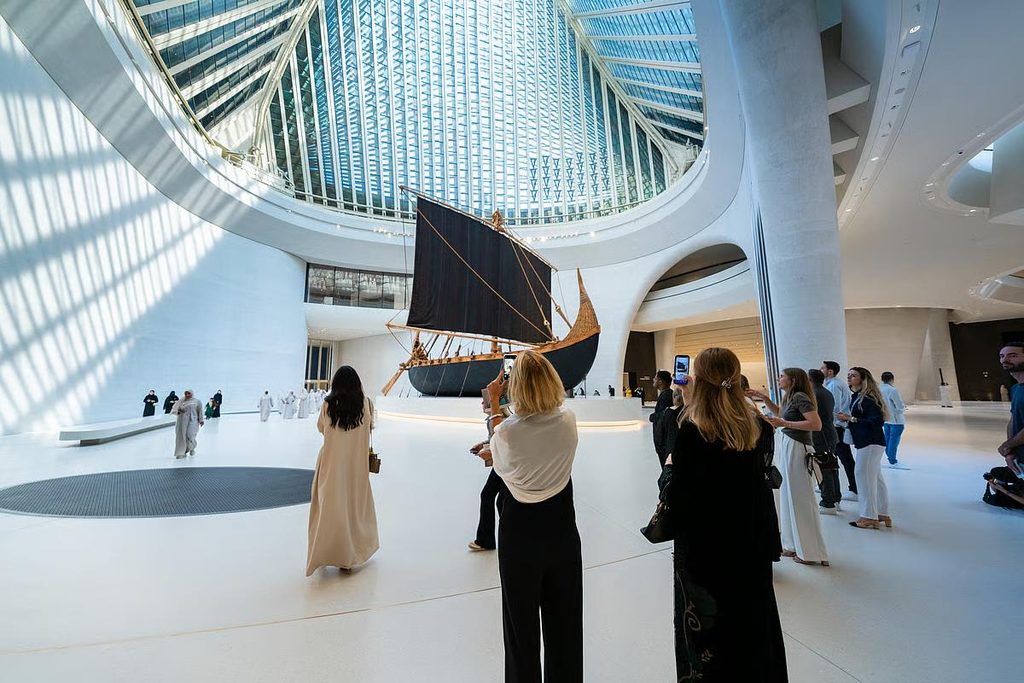
For Advait, the experience was equally meaningful. Walking across the museum’s bright white floors, he felt a strong connection between the building’s contemporary design and the UAE’s cultural identity.
“There is something powerful about being surrounded by a design that reflects the identity of the UAE,” he said.
The museum’s predominantly white interiors, spacious galleries and thoughtfully arranged lighting contribute to an atmosphere that feels both peaceful and futuristic.
Together, these architectural elements create a distinctive environment where visitors can appreciate the museum’s design while reflecting on the heritage and identity it represents.
For Advait, one of the most memorable aspects of the museum was the contrast between its futuristic appearance and the deeply personal stories preserved within its walls.
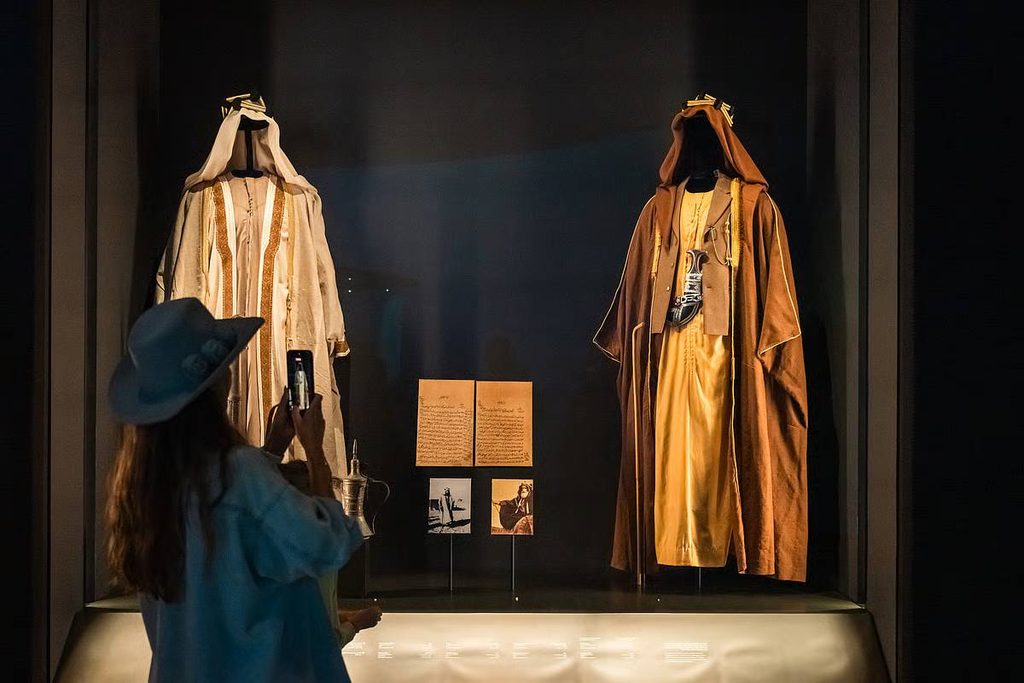
“The museum tells a deeply human story about the UAE, its roots, its people, and its journey,” he said. “The architecture feels like a vision of the future while the exhibits connect you to the nation’s past and identity.”
As the national museum of the United Arab Emirates, the landmark pays tribute to the country’s founding father, Sheikh Zayed bin Sultan Al Nahyan, while celebrating the nation’s rich history, cultural traditions and remarkable transformation.
The museum connects the UAE’s ancient heritage with its modern identity, using innovative technology to make the country’s history more accessible and engaging for visitors.
Advait noted that many exhibits feature interactive elements, including holographic displays and advanced digital technologies that bring historical narratives to life.
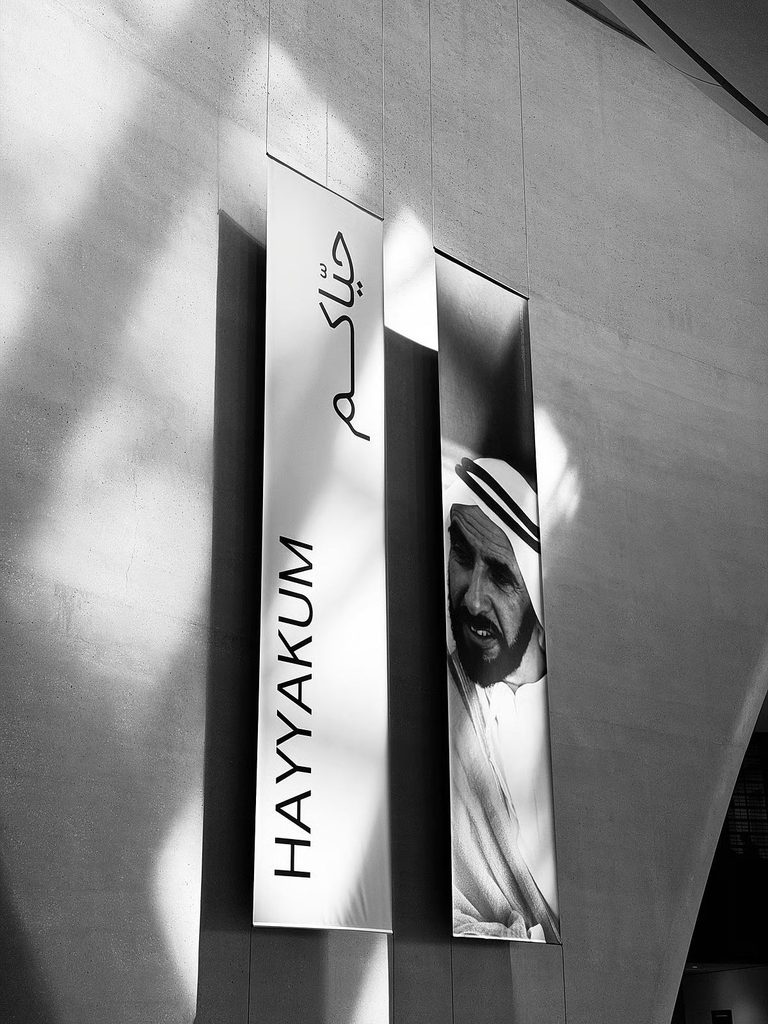
Rather than presenting heritage solely through traditional displays and glass-enclosed artefacts, the museum offers immersive experiences that allow visitors to engage more closely with the stories of the UAE’s people and past.
A breathtaking moment beneath the dome
When asked which experience left the strongest impression, Advait recalled standing in the middle of a circular theatre and gazing upwards at its beautifully designed dome.
The architectural setting created an overwhelming sense of wonder, leaving him deeply moved by the combination of contemporary design and cultural heritage.
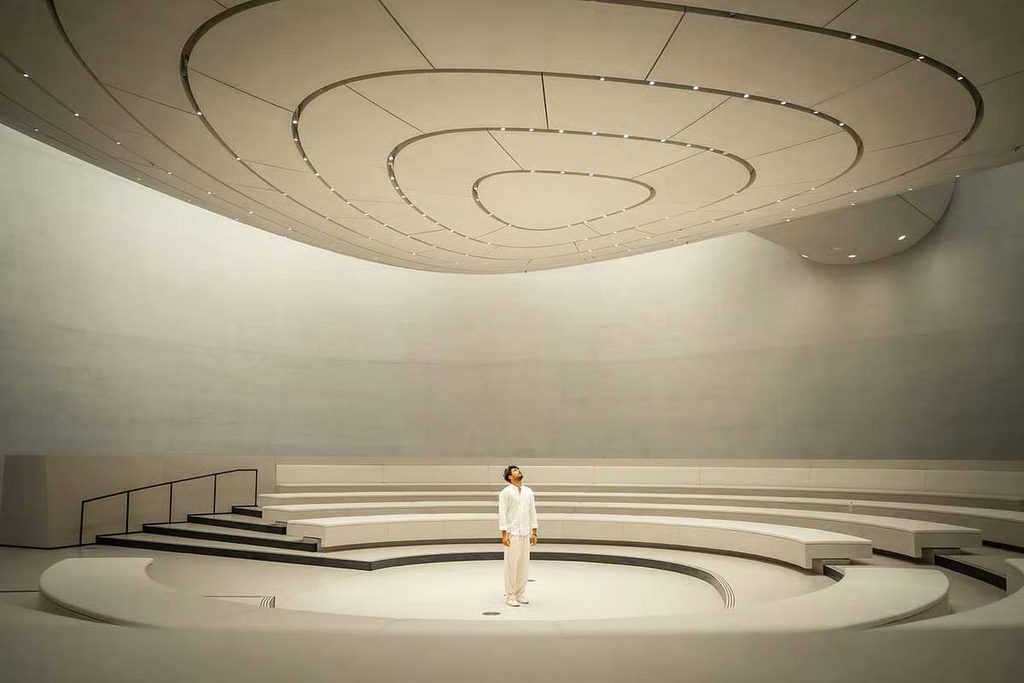
“I felt almost abducted by a stronger force,” he recalled. “Feeling the beauty of modern architecture and cultural heritage inside you.”
Summing up the experience in a single word, Advait described it as “Breathtaking.”
For Mohammed Ajmal, the museum’s magnificent towers remained the most unforgettable feature.
Their distinctive shapes rising dramatically against the Abu Dhabi skyline created a lasting visual impression, capturing the architectural ambition and cultural significance of the landmark.
For both visitors, the Zayed National Museum offered more than an opportunity to admire an extraordinary building. It was an experience that brought together architectural innovation, national heritage and a deeper appreciation of the UAE’s identity.

