

Larsen said obesity is increasingly being recognised as a chronic condition that requires long-term management and support, extending beyond diet and exercise alone.
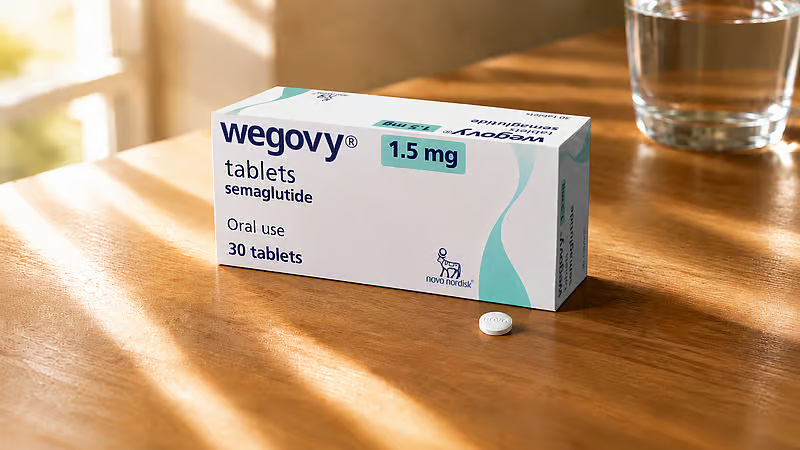
Residents in the UAE will be able to access the newly approved oral Wegovy treatment within days following the arrival of the first shipment in the country, according to Novo Nordisk.
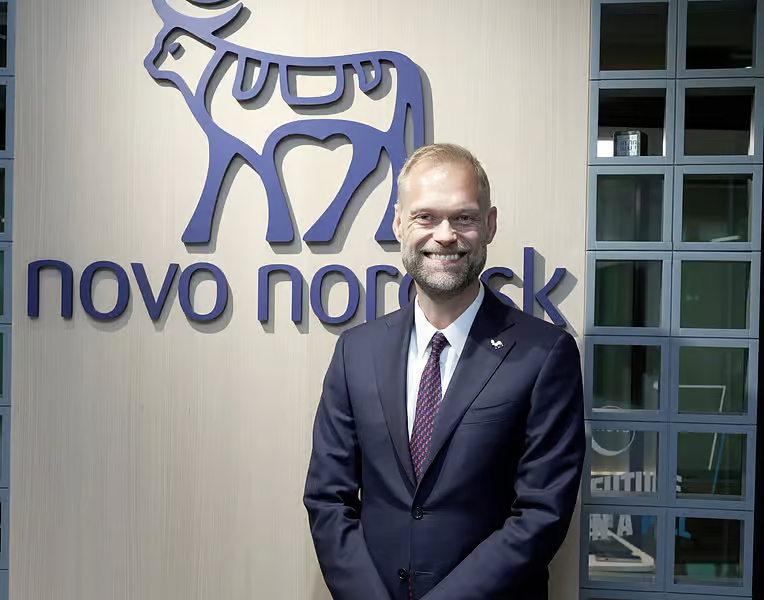
Speaking to, Emil Kongshoj Larsen, Executive Vice-President for International Operations at Novo Nordisk, said the rollout represents more than just the introduction of a new medicine, highlighting a broader global shift in the way obesity is understood and treated.
Larsen said obesity is increasingly being recognised as a chronic disease that requires long-term management and support, with healthcare systems increasingly moving beyond traditional guidance focused solely on diet and exercise.
“Obesity is typically a chronic, progressive and relapsing disease,” Larsen said, adding that many patients need medical intervention in addition to diet and exercise.
He said the introduction of obesity medications reflects a global shift in how the condition is understood, with healthcare systems increasingly moving beyond traditional guidance focused solely on diet and exercise. While healthy eating and physical activity remain essential, many individuals who develop obesity often require medical support alongside lifestyle changes.
“For those who have become obese, typically medical intervention is required,” he said.
Changing the conversation
Larsen noted that obesity is already recognised as a disease by the World Health Organization, and healthcare systems are increasingly adopting long-term approaches to treatment rather than relying only on conventional diet and exercise advice.
He explained that many people living with obesity face biological factors that make sustained weight loss difficult. After significant weight gain, the body’s natural mechanisms can continue to trigger hunger signals even after weight loss, making long-term results harder to maintain through willpower alone.
He added that obesity medicines can help manage these challenges while also supporting healthier lifestyle habits.
“The medicine is a helper, but if you really want the best results, then of course you should change your diet and exercise as well,” he said.
Larsen also said patients using obesity treatments often report a reduction in “food noise” — persistent thoughts about food that can dominate daily life.
“When people are not overwhelmingly hungry, they often make healthier food choices,” he said.
Insurance likely to expand
Larsen said broader insurance coverage will be key to the future of obesity treatment, with reimbursement programmes expected to improve access for more residents over time. The company is also in discussions with insurers and healthcare payers across the UAE.
“If I look 10 years out, I think we will see obesity treatment being insured in many countries just like diabetes treatment is today,” he said.
He added that global trends are already moving in this direction, with more healthcare systems recognising obesity as a condition requiring long-term care.
Larsen said the goal goes beyond weight loss alone, focusing instead on improving overall health outcomes.
He also highlighted evidence linking obesity treatment to broader health benefits, including cardiovascular improvements and reduced risk of related conditions.
Looking ahead to 2030, he said countries that combine prevention, healthier lifestyles, medical support and access to treatment could make significant progress.
“Together with authorities and healthcare professionals, we are turning the tide of obesity,” he said, adding that the UAE will have “lost weight and gained health.”

