

Pezeshkian pushes back against US pressure as diplomatic efforts face blockade tensions and disrupted oil flows.
The US-Iran conflict entered a crucial diplomatic and economic phase on Thursday, with Iranian President Masoud Pezeshkian telling the United Nations that Tehran would never “bend at the knee” to US pressure, even as the two sides continue indirect negotiations in New York.
Meanwhile, the US military said it has redirected 115 commercial vessels as part of its naval blockade of Iran. Asian crude imports are also showing signs of recovery, although volumes remain around 13 per cent below pre-war levels.
For UAE residents, the latest developments remain significant as the conflict continues to have implications for energy prices, shipping through the Strait of Hormuz, aviation and the broader security environment across the Gulf.
Key developments to know:
Pezeshkian: Iran will not surrender
Addressing the UN General Assembly in New York on Wednesday, Iranian President Masoud Pezeshkian struck a defiant tone in response to US threats and economic pressure.
“We will never bow our head or bend at the knee,” he told the assembly.
At the same time, Pezeshkian said Iran remains open to diplomacy and negotiations, but only “without accepting the language of force.”
He also accused the US and Israel of aggression and maintained that Iran did not start the war. The contrasting messages highlight the challenge facing diplomatic efforts in New York: both sides remain engaged in talks while seeking to avoid any appearance of backing down.
US-Iran talks continue through mediators
Despite the tough public rhetoric, diplomatic engagement between the two sides has intensified. Iranian Foreign Minister Abbas Araghchi held around three hours of talks with US special envoy Steve Witkoff and Jared Kushner in New York, with Qatar serving as mediator. Iran has described the discussions as indirect and said its fundamental conditions remain unchanged.
Tehran has reportedly put forward a “roadmap” that includes a region-wide ceasefire lasting up to 60 days, a phased reopening of the Strait of Hormuz and a timetable for broader negotiations. Iran has also called for an end to the US blockade of its ports and the release of frozen Iranian assets.
No agreement has been announced so far. US Secretary of State Marco Rubio has said Washington remains “open to diplomacy,” while emphasising that any potential agreement would require further negotiations.
US says 115 commercial vessels have been redirected
US Central Command said its forces had redirected 115 commercial vessels as of September 23 while enforcing what it describes as America’s “steel wall blockade” against Iran. CENTCOM’s figure refers specifically to vessels redirected under the blockade and does not mean that 115 ships were seized or destroyed.
The blockade is particularly significant for Gulf residents because the Strait of Hormuz is one of the world’s most important routes for energy supplies. Any prolonged disruption or restriction could have wider implications for:
- crude oil prices;
- tanker and shipping costs;
- marine insurance;
- fuel prices;
- the cost and availability of imported goods; and
- regional supply chains.
Ending the blockade is also among Tehran’s key demands in the ongoing negotiations with Washington.
Asia is buying more oil again — but not enough
There are signs that Asian refiners are adjusting to the disruption in crude supplies. Asia is expected to import 23.96 million barrels per day (bpd) in September, up from 23.38 million bpd in August and the highest level since February, according to Kpler data cited by Reuters.
Despite the recovery, September imports are still around 13 per cent below pre-war levels. Crude shipments through the Strait of Hormuz have also rebounded from the lows recorded in April and May, but flows remain below normal levels.
China’s crude imports recovered to 8.93 million bpd in August, although that was still about 2 million bpd below February levels. Elevated oil prices could also limit the scope for a further increase in Chinese purchases.
Oil remains the key economic indicator
Oil markets are closely tracking diplomatic developments in New York. Brent crude was trading at around $102.80 a barrel at about 9.22am Tokyo time on Thursday, September 24, according to the latest market data.
WTI was trading at around $92.02 a barrel, while Murban stood at approximately $113.10. Oil prices have eased from recent highs as traders weigh the prospects of a diplomatic breakthrough. However, markets remain sensitive to any setback in negotiations or further disruption to shipping through the Strait of Hormuz.
For UAE residents, movements in oil prices can have wider economic implications, as energy costs influence transportation, logistics, manufacturing and other sectors across the regional economy.
UAE flights: Check before leaving home
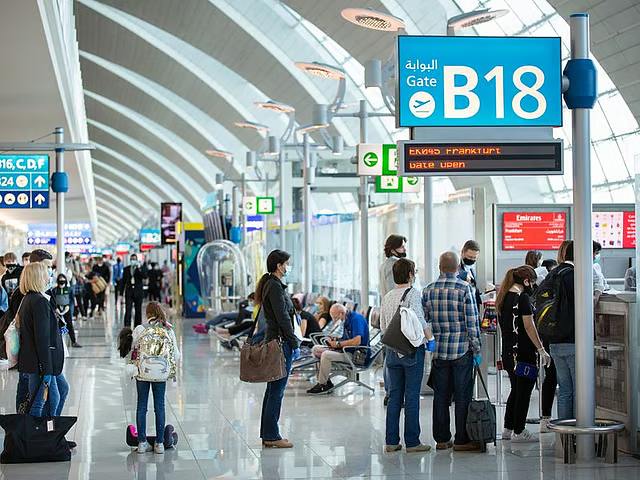
UAE aviation remains operational, although airlines continue to adjust their schedules in response to the broader regional security situation. Air France said on Thursday that it would extend the suspension of flights to Dubai until October 13 and to Riyadh until September 28 as it continues to assess developments across the region.
Other airlines continue to operate services to and from the UAE, although flight schedules may change at short notice depending on regional developments.
Passengers are advised to check the latest updates from their airline and departure or arrival airport before travelling, particularly if their journey includes connections through countries directly affected by the conflict.
What UAE residents should watch today
The key development to watch is whether diplomatic efforts in New York lead to tangible progress between the US and Iran.
The contrast remains clear: Pezeshkian has told the UN that Iran will not surrender to pressure, even as Iranian and US representatives continue exploring a diplomatic path towards ending the conflict.
For now, however, diplomatic engagement has not brought an end to the military and economic pressure surrounding the conflict.
A breakthrough in negotiations could help ease pressure on shipping routes and oil markets relatively quickly. A lack of progress, however, could prolong restrictions around the Strait of Hormuz and keep energy and transportation costs elevated.
What happens next could have consequences beyond the diplomatic headlines, with potential effects on ports, airports, fuel prices and the cost of imported goods across the region.

