

Abu Dhabi energy firm now holds exposure across all five Rio Grande LNG trains.
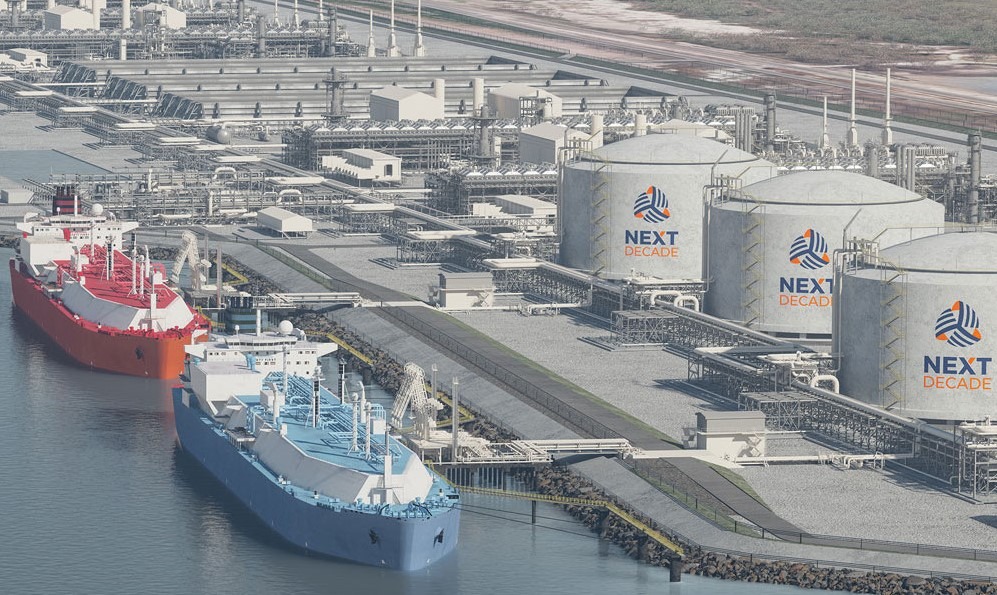
Dubai: XRG has completed the acquisition of an additional stake in Trains 4 and 5 of the Rio Grande LNG project in Texas, extending the Abu Dhabi-based company’s exposure across all five trains currently under development at one of the world’s largest LNG export facilities.
The Rio Grande LNG project, located at the Port of Brownsville, is operated by NextDecade and is expected to begin production in the first half of 2027, with first gas anticipated to enter the facility in the second half of 2026.
Bigger US gas footprint
XRG has acquired an additional 7.6% equity interest in Trains 4 and 5 from an acquisition vehicle of Global Infrastructure Partners (GIP), which is part of BlackRock.
The deal follows XRG’s earlier investment in Phase 1 of the project, where it secured an indirect 11.7% stake covering Trains 1, 2, and 3, also through GIP.
The transaction has received all required regulatory approvals, including clearance from the Committee on Foreign Investment in the United States (CFIUS).
Together, Trains 4 and 5 are expected to deliver a combined LNG production capacity of around 12 million tonnes per annum. Across all five trains, Rio Grande LNG will have approximately 30 million tonnes per annum of liquefaction capacity under construction.
The investment further strengthens XRG’s position in North America, which the company views as a key growth region due to its abundant gas resources, expanding industrial base, and favourable investment environment.
XRG’s North American portfolio already spans LNG, chemicals, and advanced materials, including Rio Grande LNG and Borouge International’s platform through NOVA Chemicals.
Commercial backing
Each of Trains 4 and 5 has secured long-term LNG offtake agreements with high-credit-quality buyers. ADNOC Trading has also signed a 20-year agreement to purchase 1.9 million tonnes per annum from Train 4 as part of XRG’s initial investment in the project.
Rio Grande LNG is expected to contribute significantly to the US economy, generating around 7,500 construction jobs at peak activity and approximately 700 long-term jobs in the Rio Grande Valley once operations begin.

