

Five key taxi rules under UAE’s 2027 regulations that passengers should know.
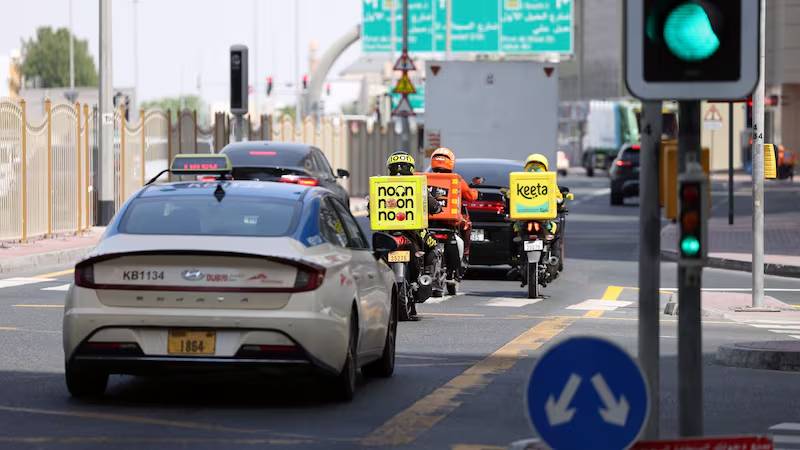
Dubai: Can a taxi driver refuse to take you to your destination or charge you more than the approved fare? Under the UAE’s traffic regulations, which come into effect on January 1, 2027, taxi drivers are prohibited from unreasonably refusing passengers willing to pay the prescribed fare or demanding more than the officially approved amount.
The rules are set out in Cabinet Decision No. 174 of 2026, which introduces the executive regulations of Federal Decree-Law No. 14 of 2024 on Traffic Regulation.
Can a taxi driver refuse a passenger?
Under Article 36, taxi drivers cannot unreasonably refuse to transport passengers who are willing to pay the fare set by the competent authority in the emirate. An exception applies if the taxi has already reached its authorised passenger capacity.
The regulation also explicitly prohibits drivers from charging more than the officially prescribed fare.
These requirements are not entirely new, as similar obligations were included in previous UAE traffic regulations. However, they have been incorporated into the updated framework taking effect in 2027.
Five rules UAE taxi drivers must follow
Article 36 sets out the following obligations:
- Designated pick-up and drop-off points: Taxis must pick up and drop off passengers only in designated areas.
- Parking restrictions: Taxis may be parked or stationed for extended periods only in designated taxi spaces, identified by signs and road markings.
- Passenger refusal and fares: Drivers cannot unreasonably refuse passengers willing to pay the approved fare or demand more than the prescribed amount.
- Avoiding distractions: Drivers must not be distracted by conversations with other people.
- Following official instructions: Drivers must comply with any additional instructions issued by the relevant licensing authority or traffic police.
Can taxi drivers carry extra passengers?
Under Article 44, taxi drivers are prohibited from carrying more passengers than the number authorised by the licensing authority.
The same article requires taxi owners to display key vehicle identification details prominently inside the taxi.
These include the vehicle’s registration number in Arabic and English, its authorised passenger capacity and any other information required by the licensing authority.
The identification plate must be displayed near the front passenger seat and in a prominent position on the back of the front seat.
What about vehicles not designed to carry passengers?
Article 45 states that vehicles not originally designed or equipped to transport passengers may only be used for that purpose if suitable passenger seats have been installed and the vehicle has obtained the necessary licence from the relevant authority.
The updated traffic regulations will take effect across the UAE on January 1, 2027.

