

India’s largest airline raises fuel charges as soaring jet fuel costs put pressure on UAE-India fares.
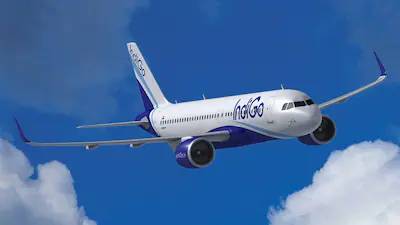
Dubai: Airfares between the UAE and India are set to face fresh upward pressure after IndiGo announced an increase in fuel charges on international flights, citing a sustained rise in Aviation Turbine Fuel (ATF) costs amid ongoing geopolitical tensions in the Middle East.
The revised charges will apply to all IndiGo bookings made from 12.01am on October 6, the airline said on Monday.
For flights between India and the GCC and wider Middle East, including the UAE, passengers will face a revised fuel charge of INR5,500 (around Dh215) per sector, regardless of the distance travelled.
IndiGo said the latest month-on-month increase in ATF prices had exceeded 14 per cent, pushing fuel costs to some of their highest levels seen over the past decade.
Higher fuel charge
The airline said ATF represents a significant portion of its operating expenses, with the latest increase adding further pressure to its overall cost structure and network economics.
“While offsetting the increase in fuel costs would have required a significantly larger increase in the fuel charges, IndiGo has implemented a measured and relatively modest adjustment to minimise the impact on customers,” the airline said.
IndiGo added that it would continue to monitor fuel prices and make further adjustments “as and when appropriate”.
Under the revised international structure, the fuel charge will be INR1,000 for SAARC routes of up to 500km and INR3,000 for SAARC routes exceeding 500km.
Passengers travelling to Southeast Asia, the GCC and Middle East, and North and East Asia will pay INR5,500, while the charge will be INR6,000 for Africa and INR10,000 for Europe.
The additional charges will be added to ticket prices and apply to new bookings made from October 6.
UAE-India impact
The latest adjustment marks another increase in the fuel component of IndiGo’s international fares this year.
In April, the airline raised its fuel charge on international routes after saying ATF prices had more than doubled within a month. At the time, passengers on GCC and Middle East routes paid around Dh115 for journeys of up to 2,000km and Dh191 for flights exceeding 2,000km.
The new flat charge of around Dh210 therefore represents an increase of approximately Dh95 on routes previously covered by the lower Dh115 band, while longer GCC and Middle East sectors face an increase of about Dh19.
IndiGo had also introduced a fuel charge in March after geopolitical tensions in the Middle East pushed regional jet fuel prices sharply higher. The airline said at the time that fuel prices in the region had risen by more than 85 per cent.
Fares already high
The latest increase comes as airfares between the UAE and India remain significantly higher than before the Middle East conflict began in February.
The conflict triggered widespread flight cancellations and disruptions across the UAE and the wider region, while airlines were also confronted with higher fuel costs, reduced capacity and longer flight routes.
In April, Gulf News reported that a return ticket between Dubai and Mumbai for travel that week was selling for around Dh4,230, compared with about Dh730 less than two months earlier, as strong demand, higher fuel costs and limited capacity drove fares sharply higher.
The restoration of additional capacity later provided some relief, although fares remained above the levels seen a year earlier. By June, travel agents reported that prices had eased on some UAE-India routes as airlines added more seats, while warning that fares could climb again during peak travel periods.
More recently, strong seasonal demand has again put pressure on India-bound fares. Gulf News reported last month that travellers heading to India for Dussehra and Diwali could still find some tickets for less than Dh1,500, although travel agents expected prices to increase through October as demand picked up.
September increases
The latest fuel-charge adjustment also comes shortly after IndiGo revised several ancillary fees in September.
The airline increased its excess baggage charge from around Dh27 to Dh30 per additional kilogram, while the fee for infants aged between three days and two years rose from about Dh76 to Dh114.
IndiGo also raised its unaccompanied-minor service fee for domestic journeys from around Dh191 to Dh229, while the fee for international travel increased to approximately Dh496.
The airline’s Fast Forward priority service also became more expensive, rising from around Dh19 to Dh25 on domestic flights and to about Dh32 per sector on international services.
Those September changes were separate from IndiGo’s standard ticket fares and baggage allowances and formed part of a routine review of ancillary charges, according to Moneycontrol.
Cost pressure
IndiGo said the latest fuel-charge revision had become necessary due to the sustained increase in operating costs.
“IndiGo regrets the additional burden these revised fuel charges may place on its customers,” the airline said, adding that the adjustment reflected “the sustained increase in operating costs and the evolving market environment”.
Despite the higher costs, the carrier said it remained committed to providing affordable and consistent travel for its customers.
The latest increase comes as airlines worldwide continue to deal with the aviation impact of the Middle East conflict, with higher fuel prices, longer or altered flight routes and capacity constraints adding pressure to operating costs and, ultimately, ticket prices.

