

UAE diesel prices climb to Dh4.80, adding pressure on delivery and transport companies.
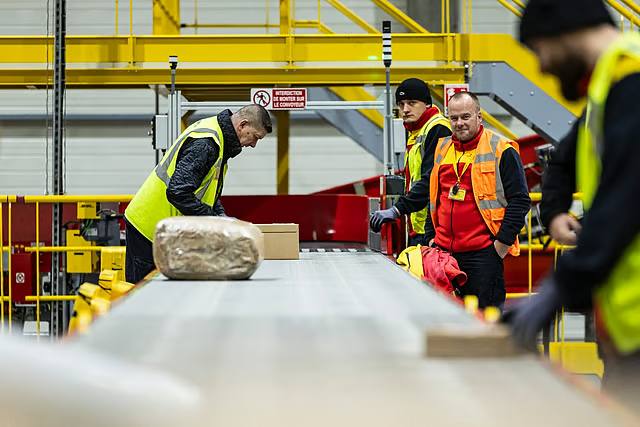
Dubai: Imagine filling your online shopping cart and getting ready to check out, only to wonder whether free delivery will still be available next month. That concern could become more relevant as new fuel prices are announced at the end of each month.
Diesel in the UAE now stands at Dh4.80 per litre, its highest level in years. This marks an 11.6 per cent increase from Dh4.30 in September. For companies operating large vehicle fleets, the rise is adding to costs across transport, freight and last-mile delivery services, including the vans responsible for bringing packages directly to customers’ doors.
For now, businesses are largely trying to shield consumers from additional charges by improving efficiency and managing higher operating expenses internally. However, industry executives caution that if elevated fuel prices persist, companies may eventually need to reassess that approach.
The UAE’s Fuel Price Committee reviews fuel rates every month in line with movements in global energy markets. Retail fuel prices have risen by more than 60 per cent since the regional crisis began on February 28. With the 60-day US-Iran ceasefire now expired and Houthi attacks on oil infrastructure in the Red Sea intensifying, cost pressures are increasingly being felt across the transport and logistics sector.
For e-commerce businesses, the impact may not necessarily translate into immediate increases in product prices. Instead, consumers could see higher minimum spending requirements to qualify for free delivery, fewer express-shipping options or changes to existing delivery charges.

Last-mile delivery comes under growing pressure
Last-mile delivery is especially vulnerable to rising fuel costs because it typically involves transporting smaller orders individually to customers rather than moving large quantities of goods in bulk.
Sam Achampong, Regional Director of CIPS for the Middle East, Africa and Asia-Pacific, said rising diesel prices are adding pressure to one of the major variable expenses faced by logistics companies.
“The bigger issue is how long these fuel prices persist. Businesses can absorb short-term volatility; sustained higher costs eventually have to be dealt with somewhere in the value chain,” he said.
However, an 11 per cent rise in diesel prices does not necessarily mean delivery costs will increase by the same amount. Companies handling hundreds of parcels within densely populated areas can offset some of the additional fuel expense by completing more deliveries on each trip.
Achampong said logistics businesses are therefore likely to prioritise measures such as optimising delivery routes, consolidating shipments and reducing failed or repeat delivery attempts.
“The first response should be efficiency rather than simply passing the cost on to customers,” he said.
Freight costs involve more than fuel
Diesel is only one part of the overall cost of running a logistics operation. Other expenses include drivers, vehicles, warehouses, technology and administrative costs. The extent of the impact can also vary depending on factors such as fleet size, delivery density and contractual agreements.
Tobias Maier, CEO of DHL Global Forwarding Middle East and Africa, offered a similar perspective from the freight sector, noting that diesel prices are an important consideration but represent only one element of a much wider cost structure.
“Diesel prices are certainly an important factor for the logistics industry, but they are only one component within a much broader cost equation,” he said.
According to Maier, increased operational complexity can create an even greater challenge for logistics companies. Supply chains have had to adjust to longer transport routes, alternative gateways, additional handling requirements, longer waiting periods and shifts in available capacity in response to conditions on the ground.
As a result, Maier said it can be difficult to determine how much of the overall increase in logistics costs can be attributed specifically to higher diesel prices.
DHL has sought to manage the disruption through careful capacity planning, flexible routing and closer coordination with its customers. Maier said the company secured additional transport capacity early in the current crisis to help maintain continuity of services despite ongoing disruptions.
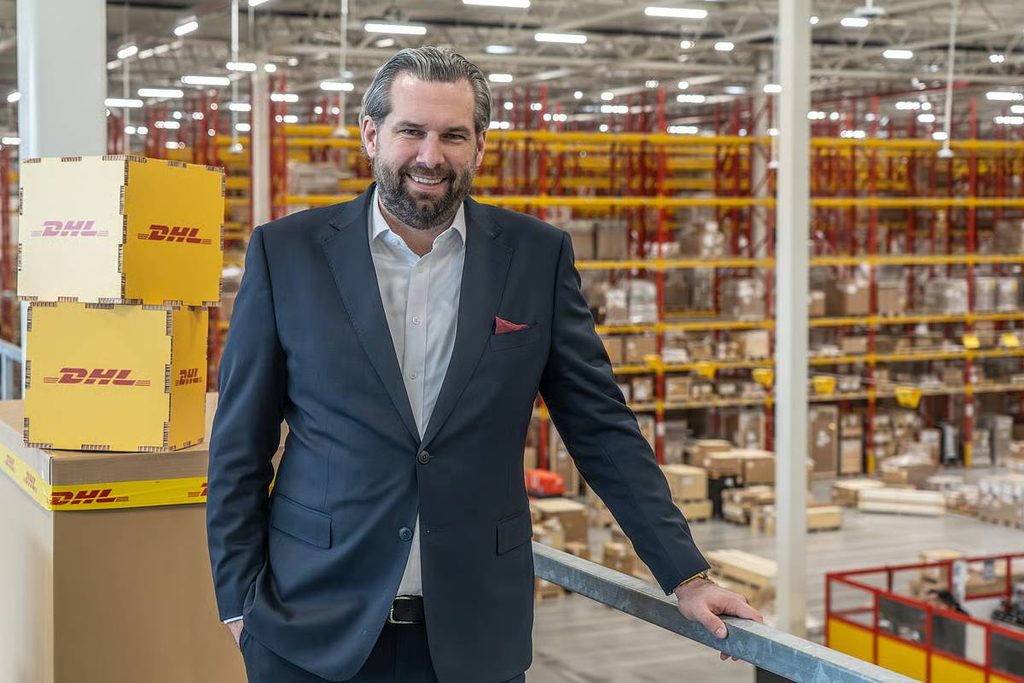
He added that DHL’s asset-light operating model gives the company greater flexibility, allowing it to work with established carriers and transport partners while also using its own transport assets when necessary.
The company is also keeping customers informed about changes in costs and the factors contributing to them.
“We maintain an open dialogue with our customers about cost developments and the factors driving them. Certain cost elements, such as jet fuel- or bunker-related surcharges, are linked to recognised market indices and move in both directions,” Maier said.

Fleet operators feel the pressure of rising costs
For some businesses, higher fuel expenses are already beginning to weigh on profitability.
Lauren Hamilton, founder of Ride Skipper, said the company initially chose not to pass rising fuel costs on to customers when the regional conflict began. However, maintaining that approach is becoming increasingly difficult as expenses continue to climb.
“We’ve seen 40%+ increase over the past few months,” she said.
Ride Skipper is a chauffeur-driver provider app operating in the UAE. The company uses Nissan Kicks vehicles to transport drivers between their homes, client pick-up and drop-off points, and shift locations. Each vehicle travels more than 12,000 kilometres a month.
“When we have seven shuttle cars doing upwards of 12,000 KM per car per month, even a percentage point increase makes a difference to our profitability,” Hamilton said.
To manage the impact, the company is working with a partner to improve fuel efficiency and minimise unnecessary consumption.
Moving to more fuel-efficient vehicles is also being considered, although Hamilton said it was too early to determine whether the company would make the switch. For now, the main challenge is managing higher operating expenses while trying to keep prices unchanged for customers.
Could free delivery become harder to find?
For shoppers, rising logistics expenses may not immediately result in higher product prices. Achampong said e-commerce businesses are likely to be cautious about increasing delivery charges, as free or low-cost shipping has become an important part of the value they offer customers.
Instead of immediately raising delivery charges, businesses could increase the minimum order value required to qualify for free shipping, encourage shoppers to combine purchases into fewer orders or limit the availability of free same-day and express delivery services.
“I don’t think consumers will necessarily see immediate across-the-board increase in prices or delivery charges,” Achampong said. However, if diesel prices remain high for several months, companies may eventually have to review their pricing strategies.
“Ultimately somebody has to absorb the additional cost – the logistics provider, the seller or the consumer,” he added.
Efficiency takes centre stage
For now, companies are prioritising measures aimed at cutting fuel consumption, making better use of their vehicles and protecting profit margins without immediately passing additional costs on to customers.
Ride Skipper is working to improve fuel efficiency across its current fleet, while DHL is exploring alternative routes, transport options and capacity arrangements to manage rising costs and operational disruptions.
The longer-term impact will largely depend on how long diesel prices stay elevated and how effectively businesses can improve their operations. A short-term increase could potentially be absorbed within existing margins, while a prolonged period of higher fuel costs may eventually lead to changes in delivery fees, free-shipping thresholds and freight agreements.
Consumers may not see the impact reflected in every bill straight away. But if fuel prices remain at current levels for an extended period, the additional costs could gradually move through the supply chain and become more visible to customers.

