

Red Sea attacks push Brent higher, reducing chances of another fuel price cut.
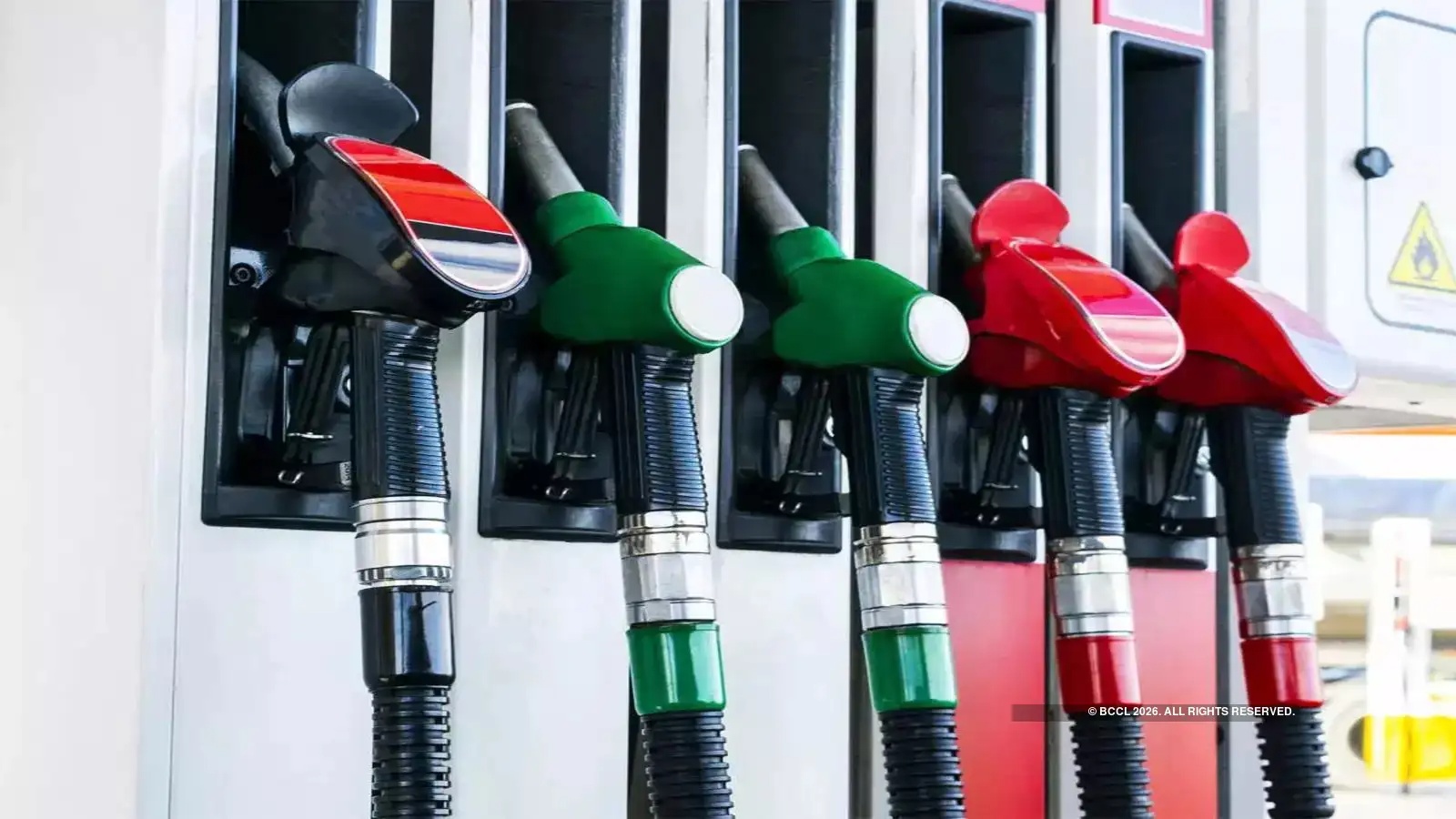
Dubai: UAE motorists could see fuel prices fluctuate again in August after global oil prices climbed sharply this month, reducing the likelihood of a second consecutive month of relief at the pump.
Brent crude was trading near $90 a barrel after surging nearly 8% in the previous session, while West Texas Intermediate (WTI) hovered above $84 a barrel.
Oil prices have climbed steadily over the past several trading sessions, erasing much of the earlier decline that paved the way for the UAE’s fuel price cuts in July. Those reductions lowered Super 98 to Dh3.40 a litre, Special 95 to Dh3.29, E-Plus 91 to Dh3.21 and diesel to Dh3.60, reflecting softer global crude prices earlier in the month.
Under the UAE’s monthly fuel pricing mechanism, retail petrol and diesel rates are revised based on the average international prices of crude oil and refined fuels. As a result, any sustained increase in global oil prices could be reflected in the next monthly revision.
Why it matters
The UAE determines fuel prices each month using the average international oil prices recorded during the previous month rather than reacting to short-term market swings.
This means August fuel prices will depend on where crude trades for the remainder of the month, not just on the latest rally.
If Brent crude remains in the $95-$100 a barrel range through month-end, the higher monthly average could push up UAE fuel prices in August.
However, if the recent surge proves short-lived and crude retreats to around $80-$85 a barrel, the impact on motorists is expected to be more limited.
What’s driving oil prices higher?
The latest rally has been fuelled by renewed concerns over energy supplies from the Middle East. Reports of attacks on Saudi oil tankers have reignited fears that key shipping routes linking the Gulf to global markets could face fresh disruptions.
Investors are also reassessing geopolitical risks after weeks of growing optimism that tensions in the region were easing.
Earlier this month, Brent crude slipped to around $73 a barrel amid expectations that the US-Iran ceasefire framework and improved shipping conditions would help restore oil flows. However, the latest escalation has reversed much of that optimism, sending crude prices sharply higher as traders factor in the risk of tighter supplies.
Could July’s outlook be reversing?
Only a few weeks ago, most major forecasters expected oil prices to continue easing through the second half of 2026.
The US Energy Information Administration (EIA) projected Brent crude would fall below $80 a barrel in the third quarter before trending towards $70 by year-end.
Among investment banks, Goldman Sachs forecast Brent at $80 in the fourth quarter, while Morgan Stanley expected prices to average $90 in the third quarter before easing to $80 in the fourth. Citi remained the most bearish, forecasting $75 in the third quarter and $70 in the final quarter of the year.
Those projections were based on expectations of stronger Gulf oil exports, easing geopolitical tensions and continued production increases by OPEC+. However, the latest flare-up in regional tensions has raised fresh questions over whether that outlook will hold if supply risks persist.
The outlook remains uncertain
The latest attacks do not necessarily overturn those forecasts, but they have made the near-term outlook more uncertain. If elevated oil prices persist, analysts may be forced to reassess their assumptions for the remainder of the year.
What could happen in August?
Much will depend on whether the recent rally proves short-lived or develops into a more sustained rise.
Most likely scenario
- Brent crude retreats below $95 a barrel once the initial geopolitical risk premium fades.
- UAE fuel prices for August remain broadly stable or see only a modest increase.
Higher-price scenario
- Brent holds close to or above $95-$100 a barrel through the remainder of the month as supply concerns persist.
- The higher monthly average feeds into the UAE’s pricing formula, increasing the likelihood of a more noticeable rise in petrol and diesel prices in August.
Higher-price scenario
- Brent crude remains close to $100 a barrel or climbs even higher.
- Concerns over supply disruptions intensify as geopolitical tensions persist.
- The higher monthly average lifts the likelihood of a noticeable increase in UAE petrol and diesel prices, reversing July’s reductions.
Lower-price scenario
- Regional tensions ease quickly and shipping disruptions prove limited.
- Brent crude retreats towards the low $80s a barrel, reducing the geopolitical risk premium.
- UAE fuel prices stay broadly in line with July levels or see only minimal changes.
For now, the direction of August fuel prices will hinge on whether the recent spike in crude proves temporary or marks the start of a more sustained rally.
What motorists should watch
Three key factors are likely to shape the UAE’s August fuel prices:
- Brent crude’s trajectory: Whether Brent remains above $95-$100 a barrel through the rest of the month, lifting the monthly average used to set UAE fuel prices.
- Middle East shipping risks: The extent to which attacks on oil tanker traffic in the Red Sea and Strait of Hormuz disrupt supplies and keep geopolitical risk premiums elevated.
- OPEC+ production policy: Whether the producer group sticks to its planned output increases or adjusts its strategy in response to renewed regional tensions.
Bottom line
July’s fuel price cut reflected a global oil market that had largely recovered from earlier supply disruptions, allowing crude prices to ease.
The latest surge, however, suggests that period of calm may be ending. While a single spike is unlikely to determine next month’s prices, a sustained rally in crude through the remainder of the month would increase the likelihood that UAE motorists face higher petrol and diesel prices in August. Conversely, if geopolitical tensions ease and oil prices retreat, fuel costs are likely to remain broadly stable.
Outlook for August fuel prices
The latest surge above $100 a barrel highlights how quickly geopolitical developments can disrupt oil market trends and reverse earlier declines.
For UAE motorists, it remains too early to say with certainty that fuel prices will rise in August. The UAE’s pricing system is based on the average monthly oil price, rather than short-term daily market movements.
However, if crude prices remain at current elevated levels for the rest of July, the likelihood of higher petrol and diesel prices next month will increase significantly compared with expectations just a week ago. The final outcome will depend on whether the rally persists or fades before the monthly pricing calculation is made.

