

UAE manufacturing and trading leaders say costs remain high and supply chain backlogs could take months to clear, even as the US-Iran peace deal brings cautious optimism.
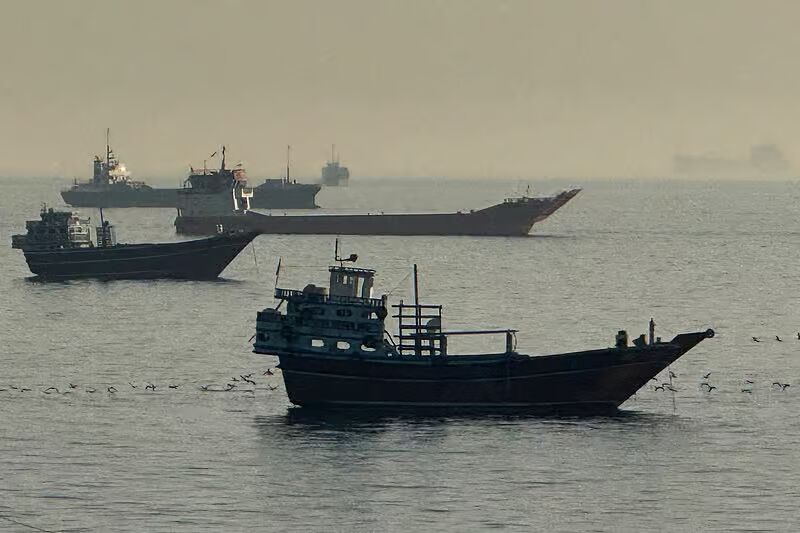
The reopening of the Strait of Hormuz following the US–Iran peace deal has been welcomed by UAE shipping and logistics executives, but industry leaders warn that freight rates remain significantly elevated and supply chain disruptions will take months to fully ease.
Freight costs have surged sharply since March, with some executives noting that container prices have increased more than sixfold during the period.
Anis Sajan, vice-chairman of Danube Group, said the cost of shipping a single container surged from around $1,500 before the US–Israel–Iran conflict on February 28 to nearly $10,000 at its peak.
Haris Shaikh, CEO of Gallop Shipping in Dubai, said the total landed cost has climbed further, with ocean freight rising to around $5,200 per container and additional local charges pushing total costs to roughly $10,573, compared to a pre-crisis range of about $2,100 to $2,250.
He cautioned that a sharp decline in costs is unlikely in the near term, noting that exceptional surcharges such as drop-off fees and internal handling charges will only ease gradually as conditions stabilise.
Slow recovery
Nizar Zouhairi, vice president of global freight operations at Aramex, said the recovery of shipping and logistics will unfold in phases.
He explained that in the short term, sea freight volumes are expected to rebound, driven by the rapid movement of previously delayed goods, repositioning of empty containers, and increased flows of energy cargo, all of which should gradually ease container freight charges.
However, he added that freight rates are likely to decline faster than marine insurance costs. If the Strait of Hormuz remains open, tanker movements and supply flows should normalise, bringing price relief within three to six months—assuming capacity is fully restored.
He noted that insurers will respond more cautiously, taking longer to reassess risk exposure, vessel conditions, and evolving regional security dynamics.
Thomas Gregory, CEO and Co-Founder of Fusion Dubai, described the reopening as a “welcome and much-awaited” development but warned that logistics improvements and consumer price reductions would not happen at the same pace.
He said cargo movement and delivery schedules may improve relatively quickly, but benefits for end consumers are more likely to appear after six to eight weeks, provided stability continues.
Anis Sajan also estimated that it could take three to four months for cargo backlogs to clear before freight rates begin to ease meaningfully.
Route restoration
Bharat Bhatia, Founder and CEO of Conares, said the UAE steel industry depends heavily on imported raw materials such as metallics, billets, and hot rolled coils, making the restoration of stable trade routes essential.
He estimated that it would take three to four months for logistics backlogs to fully normalise, though he expects exports to markets like North America to resume soon after disruptions since February 28.
He added that improving trade predictability is already lifting sentiment among manufacturers and developers, enabling better planning across procurement and production.
Supply chain resilience
Yahyah Pandor, vice-president and general manager for MENAT at Blue Yonder, urged industry leaders not to become complacent despite improving conditions.
He said challenges such as backlogs, inventory mismatches, high insurance premiums, and rerouting decisions remain active even after the reopening of the Strait.
Pandor stressed that the current stability should be used to strengthen supply chain visibility, planning systems, and decision-making resilience to prepare for future disruptions.

