

UAE parents use smart planning, cashback deals and community swaps to cut back-to-school costs.
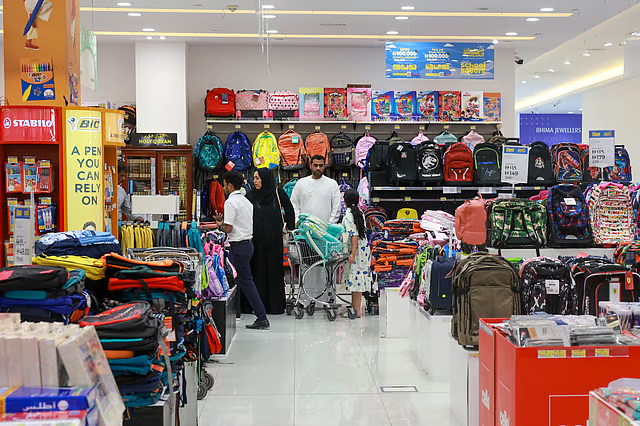
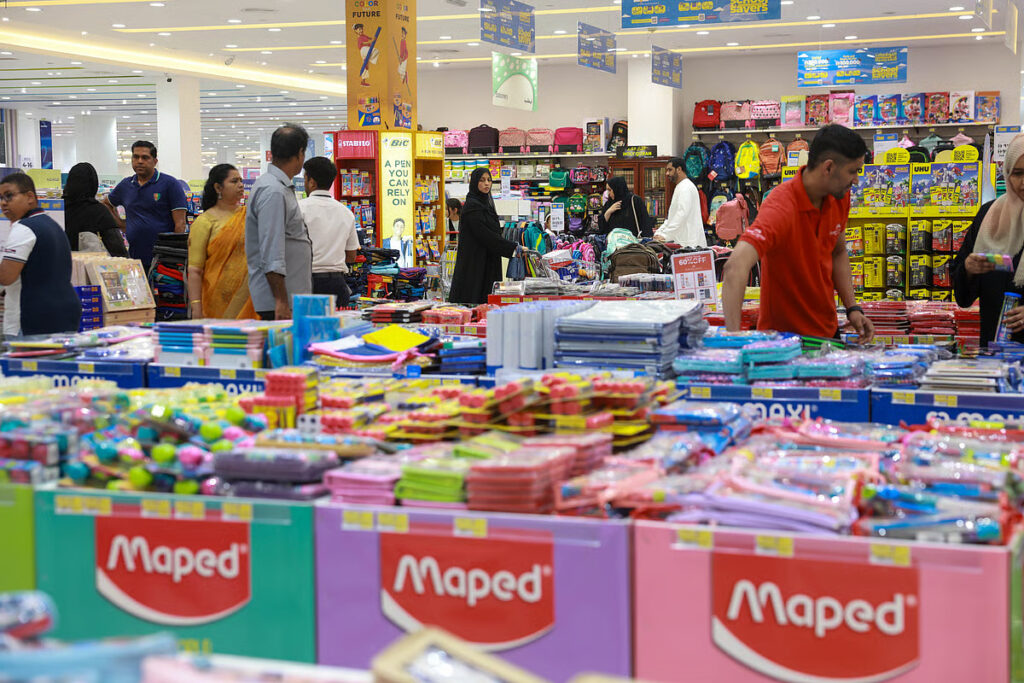
Dubai: As schools across the UAE prepare to reopen on August 31 after the summer break, families around the country are getting ready for the annual rush to buy uniforms, shoes, stationery and other school essentials before the new term begins.
The back-to-school season can come with a hefty price tag. Uniforms alone can cost hundreds of dirhams per child, while rising prices for everything from footwear to school bags are putting additional pressure on household budgets.
But many parents are finding creative ways to keep costs under control. Some are buying shoes well in advance, while others are turning to WhatsApp groups to swap or buy used textbooks and school supplies.
Ahead of the new academic year, we spoke to parents across the UAE about the strategies they are using to make back-to-school shopping more affordable and manageable.
How buying school supplies early can cut costs
For Fern Millroy, a mother of three, back-to-school shopping is less of a last-minute scramble and more of a carefully planned strategy. She spends around Dh1,500 per child, focusing on buying essentials early and taking advantage of sales.
“I tend to buy school shoes in advance, in every half size, whenever there’s a sale. That way, I know which styles my children like and can stock up at the best possible price,” she said.
Her children typically stick to the same style of school shoes throughout the year, moving up a size as they grow. “A year ago, I bought enough shoes to last the next three years. It really helps when my kids tell me a shoe is too tight or too small. I can simply say, ‘It’s fine, I already have a backup.’ No argument, no fuss,” she said.
The family keeps things simple by choosing practical, presentable school shoes and avoiding expensive designs or embellishments.
Millroy also spreads her shopping between trips abroad and purchases in the UAE, choosing to buy wherever she finds the better price at the time. She says the strategy helps her save on more than just footwear.
“Planning ahead really saves both time and money. Some schools also offer discounts on uniforms. My children’s school, for example, offered a 10 per cent discount for uniforms purchased before July 31,” she said.
Using cashback to save on school expenses
Millroy also makes strategic use of cashback offers to reduce her overall school-related spending. She uses a GEMS Education credit card that offers 10 per cent cashback on eligible school expenses, allowing her to turn routine purchases into savings that can be used elsewhere.
“That works well for me personally because it allows me to put the money towards extracurricular activities, speech classes, occupational therapy and so on,” she said.
“We also use the card to pay tuition fees, which gives us a three per cent saving, and I convert the points I earn into Emirates Skywards miles.”
When it comes to stationery, Millroy takes a different approach, preferring small local businesses and Etsy sellers to large retailers. For her, the choice is less about getting the lowest price and more about preventing items from being lost.

“You can have crayons, pencil cases and other stationery items engraved, even water bottles. It helps prevent them from getting misplaced. It may cost a little more upfront, but it saves money in the long run because if something does get lost, there’s a much better chance of it finding its way back to us,” she said.
Where the money goes
For Wajiha Bari, Chief Operating Officer of The Citizens Foundation UAE, the figures this year highlight how quickly back-to-school expenses can add up.
“This year, we expect to spend around 15–20 per cent more than we did last year. The biggest increases have been in uniforms, school supplies and activity-related expenses. While individual items may not seem significantly more expensive, the costs add up quickly when you have two children preparing to return to school,” she said.
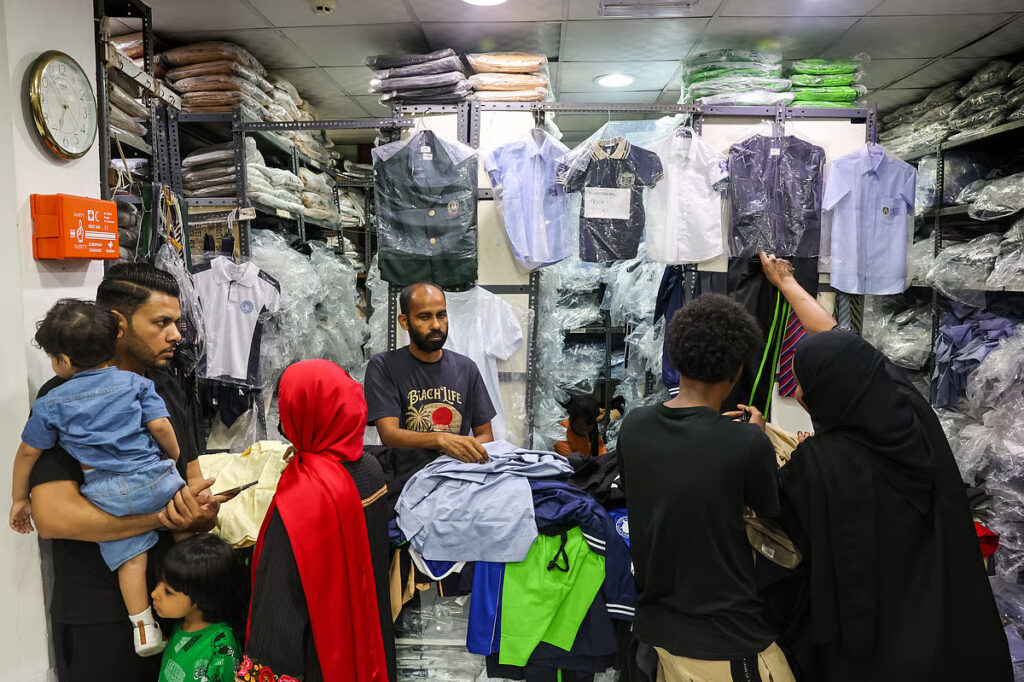
Uniforms remain one of the biggest unavoidable expenses for many families, largely because children quickly outgrow them.
“Uniforms are definitely among our biggest expenses. Since children grow so quickly, replacing them each year is almost unavoidable. School shoes are another significant cost, as they need to be durable enough to last throughout the academic year,” Bari said.
Technology can be another unpredictable addition to the back-to-school budget. “Technology can also become an unexpected expense. If a calculator, headphones or a tablet needs to be replaced, it can easily push the budget off track. We try to avoid unnecessary upgrades and replace devices only when absolutely necessary,” she said.
How to choose smarter
Rather than compromising on quality, many parents are finding ways to buy only what their children genuinely need. Bari’s family, for instance, reduced the number of uniform sets they purchased this year.
“Instead of buying three sets of regular uniforms and two PE uniforms as we did previously, this year we bought two regular uniforms and just one PE uniform. It saves money and has actually been more than enough with a regular washing routine,” she said.
The same approach applies to stationery. Bari said her family checks what can be reused before buying new supplies.
“We make a point of checking what can be reused before shopping. If stationery from last year is still in good condition, we continue using it rather than replacing everything simply because it is a new school year,” she said.
The school bus
With fuel prices and daily commuting costs adding to household expenses, the school bus has become a practical way for many families to manage their budgets. Bari’s family relies on school transport for both financial and logistical reasons.
“My children use the school bus, so we haven’t explored carpooling. The school bus gives us a predictable monthly cost and also saves us the time and stress of the daily school run, especially during busy mornings,” she said.
Fellow parent Shalu Garg, whose two sons are in Grade 8 and Grade 3 at GEMS Modern Academy, also sees the school bus as a cost-effective and convenient option.
“We continue to use the school bus because I find it the most cost-effective and convenient option. I also feel it is good for the children’s social development, as they travel with their friends and become more independent,” she said.
Refresh, don’t replace
Across both families, a common approach has emerged: something that looks worn does not necessarily need to be thrown away. Bari said her family chose to refresh and repair several items rather than replace them this year.
“Rather than buying brand-new accessories every year, we decided to refresh the ones we already had. We cleaned the school bags, replaced a few worn-out parts where possible and gave the lunch boxes a thorough clean instead of buying new ones. The children were happy to continue using them, and it helped us avoid spending money on items that were still perfectly functional,” she said.
The approach also involves resisting the seasonal temptation to buy items simply because they are trendy.
“We’ve also become more mindful about avoiding impulse purchases. Children naturally get excited about character-themed stationery and trendy accessories, but we’ve learned to focus on what they genuinely need,” Bari said.
Garg’s family has adopted a similar approach at home, replacing disposable products with reusable alternatives.

“At home, we have switched to reusable stainless-steel water bottles and bento boxes. They are durable, reduce unnecessary replacements, and I also prefer stainless steel for everyday use,” she said.
The rise of the parent-to-parent economy
One of the most notable trends this year is the growing role of community exchanges, with parents increasingly trading school essentials directly with one another rather than relying solely on retailers.
For Garg, this has taken the form of a school-run WhatsApp group. She said the initiative has helped her family significantly reduce back-to-school expenses.
“Back-to-school shopping has made us much more conscious about spending this year. With my two sons in Grade 8 and Grade 3 at GEMS Modern Academy, I found the school’s free book-exchange WhatsApp group particularly helpful. This year, I managed to get all the books for both my children through the group without buying a single new book,” she said.
“We are also giving away their old books and uniforms through the same group, so it works both ways and creates a lovely parent-to-parent community.”
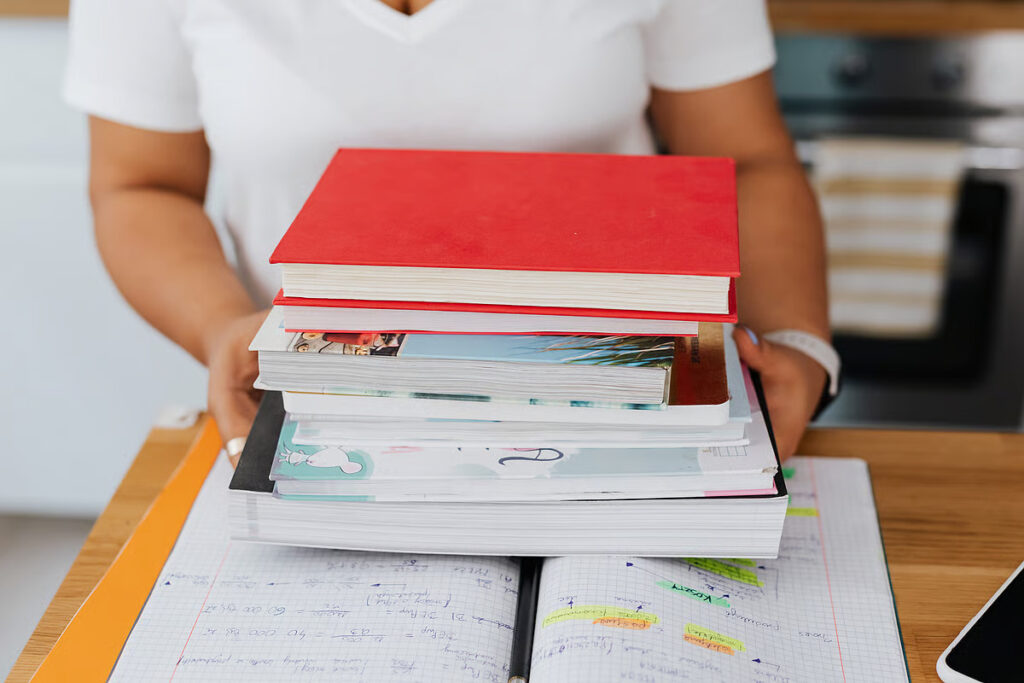
She said parents post pictures of books they no longer need, allowing others to request and collect them.
“Parents post pictures of books they no longer need, and if another parent needs them, they can reserve them through the group. We then coordinate and collect the books personally. That’s how I managed to get all the books for both my Grade 8 and Grade 3 boys this year without buying any new ones,” she said.
Small habits, big savings
Beyond major purchases, both parents say small, consistent habits can make a meaningful difference to the family budget over time. For Bari, timing is just as important as knowing what to buy.
“One thing that has worked well for us is shopping early whenever possible. Spreading purchases over several weeks makes the expense feel much more manageable than buying everything at once,” she said.
She has also made budgeting a family exercise, involving her children in decisions about what they actually need.
“We’ve started involving our children in the budgeting process. Before buying something new, we ask whether there is something similar at home that is still usable. It has helped them understand the value of money and encouraged them to take better care of their belongings,” she said.
Another simple strategy requires little more than planning ahead: keeping a dedicated box for school supplies.
“Throughout the year, we collect unused notebooks, spare stationery and leftover supplies instead of throwing them away. When the new school year begins, we often already have several essentials ready to use,” Bari said.
The golden rule: Needs before wants
Asked to share her top advice for other parents, Bari pointed to a simple principle that guides her family’s approach to back-to-school spending.
“My biggest tip is to make a checklist before you shop and separate ‘needs’ from ‘nice-to-haves’. It’s very easy to overspend because of promotions or because children are excited about getting new things,” she said.
She also offered a reminder that extends beyond the back-to-school season: not everything needs to be replaced every year.
“Don’t assume everything has to be replaced annually. If a school bag, lunch box or stationery is still in good condition, use it for another year. Children don’t necessarily need everything to be brand new; they need quality items that work well.
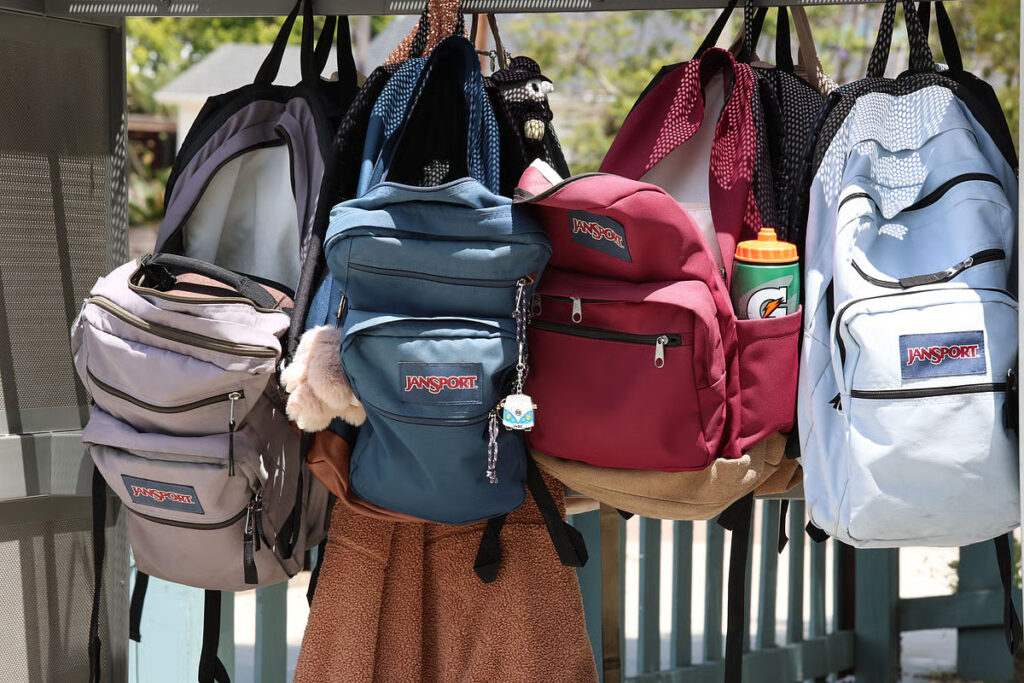
“Small choices such as reusing accessories, buying only the uniforms you actually need and avoiding duplicate purchases can make a noticeable difference to the overall back-to-school budget without compromising your child’s experience,” she said.
Garg’s parting advice echoed the same principle, placing the focus on community rather than consumption.
“My biggest tip to other parents would be to check what is already available within your school community before buying anything new. Reuse, exchange and share wherever possible. It can save a surprising amount without compromising on your child’s needs,” she said.

