

Even as tensions rise, tankers keep moving through the strategic energy chokepoint, with some altering routes.
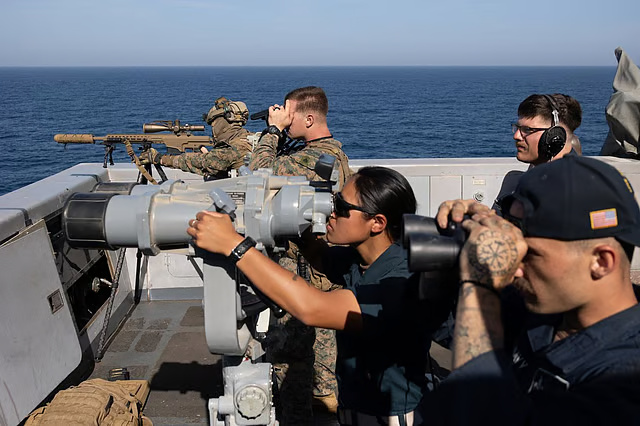
The Strait of Hormuz, a key corridor for global oil and gas shipments, has seen increased vessel traffic in recent days despite ongoing military tensions and a U.S. naval blockade of Iranian ports. Tracking data indicates that commercial shipping is gradually returning to the waterway following a previous drop in activity during the conflict.
According to Marine Insight monitoring data from April 16, more than 20 vessels crossed the Strait of Hormuz over a 24-hour period during the blockade, even as certain ships were directed to reroute or return.
Following unsuccessful negotiations with Iran in Pakistan, the United States announced a naval blockade effective April 13, 2026, prohibiting vessels from entering or leaving Iranian ports from 6 p.m. Gulf time. The decision came amid heightened tensions and concerns over Iran’s ongoing threats to use the Strait of Hormuz as leverage.
On April 16, Gen. Dan Caine announced the blockade had been expanded to target Iran-linked vessels globally, including “dark fleet” tankers in Southeast Asia and the Pacific, regardless of flag or ownership. The decision comes after stalled ceasefire talks, as Trump claimed Iran agreed to surrender enriched uranium amid rising oil prices.
CENTCOM stated that ships bound for or departing from non-Iranian destinations may continue to transit the waterway without restriction.
According to Reuters tracking data, at least eight merchant vessels—including three Iran-linked tankers—attempted to transit the Strait of Hormuz after the U.S. blockade was announced. Separate counts suggest 279 vessels have crossed the strait since late February, though overall traffic has been significantly reduced amid security concerns.
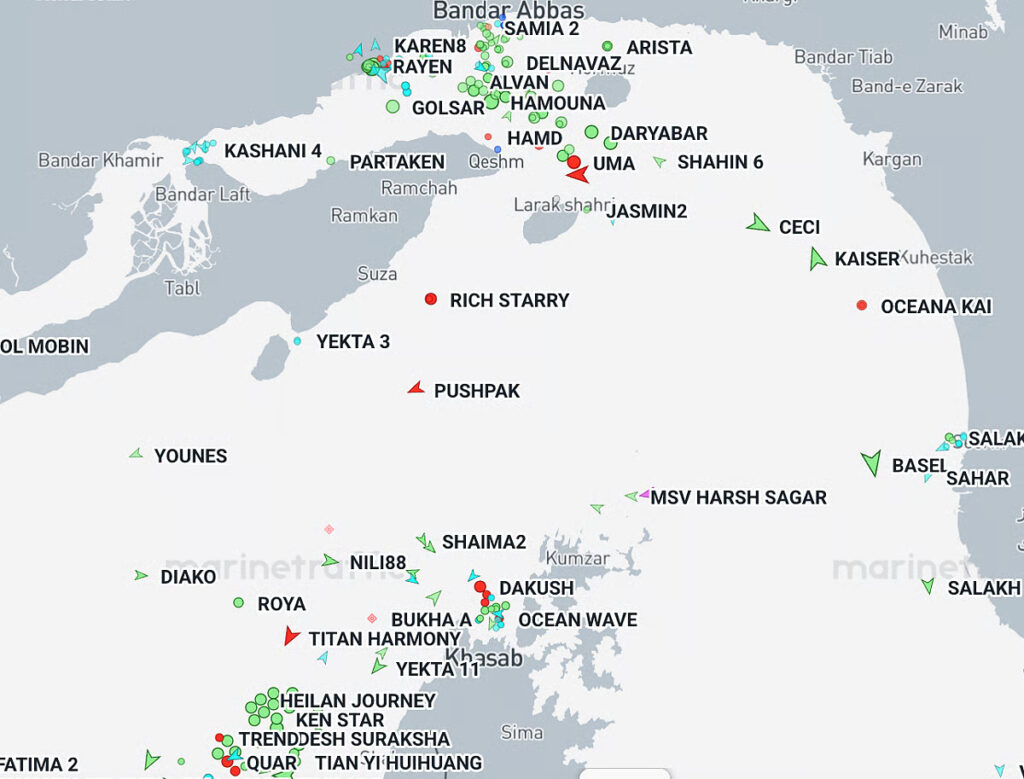
Recent crossings largely involve ships bound for or departing from non-Iranian ports, consistent with CENTCOM’s position that the blockade does not apply to non-Iran-linked trade.
Maritime analysts say vessels have adjusted routes, using corridors along the Iranian and Omani coasts amid security concerns and alternative advisories. The Wall Street Journal, citing U.S. officials, reported over 20 ships crossed the strait in the past 24 hours, with some stopped. Kpler data also showed at least three post-blockade transits, including the Liberia-flagged bulk carrier Christianna, which offloaded cargo at Bandar Imam Khomeini and passed near Larak Island after restrictions were imposed.
Although traffic has increased, it remains far below peacetime levels. Prior to the conflict, around 100 commercial ships transited the Strait of Hormuz daily. Continued movement through the waterway underscores efforts to sustain key supply chains despite regional tensions.

