

Here’s what official guidance lists as the main reasons visas are rejected.
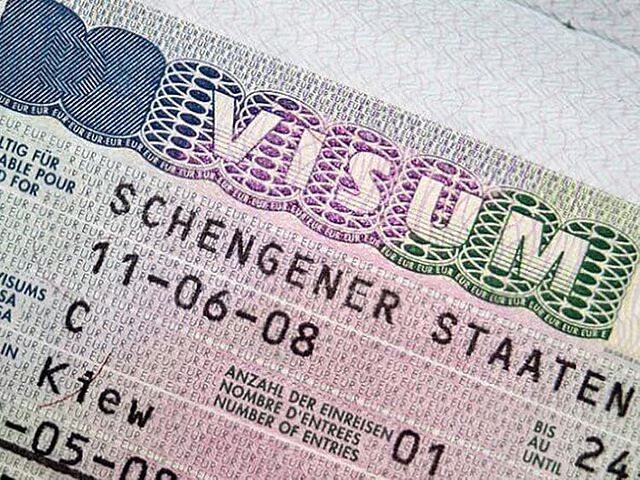
Dubai: For UAE residents planning a European trip, a Schengen visa rejection can disrupt flights, hotel reservations, and meticulously planned itineraries. Although overall approval rates remain high, applications are still denied each year—often for reasons that could be avoided.
Schengen embassies and consulates are required to evaluate each application according to the EU Visa Code. If specific conditions are not met, they must refuse the visa and provide the legal grounds for the refusal.
Here are the most common reasons Schengen visa applications from the United Arab Emirates are rejected, along with key points travellers should double-check before submitting their documents. These reflect official requirements as well as widely observed practices.
Incomplete or incorrect documentation
Missing documents or errors in your application are among the top reasons for visa refusal, even if all other requirements are met. Applications must include all necessary paperwork, including your passport, photos, proof of accommodation, and any supporting evidence.
What to check:
- Passport with at least three months’ validity beyond your planned departure date.
- Correctly and fully completed visa application form.
- Consistent and accurate dates and names across all documents.
Insufficient proof of financial means
You must demonstrate that you can cover all travel, accommodation, and daily expenses during your trip without relying on public funds in Europe.
Tips to avoid rejection:
Submit recent bank statements (covering the past 3–6 months) showing consistent transactions and sufficient balances.
If your trip is sponsored, include a notarised sponsorship letter along with the sponsor’s financial documents.
No valid Schengen travel insurance
Travel insurance is mandatory for all Schengen visa applicants. Your policy must:
- Provide a minimum coverage of €30,000 for medical emergencies and repatriation.
- Be valid in all Schengen countries you plan to visit.
- Cover the entire duration of your stay.
Unclear purpose of stay or inconsistent itinerary
Consulates must be satisfied with the reason for your travel and your accommodation plans. Vague explanations or conflicting details in your flights, hotels, or planned visits can lead to refusal, as the purpose and conditions of your stay must be clearly justified.
Best practice:
- Provide a detailed day-by-day itinerary, confirmed hotel bookings, and clear plans for each part of your trip.
Not proving intention to return home
Visa officers evaluate whether you are likely to leave the Schengen Area before your visa expires. Weak ties to your home country—such as short-term employment, lack of family commitments, or insufficient documentation—can raise doubts and lead to rejection.
How to strengthen this:
- Include an employment letter specifying approved leave dates.
- Provide proof of property ownership, family ties, or other long-term commitments in the UAE.
Invalid travel bookings or misleading documents
Fake or unverifiable hotel and flight bookings are a common reason for visa rejection. Always include actual, confirmed reservations rather than generic or placeholder documents with your application.
Previous visa violations, overstays, or security concerns
Visa systems, including the Visa Information System (VIS), track past visa activity. Previous overstays, breaches of visa rules, or alerts in the VIS database can result in refusal under the Visa Code’s established grounds.
Criminal history or security risks
Applicants who pose a threat to public policy, security, or health — including those with a serious criminal record — may have their visa refused under EU rules.
Official legal basis for visa refusal and appeal rights
Under the EU Visa Code (Regulation (EC) No 810/2009), each visa application must be assessed individually, and refusals must be based on explicit grounds outlined in Article 32(1). Consulates are required to provide the reason for refusal using the standard form (Annex VI). Applicants may have the right to appeal, depending on the national procedures of the Schengen state.
Tips to avoid rejection before applying
- Apply early: Submit your application at least 4–6 weeks before travel, as processing times vary by season and country.
- Follow the checklist: Use the official document list provided by the embassy or consulate.
Use reliable bookings: Include only verified, genuine flight and hotel reservations; avoid placeholders or fake document.

