

The new digital systems are designed to automate prosecution processes, travel bans, and enforcement procedures.
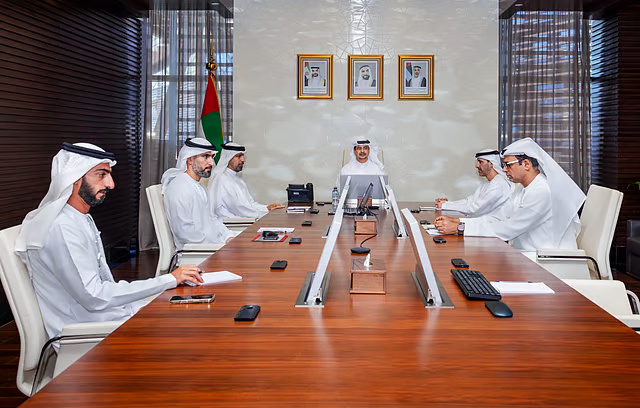
Abu Dhabi: The Abu Dhabi Judicial Department has reviewed a range of upcoming projects aimed at expanding the use of artificial intelligence across the judicial system and notary services, as part of efforts to improve efficiency and strengthen smart government services.
The plans were discussed during a meeting of the Committee for the Use of Artificial Intelligence in Judicial and Notary Services, chaired by Counsellor Yousef Saeed Al Abri, Undersecretary of the Abu Dhabi Judicial Department.
The meeting focused on enhancing cooperation with the Department of Government Enablement and supporting wider Abu Dhabi government initiatives to expand the use of artificial intelligence across public services.
Officials also reviewed several digital initiatives aimed at enhancing service quality for customers and streamlining judicial procedures.
Al Abri said the initiatives are aligned with the vision of Sheikh Mohamed bin Zayed Al Nahyan to develop advanced and innovative government systems across various sectors.
He added that the projects also support the directives of Sheikh Mansour bin Zayed Al Nahyan, Vice President, Deputy Prime Minister, Chairman of the Presidential Court, and Chairman of the Abu Dhabi Judicial Department, to adopt modern digital solutions that enable faster and more efficient delivery of justice.
According to Al Abri, the Judicial Department has already automated several key judicial and notary services, enabling them to be completed without direct human intervention.
These include processing requests submitted to the Public Prosecution and criminal courts, as well as issuing orders to lift search notices, cancel travel bans, and remove arrest warrants immediately after fines are paid.
The department has also implemented automated systems for court and enforcement procedures, including lifting restrictions on enforcement files once payments are completed.
In addition, tenancy-related requests for opening enforcement files can now be processed automatically, with funds transferred directly to enforcement applicants, helping to reduce waiting times and speed up procedures.
Al Abri said the committee also discussed the importance of establishing clear operational controls to ensure that artificial intelligence systems are used in compliance with UAE laws and regulations.
Training programmes for judicial and administrative staff were also reviewed to ensure employees are equipped to work with emerging technologies while maintaining high standards of performance.
At the conclusion of the meeting, the committee approved several recommendations, including expanding the use of AI and digital solutions across the judicial sector and promoting further innovation to support future development plans.
Officials said the initiative reflects Abu Dhabi’s commitment to developing a modern judicial system that integrates technology, efficiency, and high-quality public services.

