

Port Khalid and Hamriyah Strengthen Sharjah’s Appeal to Global Investors.
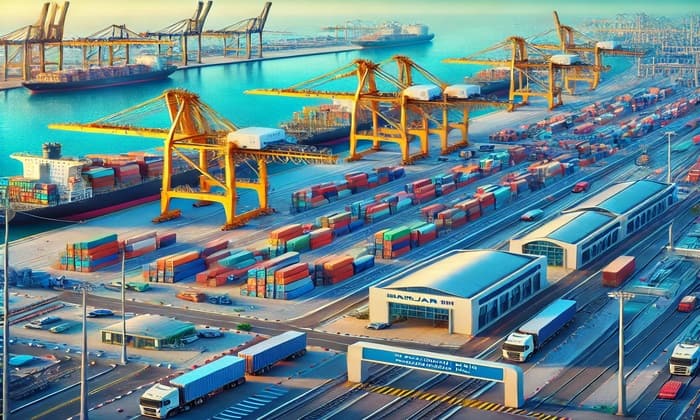
DUBAI: Sharjah is promoting its ports, industrial zones and investor services as a resilient base for companies seeking to navigate escalating costs and supply-chain disruptions across the region.
Mohamed Juma Al Musharrkh, Chief Executive Officer of the Sharjah FDI Office, Invest in Sharjah, said the emirate’s strategy for maintaining investor confidence is centred on flexibility, strong connectivity and uninterrupted business operations.\
“Sharjah’s approach to safeguarding investor confidence is rooted in flexibility, connectivity and operational continuity. With access to both the Arabian Gulf and the Gulf of Oman through key maritime gateways such as Port Khalid, Hamriyah Port and Khorfakkan Port, companies benefit from multiple routes to regional and international markets,” Al Musharrkh told Gulf News in an exclusive interview.
This connectivity, he said, reduces dependence on any single trade corridor and enhances supply-chain resilience, giving businesses greater flexibility to adapt to shifting market conditions and potential disruptions.
The message comes at a time when investors are paying closer attention to how regional economies withstand periods of uncertainty. Rising logistics costs, supply-chain disruptions and geopolitical tensions are increasingly making operational resilience a key factor in investment decisions.
Investors ask about continuity
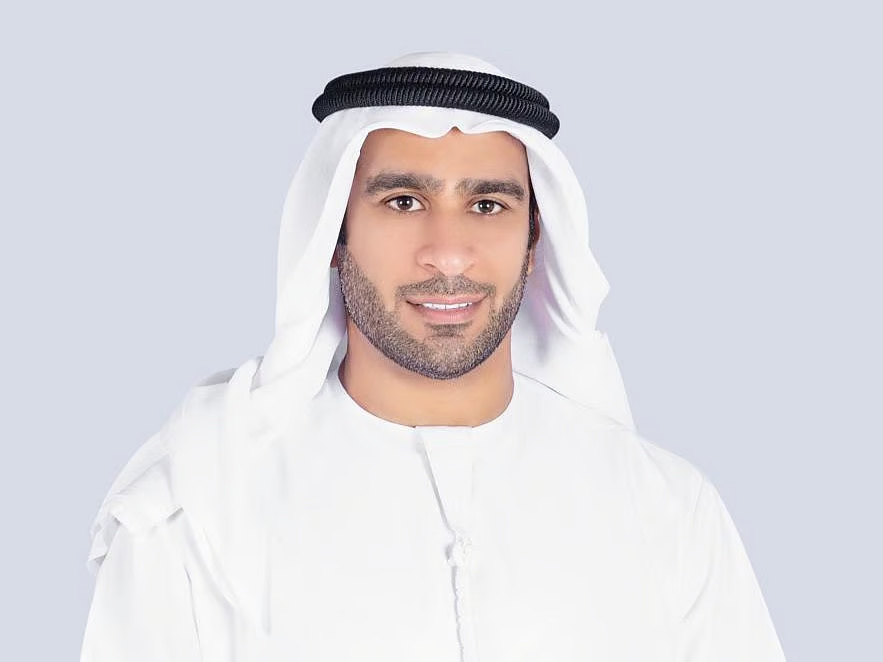
Al Musharrkh said the nature of investor discussions has evolved in recent months. While companies remain focused on growth opportunities, they are placing greater emphasis on the ability to maintain seamless operations during periods of market volatility and disruption.
“Investor conversations today are less about identifying opportunity, and more about validating continuity at scale,” he said.
According to Al Musharrkh, businesses are increasingly seeking reassurance that supply chains, logistics networks and operational infrastructure can continue functioning effectively even when external conditions become more challenging. As a result, resilience and adaptability are becoming as important to investors as traditional considerations such as market access, costs and growth potential.
According to Al Musharrkh, investors are increasingly focused on how trade flows can be maintained during disruptions, how quickly supply chains can adjust to changing conditions and whether business models are designed around flexibility rather than reliance on a single route, market or system.
“There is a clear shift toward assessing structural resilience, the diversity of trade corridors, the strength of logistics networks, and the ability to absorb cost fluctuations without disrupting business continuity,” he said.
As a result, Sharjah is being evaluated not only for its investment appeal, but also for the resilience of its business ecosystem and its capacity to help companies operate, adapt and expand during periods of uncertainty.
Ports and dry port strengthen the network
Sharjah’s logistics proposition is built around a combination of dual-coast access and strong inland connectivity. By linking maritime gateways on both the Arabian Gulf and the Gulf of Oman with inland logistics infrastructure, the emirate offers businesses multiple options for moving goods efficiently across regional and international markets.
This network is designed to enhance supply-chain flexibility, reduce dependence on individual trade routes and support uninterrupted operations when external pressures affect global shipping and logistics flows.
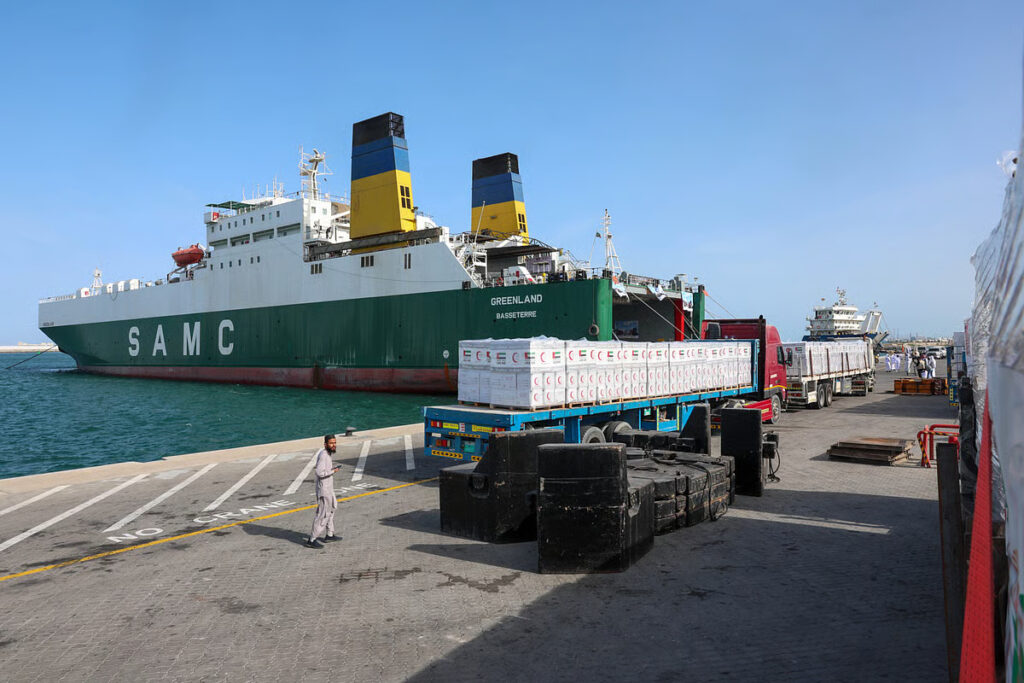
The emirate’s logistics network is anchored by access to Port Khalid, Hamriyah Port and Khorfakkan Port, providing companies with trade routes through both the Arabian Gulf and the Gulf of Oman. This maritime infrastructure is complemented by Sajaa Dry Port, which connects cargo flows from the ports to production facilities, storage centres and distribution networks across the emirate.
Al Musharrkh said the integrated network helps businesses navigate periods of pressure by improving efficiency, flexibility and predictability across supply chains.
“The objective is not to eliminate cost pressures, but to manage them through efficiency and predictability. In periods of volatility, predictability becomes a defining factor in protecting margins, ensuring delivery timelines, and reinforcing long-term investor confidence,” he said.
He added that Sharjah’s regulatory framework and integrated investor-support services further strengthen business confidence by enabling companies to adapt quickly to changing conditions without disrupting operations. Together, these factors help create an environment where businesses can maintain continuity while pursuing long-term growth, even during periods of economic and geopolitical uncertainty.
Manufacturing remains a core draw
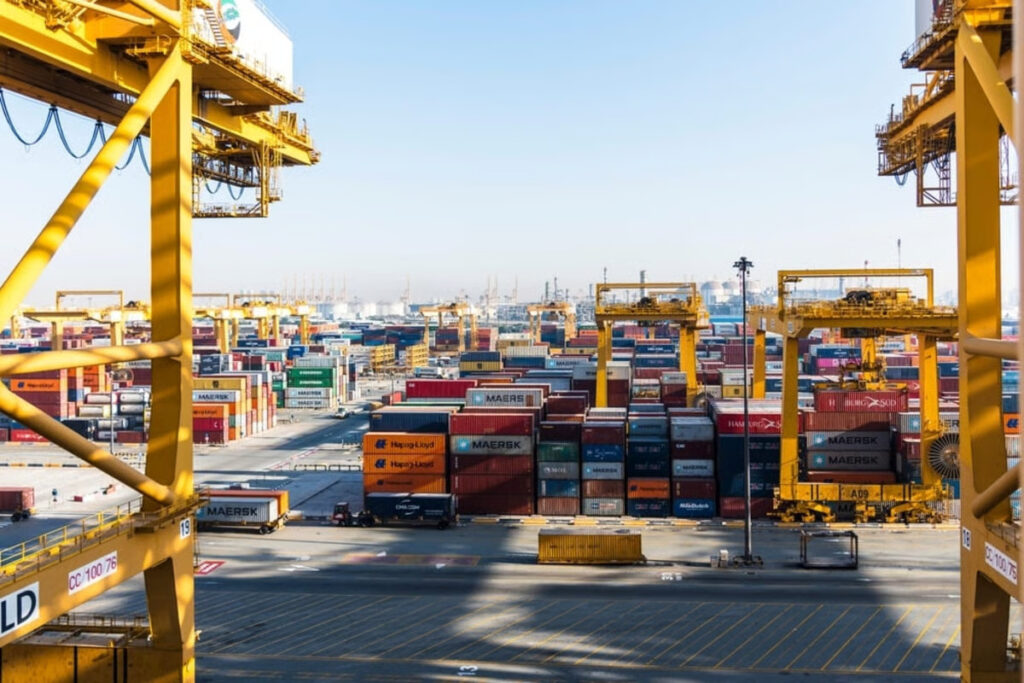
Manufacturing continues to be one of Sharjah’s strongest investment attractions, contributing around 18 per cent of the emirate’s economy. The sector is supported by a network of more than 2,800 factories operating across 21 industrial zones, while products manufactured in Sharjah are exported to more than 120 countries worldwide.
Al Musharrkh said investor interest is increasingly shifting toward sectors underpinned by tangible demand, production capabilities and supply-chain reliability.
“Investment in Sharjah is increasingly directed toward sectors anchored in real demand, production capacity, and continuity of supply,” he said.
According to Al Musharrkh, investors are placing greater value on industries that demonstrate long-term resilience and the ability to maintain output despite changing market conditions. As a result, manufacturing, logistics, food production, healthcare, advanced industries and other essential sectors are attracting heightened attention from businesses seeking stable growth opportunities and dependable operating environments.
Logistics is also attracting stronger investor interest as companies seek regional bases that combine port access, warehousing facilities, inland connectivity and close proximity to key consumer markets.
Healthcare, education, food security and essential services are similarly drawing attention, driven by their connection to long-term population growth, stable demand and broader economic resilience.
“What we are seeing is a clear shift in investor priorities, toward sectors that are not only positioned for growth, but built for resilience,” Al Musharrkh said.
Resilient bases gain importance
Companies are also re-evaluating how they structure their regional operations, with greater emphasis being placed on resilience, flexibility and continuity.
Al Musharrkh said sectors such as logistics, light manufacturing, healthcare, education and food-related industries are becoming increasingly important because they rely on dependable infrastructure and benefit from consistent underlying demand.
As businesses adapt to a more uncertain global environment, the ability to operate from locations that offer reliable connectivity, diversified supply chains and long-term stability is becoming a key consideration. This shift is prompting companies to look beyond traditional growth metrics and place greater value on ecosystems that can support uninterrupted operations and sustained expansion over time.
“In Sharjah, these sectors are supported by a connected ecosystem of ports, industrial zones, free zones and logistics infrastructure, enabling businesses to integrate production, storage and distribution within a single environment,” Al Musharrkh said.
According to him, this integrated model reduces dependence on extended supply chains, enhances operational efficiency and strengthens resilience against external disruptions.
The investment figures reflect continued confidence in Sharjah’s manufacturing sector. In 2025, the emirate attracted 31 foreign direct investment projects in manufacturing, representing capital inflows of $434.6 million. Over the past five years, Sharjah secured 99 manufacturing projects with a combined investment value of $957.3 million.
Sharjah also accounts for approximately 40 per cent of the UAE’s industrial establishments, reinforcing its position as one of the country’s leading manufacturing and production hubs. This strong industrial base, combined with extensive logistics infrastructure and export connectivity, continues to support the emirate’s appeal to investors seeking long-term growth opportunities anchored in productive economic activity.
Support after setup
Al Musharrkh said Sharjah’s investor support framework extends well beyond the initial stages of licensing and business setup.
Through Invest in Sharjah and the Sharjah Investors Services Centre (SAEED), investors are provided with a single, coordinated point of contact for licensing, approvals and engagement with relevant government entities.
“Sharjah’s investor support is designed to remove friction from the entire investment journey, from first enquiry to full operation,” he said.
According to Al Musharrkh, the support does not end once a company is established. Businesses continue to receive assistance as they expand operations, recruit talent and adapt to evolving market conditions. The aim is to provide investors with long-term support throughout the business lifecycle, helping them navigate growth opportunities and operational challenges while maintaining continuity.
This ongoing engagement forms part of Sharjah’s broader strategy to create a business environment that combines ease of doing business with long-term resilience, enabling companies to scale and respond effectively to changing economic circumstances.
“Invest in Sharjah also plays an active role in connecting investors with opportunities that align with the emirate’s sector priorities and long-term economic vision,” Al Musharrkh said.
As businesses place greater emphasis on resilience and continuity, Sharjah is positioning itself as an operating base built on strong manufacturing capabilities, integrated logistics networks, industrial depth and a stable regulatory environment.
According to Al Musharrkh, these strengths are becoming increasingly valuable as companies reassess how and where they invest amid a more uncertain global landscape.
“In periods of uncertainty, that combination becomes a competitive advantage. Sharjah offers investors a market where they can continue to operate, produce, and grow with clarity, stability, and purpose,” he said.
The emirate’s message to investors is clear: beyond its investment incentives and strategic location, Sharjah aims to provide the infrastructure, connectivity and institutional support needed to help businesses maintain continuity, adapt to change and pursue long-term growth with confidence.

