

Energy markets rattle as Iran rejects renewed US talks, pushing oil prices higher.
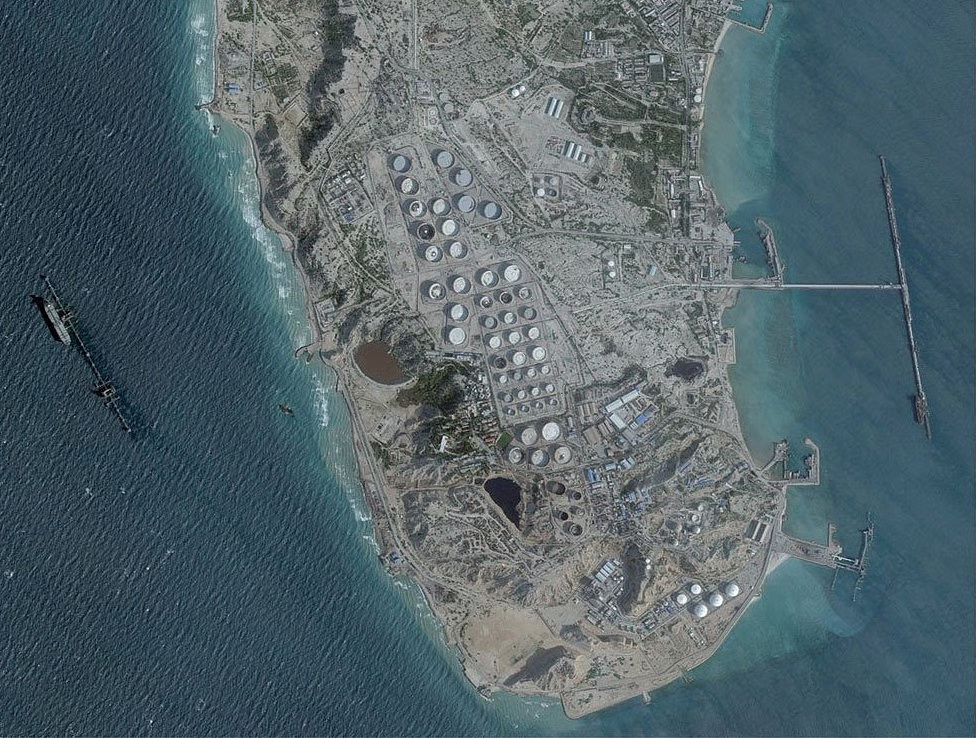
Oil prices surged in early Monday (April 20, 2026) trading in Asia, with West Texas Intermediate (WTI) crude at $90.22 per barrel, up $6.37 (7.60%), and Brent crude at $96.30 per barrel, rising $5.92 (6.55%) as of 8:36 am Tokyo time (11:36 pm GMT Sunday).
The gains came as markets reacted to renewed geopolitical risk, while Murban crude fell 9.80% to $91.70 and natural gas rose 1.42% to $2.712.
Overall, oil prices climbed amid a convergence of risks, including military escalation, uncertainty over shipping through the Strait of Hormuz, potential setbacks in diplomacy, and growing fears of prolonged supply disruptions.
Brent and WTI crude benchmarks are trading higher early Monday, driven largely by renewed geopolitical tensions in the Middle East—particularly concerns surrounding the Strait of Hormuz.
Key factors behind the price surge include:
Renewed US–Iran military escalation
Oil prices surged after fresh clashes between the United States and Iran over the weekend, including reports of attacks on commercial vessels and the seizure of an Iranian-flagged ship by U.S. forces. Reuters and other outlets reported that the incident escalated tensions further in the Gulf.
The developments signalled that expectations of de-escalation were fading, with both sides accusing each other of violating ceasefire terms and targeting maritime traffic in the region
Continued disruption and uncertainty in the Strait of Hormuz
Markets also reacted to ongoing instability in the Strait of Hormuz, a critical chokepoint for global oil shipments. Reports indicate that shipping flows remain inconsistent, with periodic closures, vessel seizures, and military warnings disrupting transit.
The uncertainty has kept a significant risk premium in oil prices, as traders factor in potential supply shocks linked to any renewed blockade or escalation in the region.
The strait — a 33-km-wide chokepoint through which roughly 20% of global oil supply flows — remains highly unstable amid ongoing tensions.
Iran had earlier signalled a possible reopening, but later reversed course following continued hostilities and the presence of a U.S. naval blockade. Recent reporting indicates that shipping movements remain heavily restricted or intermittently disrupted, with no consistent passage guaranteed.
Even when limited transit is possible, analysts say shipping confidence remains “low,” as insurers, operators, and traders factor in the risk of sudden escalation or closure.
Uncertainty over peace talks has further added to volatility, with diplomatic efforts repeatedly stalling and no clear timeline for a durable agreement.
Planned negotiations in Pakistan have not yet been confirmed by Iran, while earlier rounds of talks reportedly stalled due to major policy disagreements.
The breakdown removed a key factor that had briefly eased oil prices in the previous week, when hopes of diplomatic progress helped cool market fears.
Markets remain highly sensitive to developments in diplomacy, and the absence of meaningful progress has renewed concerns that the conflict could become prolonged.
As a result, a war risk premium has returned to oil markets, with traders pricing in the possibility of continued disruption to supply routes and geopolitical escalation.
Traders quickly priced in a range of risks, including:
- Escalation into a wider regional conflict
- Potential attacks on energy infrastructure
- Prolonged disruptions to global oil supply
- A broader shock to international energy markets
Countries and financial markets are responding to what officials describe as a significant energy disruption, with ripple effects expected across crude oil prices, inflation trends, and global economic forecasts.
Energy analysts say that as long as tensions between the U.S. and Iran remain unresolved and uncertainty continues around the Strait of Hormuz, oil markets are likely to stay volatile, with persistent upward pressure on prices.

