

Abu Dhabi’s NMDC Group offers insights into the future of energy investment.
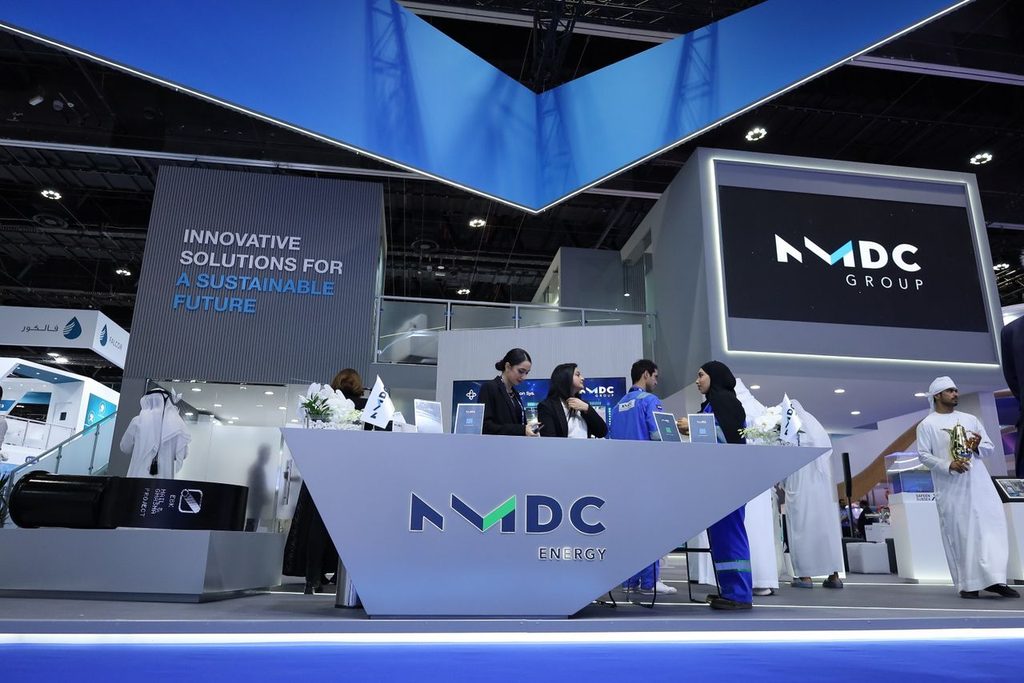
Abu Dhabi: Safety is the clearest example of artificial intelligence delivering a tangible impact on energy projects, according to Dr Yasser Zaghloul, Group CEO of National Marine Dredging Company (NMDC) Group.
Speaking at this year’s ADIPEC, where AI in the energy sector was a major topic of discussion, Zaghloul said the real transformation is happening away from the spotlight. Over the next five years, AI will move beyond being a showcase technology and become an integral part of how energy projects are planned, built and maintained.
He said companies can move beyond the excitement surrounding AI by linking every digital investment to measurable results on site, with safety offering some of the clearest evidence of its benefits.
Zaghloul cited AMAN, NMDC’s AI-powered camera system deployed across its fabrication yards and offshore vessels. The system analyses live video footage to identify potential hazards, including workers not wearing the required protective equipment and risks associated with suspended loads. This allows teams to intervene before an accident occurs.
On cost and productivity, Zaghloul said applying AI throughout a project lifecycle — from design and procurement to construction and vessel operations — helps teams identify delays and errors earlier.
This reduces the need for rework, helping projects remain within budget and meet deadlines.
What it looks like in everyday practice
Zaghloul said the biggest shift will come as AI moves beyond experimental trials and becomes part of daily operations across the energy supply chain. Its greatest value, he argued, lies in giving companies a clearer picture of operations, enabling faster decisions and providing earlier warnings of potential problems in operations and supply chains.
In practical terms, this includes predicting equipment maintenance needs, using automated systems to inspect underwater and onshore structures, improving the sourcing of materials and equipment, and monitoring health, safety and environmental conditions in real time.
In the UAE, where long-term national planning is supported by significant infrastructure investment, he believes these technologies will help the industry deliver complex onshore and offshore projects more safely, reliably and sustainably.
Scaling up across a large workforce
Rolling out AI across an organisation with more than 35,000 employees, Zaghloul said, requires as much attention to culture and governance as it does to technology.
NMDC now operates more than 70 AI agents across various functions. However, Zaghloul said his guiding principle remains: “Technology does not replace engineering judgment; it sharpens it.”
He said adoption is most effective when it is not imposed from the top. When dredge masters, project managers and yard engineers see how AI tools or virtual reality simulations can help them plan heavy lifts more safely, use vessels more efficiently or streamline procurement, they are more likely to embrace the technology themselves.
Partnerships and homegrown innovation
No single company can digitalise an entire industry on its own, Zaghloul said, calling for closer collaboration between energy producers, engineering and marine contractors, global technology companies, and local universities and research institutions.
For UAE companies to become technology creators rather than simply users, he said, two priorities are essential: developing solutions jointly with partners and investing in people.
Training Emirati engineers and data specialists will help ensure local talent is equipped to design, train and oversee these systems, he added.

