

The 2026 Investor Guide details registration requirements for non-resident businesses.
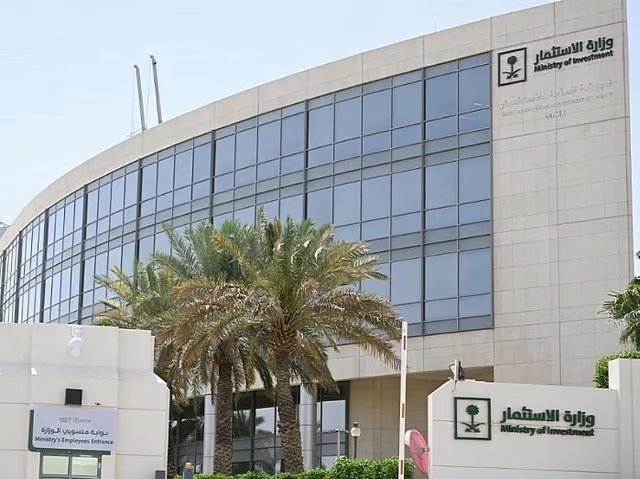
Dubai: Saudi Arabia has introduced new requirements for non-resident foreign companies seeking to own property in the Kingdom without establishing or carrying out economic activities, as part of regulatory updates included in the Investor Guide 2026.
The Ministry of Investment said the new framework is designed to provide greater clarity for foreign entities pursuing real estate ownership, while supporting the implementation of the Kingdom’s updated investment regulations.
Under the requirements, according to Okaz, foreign companies must submit a commercial registration certificate issued in their home country, along with articles of incorporation translated by accredited translators and authenticated through Saudi diplomatic channels. Companies are also required to provide documentation authorising a representative to act on their behalf in Saudi Arabia.
The ministry said applicants are required to appoint an individual representative through a certified power of attorney to complete registration procedures. Foreign companies without an identification document recognised under Saudi regulations must also obtain a digital identity via Saudi diplomatic missions abroad.
For annual renewals, companies must confirm that no changes have been made to their ownership structure or management since their registration with the Ministry of Investment.
The new rules are available through the ministry’s electronic platform and form part of a dedicated section in the Investor Guide 2026 that covers the registration of non-Saudi companies for property ownership purposes.
The guide also sets out procedures for property acquisition, appointment of authorised representatives, asset management and disposal, opening bank accounts, and updating company information with the relevant authorities.
According to the ministry, the dedicated property ownership chapter is one of the most significant additions to the latest edition of the guide, offering a more detailed regulatory framework for foreign corporate real estate ownership than was previously in place.

