

Up to 265 weekly international flights could be relocated during Terminal 1 reconstruction.
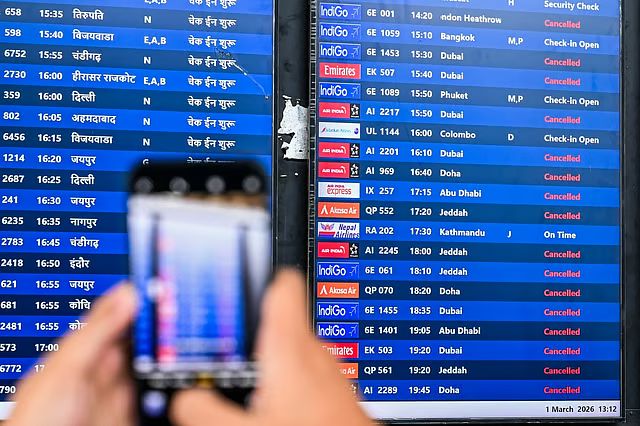
International passengers travelling through Mumbai could see changes to flight schedules, terminal arrangements and airport access as Mumbai International Airport prepares for the phased redevelopment of Terminal 1.
Mumbai International Airport Ltd (MIAL), operated by Adani Airport Holdings, has asked airlines to temporarily move a portion of their international operations to Navi Mumbai International Airport (NMIA). Some flights currently handled at Terminal 1 are also expected to be shifted to Terminal 2.
The changes are part of plans to redevelop the 60-year-old Terminal 1, with work scheduled to begin in January 2027.
What could change for international passengers?
As part of the transition, MIAL has proposed temporarily withdrawing 265 of the 770 weekly international departure slots available at Terminal 2, starting October 25.
The proposed adjustment is expected to affect 46 airlines, potentially resulting in changes to flight schedules and airport operations for international travellers.
Airlines have been asked to confirm by October 6 which international slots they are willing to temporarily give up. If they fail to respond by the deadline, MIAL has said it will determine the slots based on airport capacity and operational requirements.
Under the proposal, IndiGo could see the largest reduction, with 74 weekly international departure slots affected. Air India could lose 33 slots, followed by Akasa Air with 11, Emirates and Etihad Airways with 10 each, British Airways with seven, and Air India Express with seven.
Airlines have formally opposed the proposed reductions. While they have expressed support for the redevelopment of Terminal 1, they have objected to reducing established international slots as part of the transition.
What does this mean for UAE passengers?
Travellers flying between the UAE and Mumbai could be affected, particularly those using Emirates, Etihad Airways, Air India, IndiGo and other carriers covered by the proposed changes.
For passengers travelling from Dubai or Abu Dhabi, one of the main factors to watch will be whether their flight continues to operate from Mumbai International Airport or is temporarily moved to Navi Mumbai International Airport (NMIA).
Any change in airport or flight schedule could also affect passengers with domestic connections, onward travel arrangements or pre-booked airport transfers.
Could your international flight move to Navi Mumbai?
Yes. Some international services could temporarily move to Navi Mumbai if airlines shift part of their operations there during the Terminal 1 redevelopment.
MIAL has asked carriers to consider transferring some international operations to NMIA as part of measures to manage capacity while redevelopment work is underway.
The airport operator has said the arrangement would be temporary. Historical slots at Mumbai airport, along with additional slots, are expected to be restored once the redeveloped terminal becomes operational.
Airlines, however, have raised objections to the proposal and questioned the basis for reducing international capacity during the redevelopment period.
What could change for passengers?
For travellers whose flights are transferred to Navi Mumbai, the most noticeable change will be the airport they need to use.
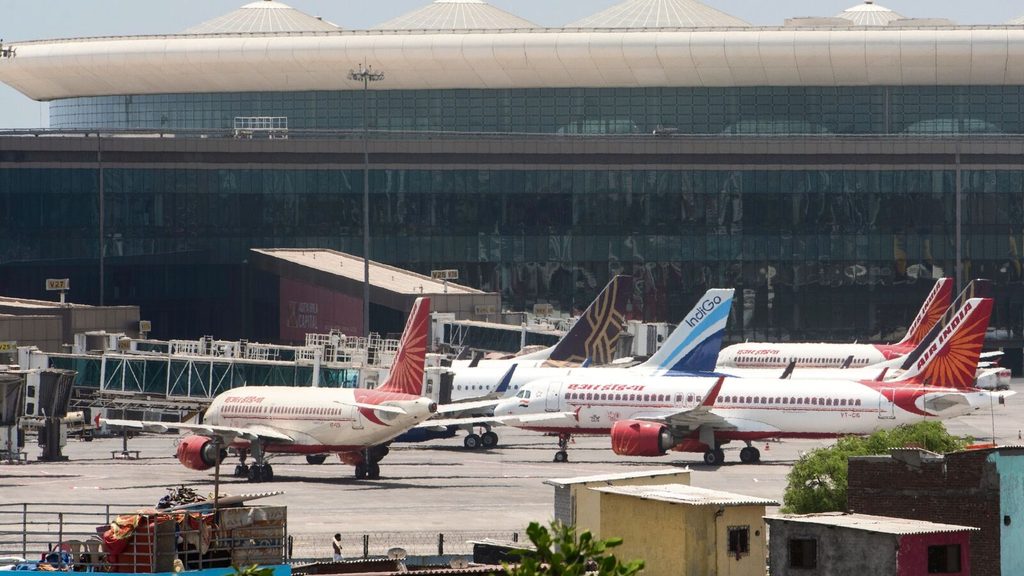
Mumbai International Airport and Navi Mumbai International Airport are separate facilities, meaning passengers will need to carefully check their booking details before travelling. NMIA is around 50km from Mumbai airport, so a change of airport could also affect travel times, transfers and onward journey plans.
The temporary shift of flights to Navi Mumbai could bring several changes for travellers, including longer road journeys, increased travel times, additional transport expenses and possible changes to flight schedules or airport details.
Passengers who have already booked their tickets could also face disruption if airlines reschedule, cancel or move services to a different airport.
Will passengers have to pay more?
There is a possibility of higher costs, although Adani Airports has outlined measures aimed at limiting the financial impact on travellers.
One key difference is the User Development Fee (UDF), which is included in the cost of an airline ticket and is higher at Navi Mumbai International Airport than at Mumbai airport.
Adani Airports has said it plans to offer cash vouchers to international passengers to compensate for the difference between the UDF charged at Navi Mumbai and Mumbai airports.
Navi Mumbai airport is also offering a 100% discount on landing fees for new international services, a measure designed to encourage airlines to shift flights to the new airport.
How many passengers could be affected?
According to Adani Airports, the Terminal 1 redevelopment is expected to temporarily affect around five million passengers annually, representing about 9% of Mumbai airport’s yearly passenger traffic.
Mumbai airport currently handles approximately 55 million passengers a year.
Adani Airports says the remaining 91% of passenger traffic is expected to continue without being affected by the redevelopment.
To limit disruption during the initial stage, only the North Section of Terminal 1B is scheduled for demolition in the first phase.
Why is Terminal 1 being redeveloped?
According to Adani Airports, the 60-year-old Terminal 1 requires redevelopment to address long-standing safety concerns and prepare the airport for future passenger demand.
Once completed, the redevelopment is expected to increase Terminal 1’s annual handling capacity by about 33%, from the current 15 million passengers to 20 million.
The operator says carrying out the project in phases will allow airport operations to continue during construction instead of requiring the entire terminal to shut down at once.
What happens to flights currently using Terminal 1?
From October 25, MIAL plans to transfer at least some of the passenger traffic currently handled at Terminal 1 to Terminal 2.
Beginning October 26, facilities at Terminal 2 are expected to be reallocated to accommodate additional domestic operations transferred from T1. These changes will include adjustments to check-in counters, baggage belts and boarding gates.
Passengers travelling during the transition period may therefore need to pay closer attention to their terminal information before arriving at the airport.
Why are airlines objecting?
While airlines have expressed support for the redevelopment of Terminal 1, they have opposed the proposed reduction in international departure slots.
Their objections centre on the impact that reducing established international slots could have on existing flight operations and capacity during the redevelopment period.
Airlines argue that the winter flight schedule was approved in June 2026 and that decisions on aircraft deployment, route planning and passenger bookings have already been made based on those allocated slots.
Carriers have also raised concerns about the consultation process and questioned the operational justification for reducing international capacity by roughly one-third.
The Airline Operators Committee-Mumbai has taken the matter to aviation authorities, including the Directorate General of Civil Aviation (DGCA), the Ministry of Civil Aviation and the Airports Economic Regulatory Authority (AERA).
What happens next?
The first key deadline is October 6, by which airlines have been asked to identify the international departure slots they are prepared to temporarily discontinue.
The proposed changes to international slots are expected to take effect from October 25, while redevelopment work at Terminal 1 is scheduled to begin in January 2027.
The ongoing discussions between MIAL and airlines could ultimately determine the number of international flights affected and whether some services will be temporarily transferred to Navi Mumbai International Airport.
What should passengers do?
Passengers travelling through Mumbai during the transition period should:
- Check their booking and flight status regularly before departure.
- Confirm the airport and terminal listed in their latest travel information.
- Allow extra travel time if their flight is transferred to Navi Mumbai.
- Check directly with their airline for changes to departure times, flight numbers, terminals or airports.
Importantly, a proposed reduction in international slots does not necessarily mean that a specific flight will be cancelled. Travellers with existing bookings should wait for official confirmation from their airline before making changes to their travel plans.

