

Countries cut fuel taxes, reduce energy consumption, and look for alternative crude supplies amid supply disruptions.
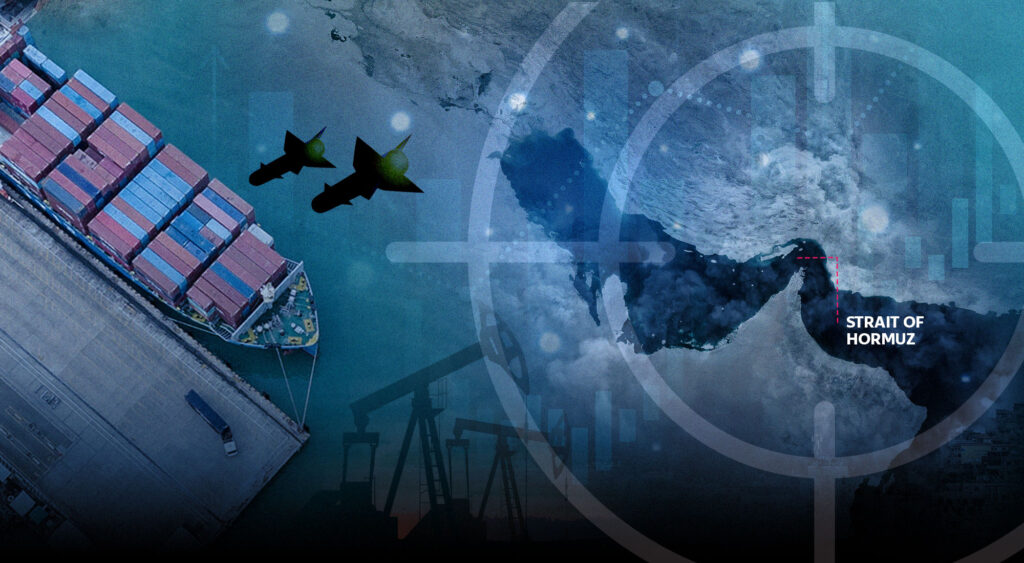
Oil prices climbed while Asian stocks dropped on Monday as the Middle East conflict intensified, with Yemen’s Houthi rebels joining the fray and growing investor fears of potential US ground troop involvement.
Asian markets fell between 1–3%, while European markets opened with mixed performances.
Brent crude rose over 3% to nearly $109 per barrel, and WTI jumped more than 2% to around $102 per barrel, crossing the $100 mark.
Key economic developments amid the Middle East war include:
G7 Meeting
France announced that G7 finance ministers and economic leaders will convene on Monday to discuss the economic fallout from the Middle East conflict.
Finance Minister Roland Lescure said the G7 talks would bring together energy and finance ministers, central bank governors, and heads of key international agencies to address the economic impact of the Middle East conflict.
Australia Halves Fuel Tax
Prime Minister Anthony Albanese announced that Australia will reduce its petrol sales tax by 50% for three months, lowering the current levy of 52 cents per litre to ease the burden of rising fuel prices on motorists.
Bangladesh Orders Energy Savings
Bangladesh has directed government offices to turn off unnecessary lights and lower air conditioning usage as part of efforts to conserve energy amid a worsening global supply crunch triggered by the Middle East war.
Bangladesh Energy Measures
Ministry official Sakhawat Hossain told AFP that the public administration ministry has issued directives on office attendance along with electricity and fuel conservation measures to cope with the energy crunch.
Philippines Secures Russian Crude
The Philippines’ only oil refinery, Petron, has acquired nearly 2.5 million barrels of Russian crude. The deal follows the cancellation of at least four million barrels of shipments since the outbreak of the Middle East war, according to a stock exchange filing.
Gulf Energy Targeted
An Iranian strike on a power station in Kuwait killed one worker and caused “significant material damage,” the Gulf state’s electricity ministry reported.
Iran Targets Gulf Aluminium Plants
Over the weekend, Iran claimed missile and drone strikes on two major aluminium facilities in the Gulf, describing them as linked to the US military.
Aluminium Bahrain reported that its plant was hit, leaving two employees injured, while UAE-based Emirates Global Aluminium said one of its Abu Dhabi sites sustained significant damage and six people were wounded.
Iranian Grid Partially Restored
Deputy Energy Minister Mostafa Rajabi-Mashhadi told state television that electricity has been restored in parts of Tehran and surrounding areas after strikes temporarily disrupted the power supply.
US Response
President Donald Trump has warned of potential strikes on Iranian power stations if Tehran fails to negotiate a peace deal, though he has repeatedly extended the deadline for such talks.

