

Proactive planning enables developers to emphasize lasting performance rather than immediate launches.
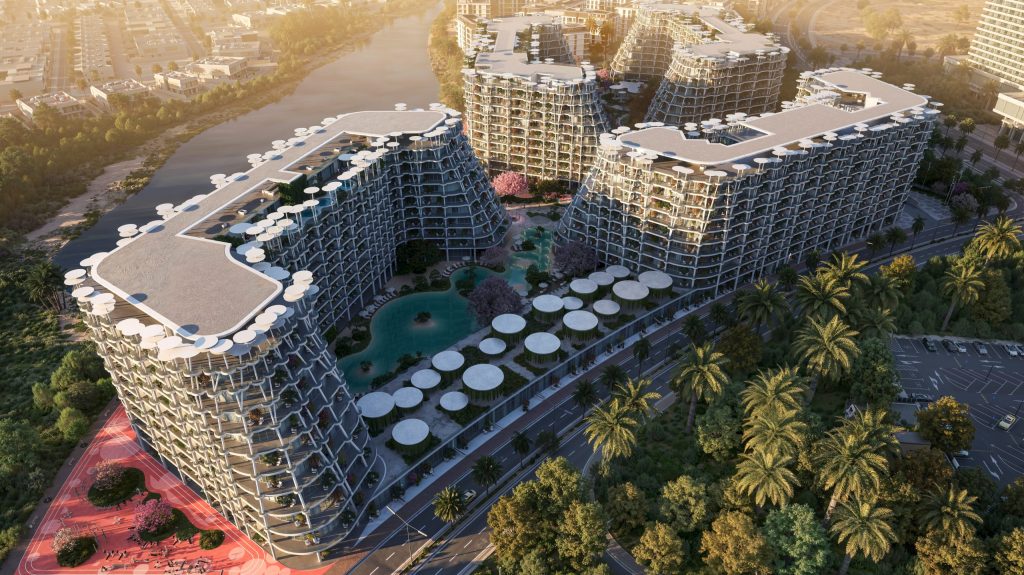
In the UAE, speed is everywhere, but clarity is what truly matters. As President His Highness Sheikh Mohamed Bin Zayed Al Nahyan once said, “The future belongs to those who can imagine it, design it, and execute it.” This philosophy lies at the heart of the UAE’s development and guides those shaping its cities.
After years in the UAE’s construction sector, I’ve realized that the market’s uniqueness isn’t in rapid project completions, but in laying thoughtful foundations. Growth is driven by vision, reinforced by regulation, and sustained through long-term planning. Real estate contributes roughly 7 to 8 percent of the UAE’s GDP—a strong figure even amid global uncertainties. This stability stems from a system that rewards credibility and discipline over speculation.
Unlike markets that react under pressure, the UAE prioritizes proactive planning. Infrastructure, zoning, transport networks, and regulatory frameworks are established in advance, allowing developers to focus on long-term performance rather than immediate launches. This mindset has reshaped my responsibilities as a chairman.
Today’s buyers value livability, ongoing maintenance, and community design over short-term gains, with more than 60 percent emphasizing these factors in their purchasing decisions. Trust is earned through consistency, not promises.
After years in the UAE’s construction sector, I’ve learned that what makes this market unique is not rapid project completions, but the careful laying of foundations.
— Mohamed Adib Hijazi, Chairman, HRE
During our first major handover, I realized that this milestone was not the end of a project, but the beginning of true accountability.
Once residents move in, the real test begins. Their daily experiences reveal whether the discipline we upheld during construction truly endures. The UAE’s mature regulatory environment—characterized by escrow structures and transparency requirements—ensures that shortcuts are quickly exposed, while diligent practices lead to lasting success.
As His Highness Sheikh Mohammed Bin Rashid Al Maktoum, Vice-President and Prime Minister of the UAE and Ruler of Dubai, reminds us: “In the race for excellence, there is no finish line.”
This principle is central to development; standards must extend beyond handover, into operations and the life of the community.
A key lesson from the UAE is the alignment of public vision with private responsibility. Significant investments in infrastructure and sustainability guide developers to create well-functioning, enduring cities. This careful, long-term approach fosters trust and builds cohesive communities.
The UAE’s story is often told through scale, but it is discipline that truly defines it. Cities are shaped by intention, accountability, and an unwavering commitment to excellence. As developers, we do more than meet demand—we create environments that will shape lives for decades. The UAE has taught me that this responsibility demands seriousness, humility, and a steadfast, long-term commitment to raising the standard.

