

Why married women observe a waterless fast until moonrise, and when to expect the moon in the UAE.
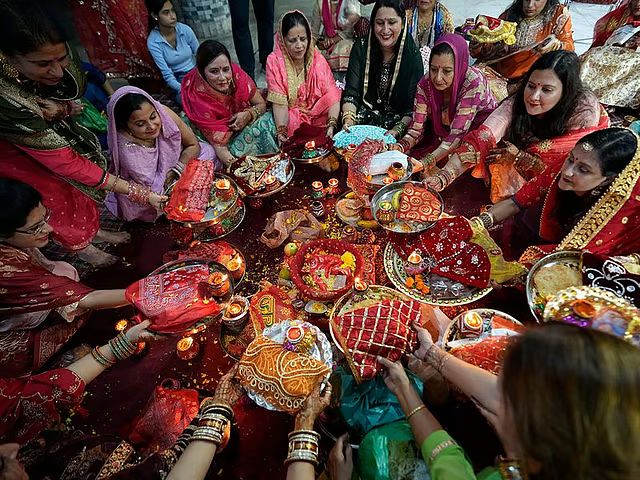
Dubai: If you see women dressed in bright traditional outfits, their hands decorated with fresh mehndi, waiting on balconies and rooftops with a sieve in hand this evening, they are likely observing Karva Chauth.
The festival falls on Thursday, October 29. Married Hindu women, particularly those from North India, observe a fast from sunrise until moonrise, praying for their husbands’ long life, health and wellbeing.
Here is a look at the significance of the festival, how the rituals are performed and when the moon is expected to rise in the UAE.
What is Karva Chauth?
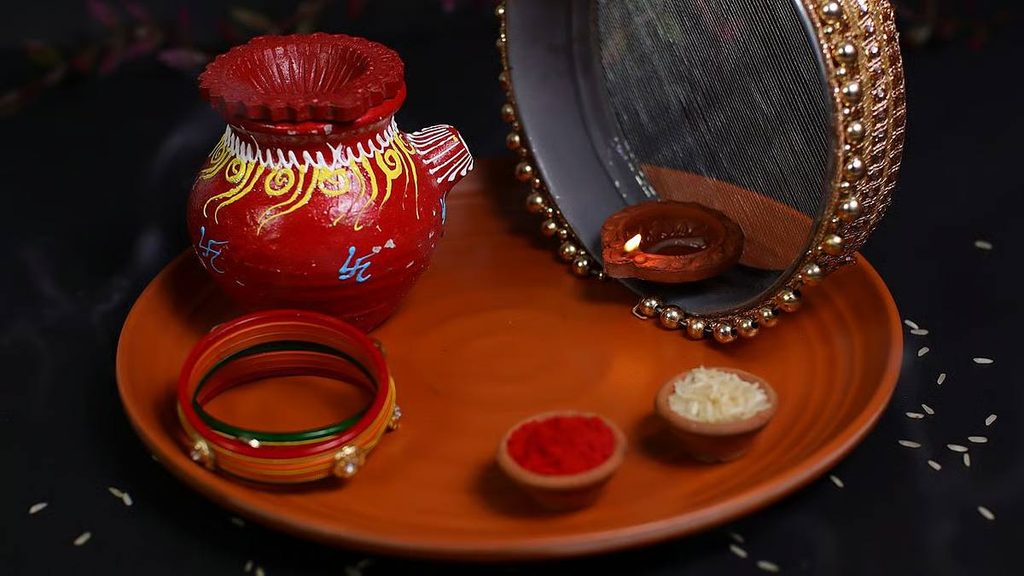
The name Karva Chauth is derived from two words. Karva, also spelt karwa or karak, refers to an earthen pot, while chauth means the fourth day.
According to Drik Panchang, the fast is observed on Krishna Paksha Chaturthi, the fourth day of the waning moon in the Hindu month of Kartik. The karva pot is used to offer water to the moon and is also presented as a gift during the rituals. The festival is therefore also known as Karak Chaturthi.
Karva Chauth falls about 10 days before Diwali, which is being celebrated on Sunday, November 8, this year.
Karva Chauth is widely observed across North Indian states, including Punjab, Haryana, Rajasthan and Uttar Pradesh. A similar fasting tradition, known as Atla Tadde, is followed by married women in Andhra Pradesh.
A fast without water
Karva Chauth is traditionally observed as a nirjala fast, meaning women abstain from both food and water from sunrise until they see the moon in the evening.
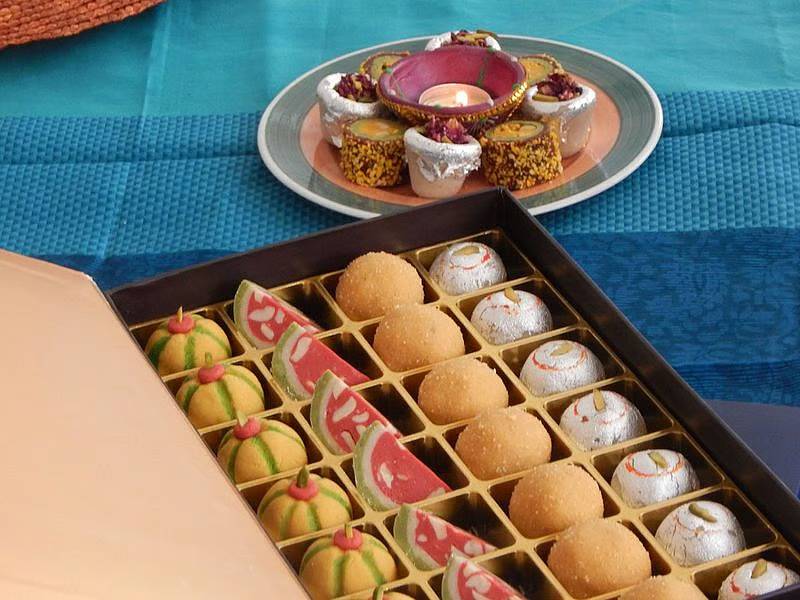
The day begins before dawn with sargi, a pre-dawn meal traditionally prepared by the mother-in-law. It typically includes fruit, dried fruits, sweets and savoury dishes to help women sustain themselves throughout the day.
As Sweety Burman explained in an interview in 2021, the day begins with sargi, while the fast is broken at night after women view the moon through a Karva Chauth channi, or sieve.
Dressing up and the evening puja
Women dress in festive attire, often choosing red outfits or traditional bridal wear. Many also observe solah shringar, the 16 traditional adornments associated with married women, including mehndi, bangles and sindoor.
In the evening, women gather for the puja, worshipping Chauth Mata, Lord Shiva and his family, including Lord Ganesha. They sit in a circle, pass around decorated puja thalis and listen to the vrat katha, the traditional story associated with the fast.
These customs are also observed by Hindu communities across the UAE, where families continue to celebrate the festival away from India.
The story of Veeravati
One of the most widely told legends associated with Karva Chauth centres on Veeravati, a queen who was the only sister among seven brothers.
According to a popular version of the story, Veeravati observed her first Karva Chauth fast at her parents’ home. As the hours passed, she became weak from hunger and thirst. Unable to bear seeing their sister suffer, her brothers created the illusion of a rising moon, prompting her to break her fast.
Shortly afterwards, she learnt that her husband had died. Devastated, she discovered that her brothers had deceived her. Through her devotion and by observing the fast again, she was eventually able to bring her husband back to life.
The sieve and the moon
The most distinctive ritual of Karva Chauth takes place after moonrise.
Women view the moon through a sieve, often holding a lit diya on their puja thali, and offer water to it using the karva pot. They then look at their husbands through the same sieve.
Traditionally, the husband offers his wife the first sip of water and the first bite of food, marking the end of her fast.
For many women, the ritual is also a symbolic expression of love, devotion and commitment.
Karva Chauth timings in the UAE today
According to Drik Panchang, the timings for Karva Chauth in Dubai are:
Fasting time: 6.25am to 8.29pm
Puja muhurat: 5.41pm to 6.57pm
Moonrise: 8.29pm
The Chaturthi tithi began at 11.36pm on Wednesday, October 28, and ends at 8.39pm on Thursday, October 29. Moonrise timings may vary slightly across the UAE’s emirates.

