

Dh1 now fetches Rs26 as Indian rupee hits record low.
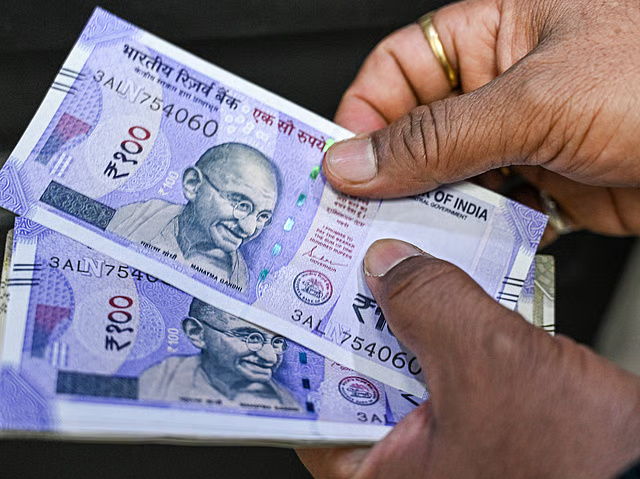
Dubai: The Indian rupee has slipped to a record low against the UAE dirham, with Dh1 fetching around Rs26, giving UAE-based Indian remitters one of their strongest exchange-rate opportunities in recent weeks.
At this rate, a Dh10,000 transfer would convert to roughly Rs260,000, before exchange-house fees, margins and other charges. The rupee’s weakness comes amid pressure from elevated oil prices and broader global market uncertainty, although the Reserve Bank of India has been intervening to limit excessive currency volatility.
The rupee weakened to around Rs26 per Dh1 on Monday, from Rs25.94 a day earlier, as higher oil prices, foreign investor outflows and continued demand for US dollars put pressure on the currency. Recent trading data also shows the rupee remaining under pressure from elevated oil prices, although intervention by the Reserve Bank of India has helped limit further losses.
For UAE residents sending money to India, the weaker rupee means Dh10,000 would convert to roughly Rs260,000 at a rate of about 26 per dirham, before transfer fees and exchange-house margins. Live market data on August 24 puts the rate at around Rs26.04 per Dh1.
However, the rupee’s weakness also reflects broader pressure on India’s external accounts, particularly the country’s exposure to higher oil import costs and shifts in foreign capital flows. Elevated oil prices increase demand for dollars to pay for imports, while changes in foreign investment can affect the supply of dollars in the domestic market.
Rupee’s 30-day journey
The rupee has weakened against the UAE dirham over the past month, although the decline has not been consistent.
On July 26, Dh1 was worth Rs26.16. The rupee then strengthened, with the rate reaching Rs25.86 at the start of August and a recent low of Rs25.79 between August 5 and 9.
The currency subsequently lost ground, weakening to Rs25.97 on August 19 before reaching Rs26 on August 24.
At the latest rate, Dh1 buys 16 paise fewer rupees than it did on July 26, showing that the rupee has not weakened continuously over the full 30-day period. However, compared with the recent August low of Rs25.79, UAE remitters are now getting 21 paise more for every dirham. The rupee remains under pressure from elevated oil prices and dollar demand, although intervention by the Reserve Bank of India has helped limit volatility.
For remitters, the recent move is significant: Dh10,000 sent at Rs26 per dirham would yield about Rs2,600 more than if the exchange rate were Rs25.74, before fees and provider margins.
The rupee remains under pressure from elevated oil prices, foreign capital flows and demand for US dollars. Higher oil costs are particularly important for India because the country relies heavily on imported crude, increasing its dollar requirements when energy prices rise. The Reserve Bank of India has been intervening to limit excessive currency volatility.
What it means for UAE remitters
For Indian expatriates in the UAE, a weaker rupee is generally favourable when sending money home because each dirham converts into more rupees.
However, the headline exchange rate is only part of the calculation. Regular remitters should compare the final rupee payout offered by different transfer providers after exchange-rate spreads, fees and other charges. A slightly better headline rate can sometimes be offset by higher transaction costs.
Other currencies
The Philippine peso edged up to 16.74 per dirham, from 16.72 a day earlier. The Pakistani rupee was unchanged at 75.65 per dirham, while the Bangladeshi taka held steady at 33.20. Recent UAE exchange-rate listings show broadly similar levels for these currencies.
The Sri Lankan rupee strengthened slightly, with Dh1 buying 89.38 rupees, compared with 89.57 previously. The Nepalese rupee was unchanged at 41.60, while the Egyptian pound remained at 13.65 per dirham.
The British pound was quoted at 0.19 per dirham, unchanged from the previous day.
Exchange-house rates can vary from indicative or mid-market rates because of spreads, fees and transaction conditions.
For UAE remitters, the broader picture is therefore mixed: while the Indian rupee has weakened to the Rs26-per-dirham mark, several other major South Asian currencies tracked here have remained broadly stable against the UAE dirham. The latest move in the rupee comes as elevated oil prices and dollar demand continue to weigh on the currency, although Reserve Bank of India intervention has helped limit volatility.

