

Strait of Hormuz disruption, rial plunge and UAE-Iran trade halt deepen regional uncertainty.
Tensions between the US and Iran continue to affect travel, trade and shipping across the Gulf.
There were no confirmed new exchanges of fire as of Monday, while diplomatic and economic pressure continued to build.
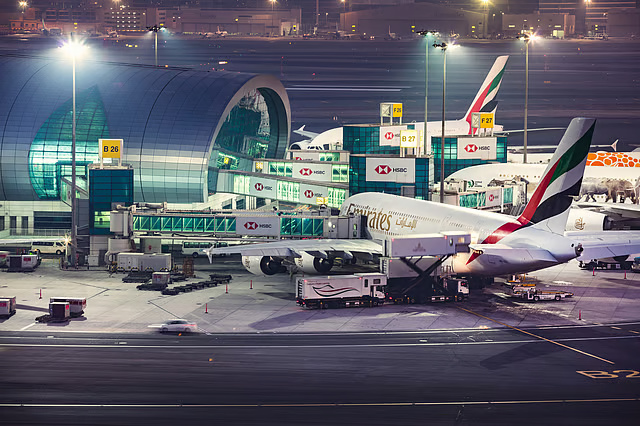
For UAE travellers, the aviation picture remains mixed, with some Bahrain and Kuwait services cancelled or delayed while other flights continue to operate. Airlines are advising passengers to check flight status before heading to the airport.
Meanwhile, Iran has continued to issue warnings over shipping through the Strait of Hormuz as Washington prepares additional sanctions. Maritime traffic through the strategic waterway remains sharply below normal levels, adding to uncertainty for regional shipping, energy supplies and trade.
Iran’s currency has also plunged to a record low, with the US dollar surpassing 2 million rials on the open market. The sharp decline highlights the mounting economic pressure on Tehran as Iran braces for additional US sanctions.
Here are the latest developments:
- UAE flights: Emirates cancelled two Dubai-Bahrain services, EK835 and EK837, while EK839 was scheduled to operate. Dubai-Kuwait services were also scheduled. Etihad’s Abu Dhabi-Bahrain and Abu Dhabi-Kuwait flights were largely operating, while flydubai continued services to Kuwait, Bahrain and Saudi Arabia, although flight FZ8504 to Bahrain was cancelled. Air Arabia also reported cancellations and pending departures on some UAE-Kuwait-Bahrain routes. Passengers are advised to check directly with their airline before heading to the airport.
- Hormuz disruption: Iran says it will keep the Strait of Hormuz closed until the US lifts its sanctions and naval blockade, adding to uncertainty around commercial shipping through one of the world’s most important oil transit routes. US forces have redirected 70 vessels amid the blockade, disabled three and boarded two, according to CENTCOM, which said the actions were taken to ensure compliance.
- New sanctions expected: Washington is expected to announce additional sanctions on Monday. US Treasury Secretary Scott Bessent has described the planned measures as the “toughest sanctions in history.”
- Iran seeks workarounds: Tehran is pursuing closer regional security ties and alternative trade arrangements as it looks to reduce the impact of US sanctions and restrictions on finance and shipping.
- Rial hits historic low: The US dollar has crossed 200,000 tomans — equivalent to 2 million rials — on Iran’s open market, adding to pressure on import costs, inflation and household purchasing power.
- Fuel-smuggling scrutiny: A senior Iranian official has alleged that politically connected figures are involved in fuel-smuggling networks, as Tehran faces mounting economic pressure, rising prices and concerns over possible unrest.
- Drone-defence race: The conflict is driving interest in low-cost counter-drone technology, including systems described as “$5,000 drone killers”, as militaries seek cheaper ways to counter relatively inexpensive one-way attack drones.
- Direct threats to Gulf states: Iran’s newly appointed national security adviser, Mohsen Rezaie, warned Gulf states that continued participation in US sanctions could be considered “an act of war”. He also threatened that oil exports through the Strait of Hormuz and the wider Gulf could be halted if economic pressure continues.
- New maritime restrictions: The Iran Gulf Strait Authority has introduced new rules governing shipping traffic. Vessels that violate Iranian protocols or interact with blacklisted ships could face fines, detention, seizure or placement on a “non-compliant vessels” blacklist.
- Corruption and fuel smuggling: Senior Iranian energy official Esmail Saqab Esfahani said politically connected figures across major political factions are involved in large-scale fuel-smuggling networks, allegedly diverting 20 million to 30 million litres of subsidised fuel each day.
- Warnings of unrest: Leaked reports from an IRGC-Basij meeting, along with public warnings from former Economy Minister Ehsan Khandoozi, suggest Iranian authorities are preparing for possible domestic unrest amid hyperinflation and rising prices in the coming months.
- Economic pressure: The Iranian rial has fallen to a record low, with the dollar reaching around 2 million rials on the open market.
Strait of Hormuz status and security operations
- Iran’s control under pressure: Despite Iran’s ability to disrupt shipping, vessel traffic through a US-backed southern corridor has reportedly increased sharply over the past two weeks, reaching nearly 200 ships a week and suggesting Tehran’s ability to restrict global energy flows may be weakening.
- US military actions: US forces have redirected dozens of vessels to facilitate transit through the region, while low-cost counter-drone systems are being deployed as part of broader measures against asymmetric threats.
- Trade and financial halt: Amid the wider maritime and security tensions, the UAE has suspended commercial activity, trade exchanges and financial transactions with Iran.
- High defence alert: UAE air defences remain on high alert and prepared to respond to potential threats entering the country’s territorial airspace or waters. Residents are advised to follow official civil defence guidance and avoid sharing or relying on unverified security reports.

