

Record 400-million-barrel oil release aims to stabilise markets as Gulf supply concerns mount.
Dubai: Global oil markets are facing pressure as Middle East tensions disrupt shipments and threaten supply routes. In response, the International Energy Agency has announced a move to help stabilise prices.
The International Energy Agency (IEA) announced it will release 400 million barrels of oil from emergency reserves, marking the largest coordinated release in its history. The decision, made by its 32 member countries, aims to offset disruptions to global energy supplies.
Why oil prices surged
Oil prices spike when markets fear supply shortages. Recent tensions in the region have disrupted oil flows from the Gulf, as Iran has targeted shipping and energy infrastructure, effectively halting cargo traffic through the Strait of Hormuz.
About one-fifth of the world’s oil shipments normally pass through the narrow waterway connecting the Arabian Gulf to the Indian Ocean. According to the IEA, exports of crude and refined products from the region have fallen to less than 10% of pre-war levels.
When supply drops so sharply, traders anticipate shortages, driving prices higher as buyers compete for limited oil.
Releasing reserves helps calm markets
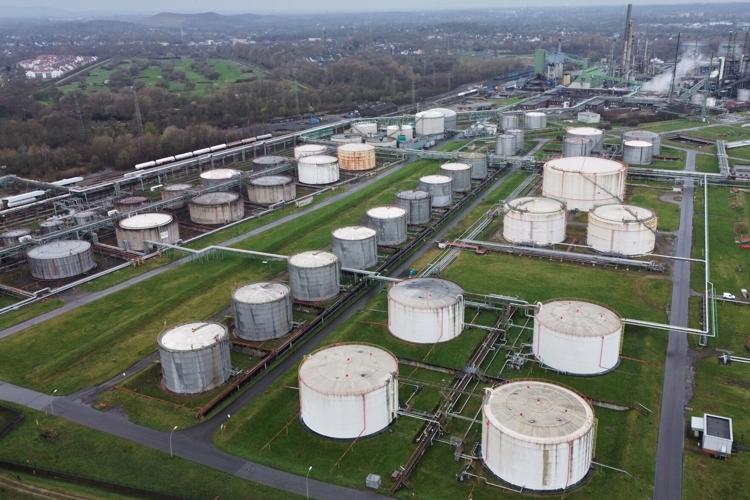
Emergency oil reserves serve as a backup supply for the global energy system. IEA member countries collectively hold over 1.2 billion barrels of government oil reserves, along with an additional 600 million barrels of industry stocks held under government obligations.
Releasing oil from these reserves increases supply in the market, which can lead to:
- Lower risk of shortages
- Reduced panic buying in energy markets
- Less pressure on crude prices
Even before the oil physically reaches the market, the announcement alone can reassure traders, signaling that governments are ready to step in.
Release is unusually large
The planned release of 400 million barrels marks the largest coordinated action in IEA history. The previous record was 182.7 million barrels, released in 2022 after Russia’s invasion of Ukraine disrupted global energy supplies. The scale of the current release reflects the severity of disruptions facing global oil markets.
Countries begin releasing oil reserves
Several nations have already started implementing the plan:
- Germany and Austria announced they will release portions of their national reserves.
- Japan said it will begin releasing part of its oil reserves starting Monday.
Energy ministers from the Group of Seven (G7) industrialised nations expressed their support for using strategic reserves to address the current energy situation.
Impact on people everywhere
Impact on people everywhere
Oil is a globally traded commodity, so supply disruptions push prices higher and affect consumers worldwide. Stabilising oil prices helps:
- Reduce volatility in global fuel markets
- Limit spikes in petrol and diesel prices
- Ensure a stable energy supply for businesses and transport
For energy-producing regions like the Gulf, stabilising markets also helps maintain confidence in global energy trade routes and supply chains.
The IEA created its emergency oil reserve system in 1974, following the Arab oil embargo that triggered a global energy crisis. Since then, the reserves have been used during major disruptions, including the wars in Iraq and Libya and the energy shock after Russia’s invasion of Ukraine.
The current release is intended to serve the same purpose: increasing supply to global markets and helping bring prices back toward more stable levels.

